
 0
0
 0
0
New Cars Kept Selling in 2025, Just Not to Everyday Buyers
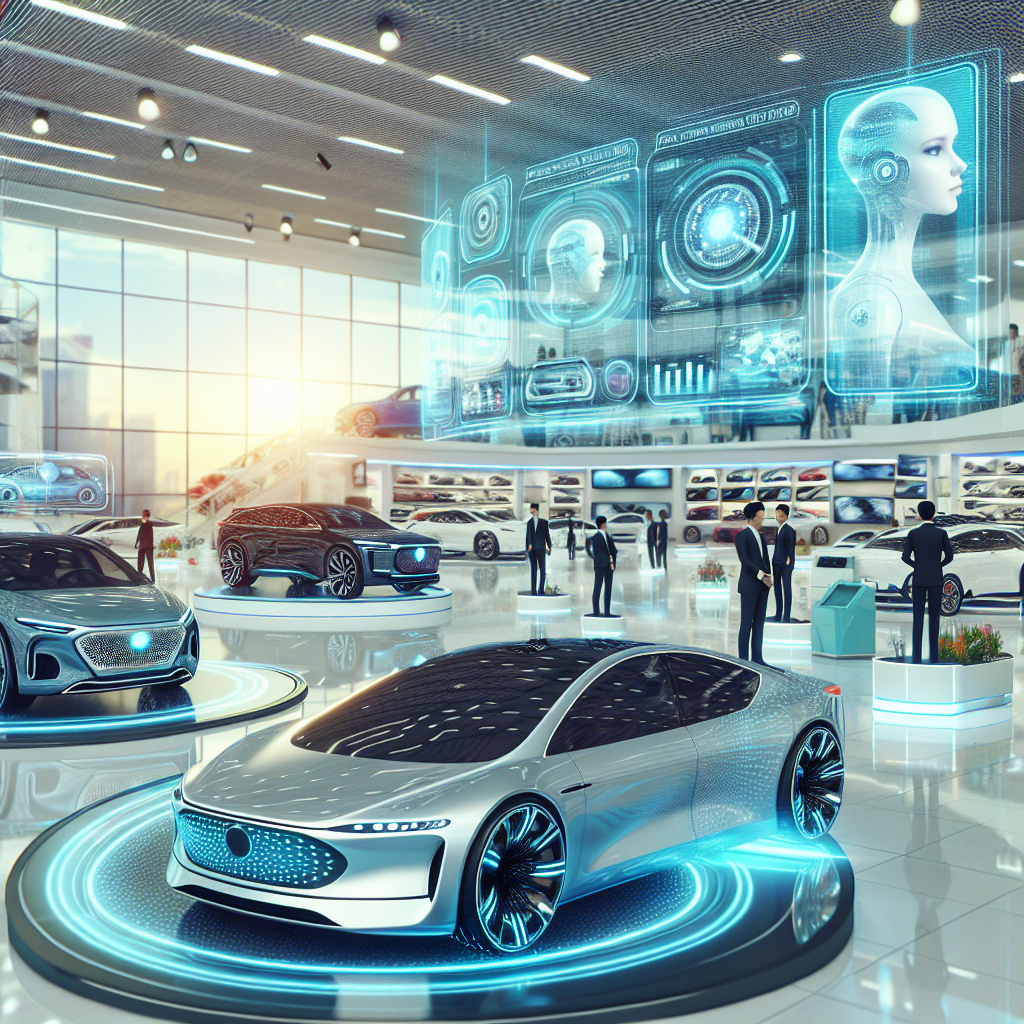
In a surprising turn of events, the automotive market in 2025 showed a steady momentum in car sales, but with a twist: vehicles were increasingly purchased by corporations and wealthier individuals, leaving everyday buyers on the sidelines. This development challenges the notion of accessibility in an economy where rapid innovation and change often overlap with social disparities.
As manufacturers rolled out their latest models, their focus seemed to shift towards premium offerings, designed to meet the demands of a more affluent clientele. High-end features, advanced technology, and enhanced performance appealed to enterprises looking to enhance their fleet or affluent buyers desiring the latest luxury car. However, this move came at the expense of the average consumer, who grappled with rising prices and supply chain challenges.
Transitioning to the examination of societal impacts, one must reflect on the teachings of fairness and empathy found in biblical principles. Jesus taught compassion and the importance of caring for the less fortunate. In Luke 12:15, He cautions, “Watch out! Be on your guard against all kinds of greed; life does not consist in an abundance of possessions.” This verse resonates profoundly amid a marketplace where the wealth gap can dictate who has access to essential goods—from cars to opportunities.
The implications of this trend extend beyond mere statistics. They reflect a broader conversation about the moral responsibilities of businesses and consumers alike. The automotive industry, like many others, thrives on innovation, yet it must also prioritize accessibility and compassion for all. As we reflect on this evolving market landscape, it becomes vital to ask: How can businesses balance profit with principles that uplift communities?
In light of these developments, it’s encouraging to see initiatives aimed at increasing inclusivity within the automotive sector. Several brands are beginning to explore more affordable options and sustainable practices, acknowledging the need to cater to a more diverse consumer base. The love and care we extend to others can reshape our communal landscape.
As this narrative unfolds, consider your role in this ecosystem. The fluctuations in car sales are not just numbers; they signify choices that impact lives. May we aspire to create an environment where kindness and generosity flourish, echoing the moral compass that Jesus exemplified during His time on Earth.
Ultimately, the situation invites us to reflect on our values and actions in a market that often worships material wealth. How can we embody biblical principles of equity and compassion in our daily lives? Let’s strive to bridge the gap, ensuring that everyone has the opportunity to thrive.
If you want to want to know more about this topic, check out BGodInspired.com or check out specific products/content we’ve created to answer the question at BGodInspired Solutions



![Watch The 2025 Rock & Roll Hall Of Fame Induction Ceremony's Live Performances [Videos] - Live For Live Music](https://bgodinspired.com/wp-content/uploads/2026/01/1767672633-300x300.png "Watch The 2025 Rock & Roll Hall Of Fame Induction Ceremony's Live Performances [Videos] - Live For Live Music")
