 0
0
 0
0
Israel’s Recognition of Somaliland Sparks International Controversy
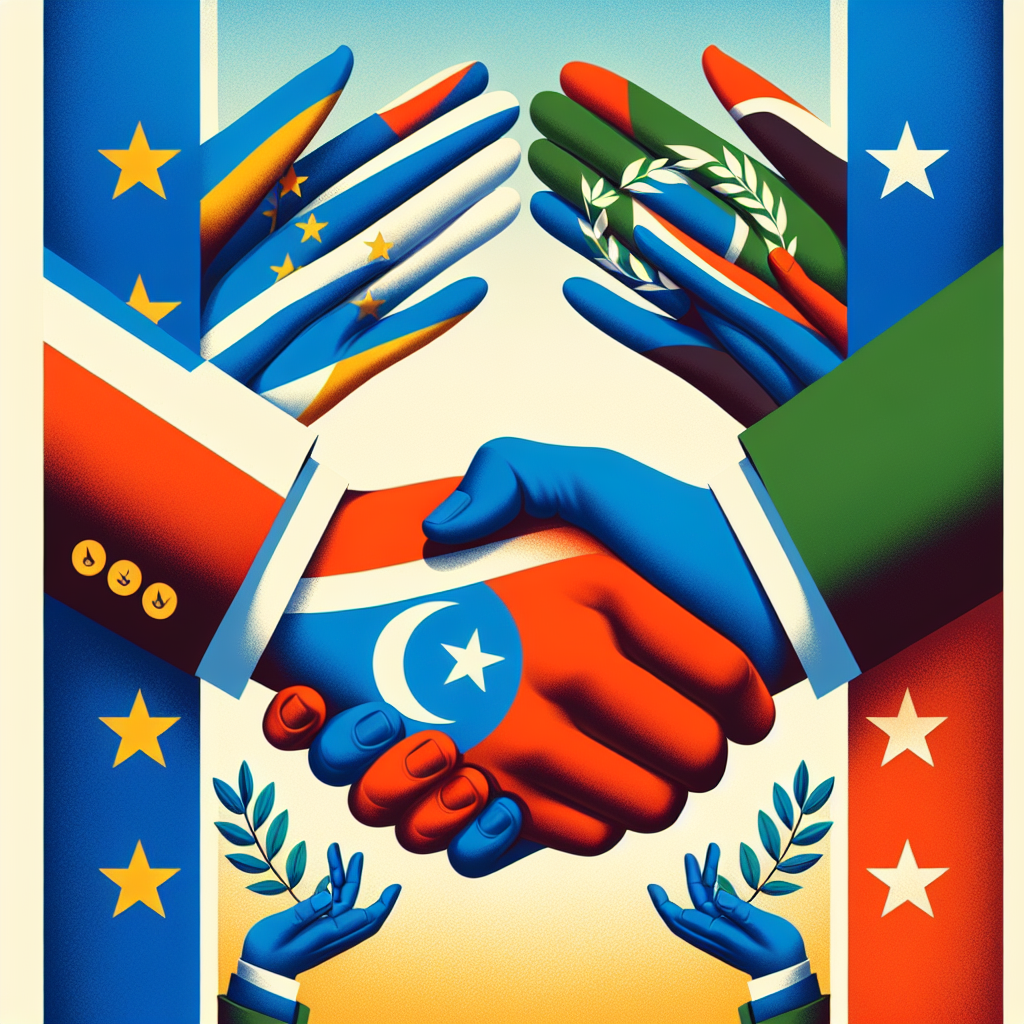
In a historic move, Israel has become the first country to formally recognize Somaliland as an independent state, igniting significant international backlash and raising questions about the future of territorial integrity in the Horn of Africa. The European Union (EU) swiftly called for the protection of Somalia’s sovereignty, emphasizing the need for dialogue amid escalating tensions.
EU’s Firm Stance
On Saturday, EU foreign affairs spokesman Anouar El Anouni reaffirmed the bloc’s commitment to upholding the "unity, sovereignty, and territorial integrity" of Somalia. He stated, “This is key for the peace and stability of the entire Horn of Africa region,” suggesting that unilateral actions could destabilize an already fragile area. The EU stressed the importance of meaningful discussions between Somaliland and the Federal Government of Somalia to resolve longstanding disputes.
Somalia’s Outrage and the Broader Reactions
The Somali government reacted vehemently to Israel’s announcement, labelling it an act of “illegal aggression.” Officials in Mogadishu have vowed to pursue diplomatic and legal avenues to counter what they describe as a direct attack on Somalia’s sovereignty. President Hassan Sheikh Mohamud accused Israel of violating international norms, asserting that Somaliland remains a crucial part of Somalia.
Countries across Africa and the Middle East swiftly denounced Israel’s decision, including Egypt, Turkey, and Djibouti, who warned that recognition risks destabilizing the region. The African Union and East African bloc IGAD reiterated that Somalia’s borders are internationally recognized and cannot be changed without consent.
In this context, the challenge of sovereignty and territorial integrity mirrors the biblical principles of justice and peace that are often woven into matters of community and governance. As Proverbs 29:2 states, “When the righteous thrive, the people rejoice; when the wicked rule, the people groan.” This verse serves as a reminder that justice is essential for harmony among nations.
Israel’s Strategic Move
Israel has framed its recognition of Somaliland within the broader context of expanding partnerships formed through the Abraham Accords, which have aimed to establish diplomatic and economic connections with several Arab and Muslim-majority nations since 2020. Somaliland, which has operated as a functioning state since 1991, hopes this recognition will pave the way for breaking decades of diplomatic isolation.
A Call for Reflection
The unfolding situation serves as a poignant reminder of the delicate balance required for peace, cooperation, and respect for borders. As tensions rise, one cannot help but reflect on the biblical call to seek peace and pursue justice (Psalm 34:14). The events surrounding Somaliland’s bid for recognition encourage us to consider how we might work toward understanding and reconciliation in our communities and beyond.
Conclusion
For those observing this international narrative, there lies an invitation for reflection on the importance of unity and dialogue, not only in the geopolitical arena but in the personal relationships we cultivate daily. How can we embody the spirit of reconciliation in our interactions? As nations navigate these complex issues, may we be reminded of the enduring truth that our choices hold the potential to foster either division or peace in our global and local communities.
If you want to want to know more about this topic, check out BGodInspired.com or check out specific products/content we’ve created to answer the question at BGodInspired Solutions