 0
0
 0
0
The Surprising Link Between Nose Picking and Dementia: A Cautionary Study
A recent study has emerged highlighting a potential connection between the common habit of nose picking and an increased risk of dementia. Published in 2022, the research led by scientists from Griffith University in Australia presents a novel perspective on how minor actions could have significant health implications.
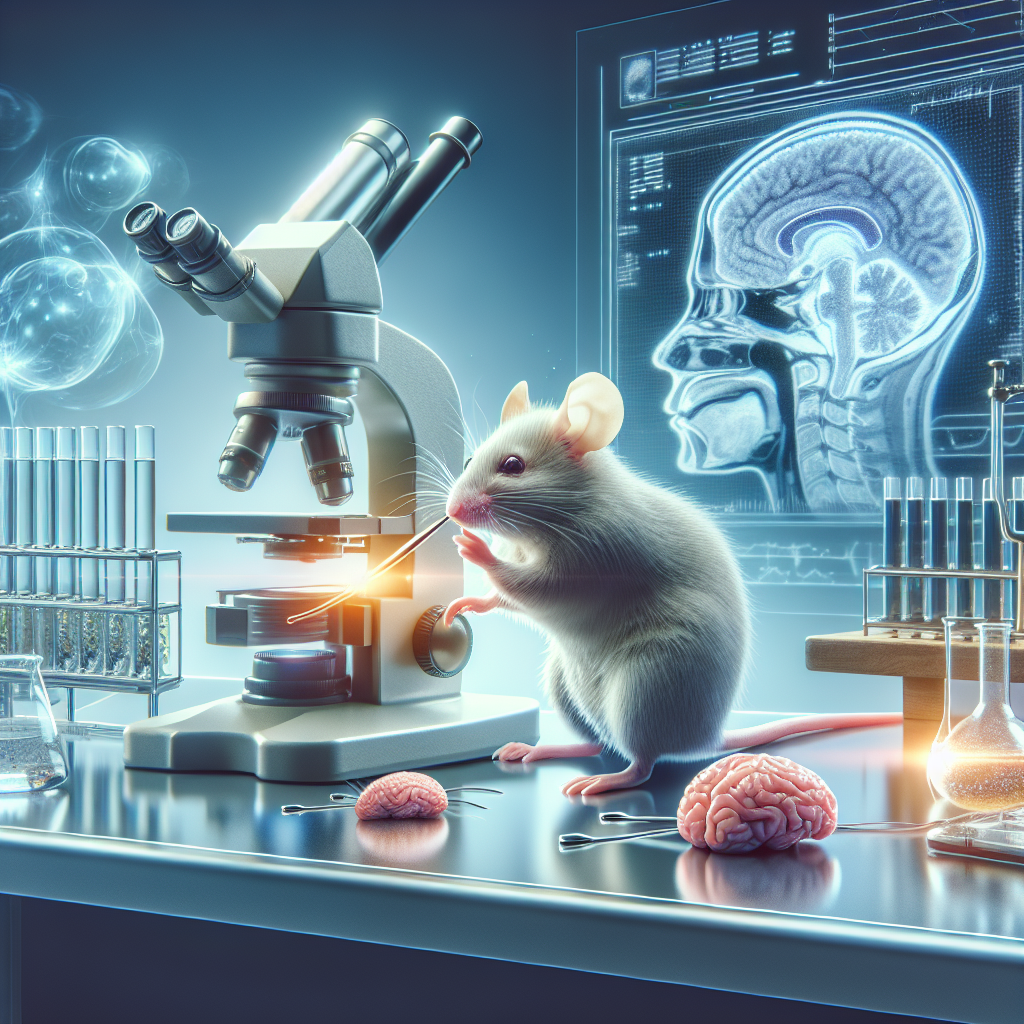
The study delves into the bacterium Chlamydia pneumoniae, which can infect humans and is found in a majority of brains affected by late-onset dementia. Researchers observed that when internal tissue damage occurs due to activities such as nose picking, these bacteria might gain easier access to the brain. This access could provoke responses that resemble those found in Alzheimer’s disease, making it critical for further investigation into the preventative measures we take regarding our health.
While the study was conducted on mice, it offers intriguing possibilities for future research into human health. This correlation raises fundamental questions about how our everyday actions can impact our well-being. After all, the Bible teaches us the importance of stewardship over our bodies. “Do you not know that your bodies are temples of the Holy Spirit, who is in you, whom you have received from God? You are not your own; you were bought at a price. Therefore honor God with your bodies” (1 Corinthians 6:19-20, NIV).
This verse highlights the profound truth that our actions—no matter how trivial—can have lasting effects not only on our physical health but also on our spiritual well-being. It urges believers to be mindful of their bodies and choices, linking everyday actions to broader spiritual principles.
Researchers have found that when the nasal epithelium suffers damage, the central nervous system can become vulnerable to infections. In the mouse models, this led to increased deposits of amyloid-beta protein, which is also found in significant concentrations in the brains of Alzheimer’s patients. The speed at which C. pneumoniae infiltrated the central nervous system—from 24 to 72 hours—offers a startling reminder that even seemingly innocuous habits can have ramifications we may not fully understand.
While the findings correlate with ominous implications for human health, it’s crucial to avoid jumping to conclusions. Future studies in humans will be necessary to confirm whether the findings hold true across species. However, the current data suggests a cautionary take: nose picking, a common habit practiced by many, could pose more risks than previously considered.
As encouraging as it is to explore the complexities of our physical health, the deeper lesson invites us to reflect on our daily choices in light of faith. Small habits, like neglecting to care for our bodies, can lead to greater consequences—a principle again echoed in scripture. “Whatever you do, do it all for the glory of God” (1 Corinthians 10:31, NIV). This encourages a mindset of intentional living that prioritizes long-term health and spiritual integrity.
In light of this study, individuals may wish to reconsider seemingly innocuous habits. Should we pause to reflect on how they might connect us to broader narratives about care and responsibility within a spiritual framework?
As we navigate our daily routines, it becomes vital to engage in healthy actions that honor our bodies and reflect our values. After all, a small choice today can pave the way for a healthier tomorrow—physically, spiritually, and mentally. Let us strive to embody the principle of stewardship in all facets of our lives, nurturing both our bodies and our spirits.
If you want to want to know more about this topic, check out BGodInspired.com or check out specific products/content we’ve created to answer the question at BGodInspired Solutions