 0
0
 0
0
Chimpanzees and Conservation: A Journey of Trust in Kibale National Park
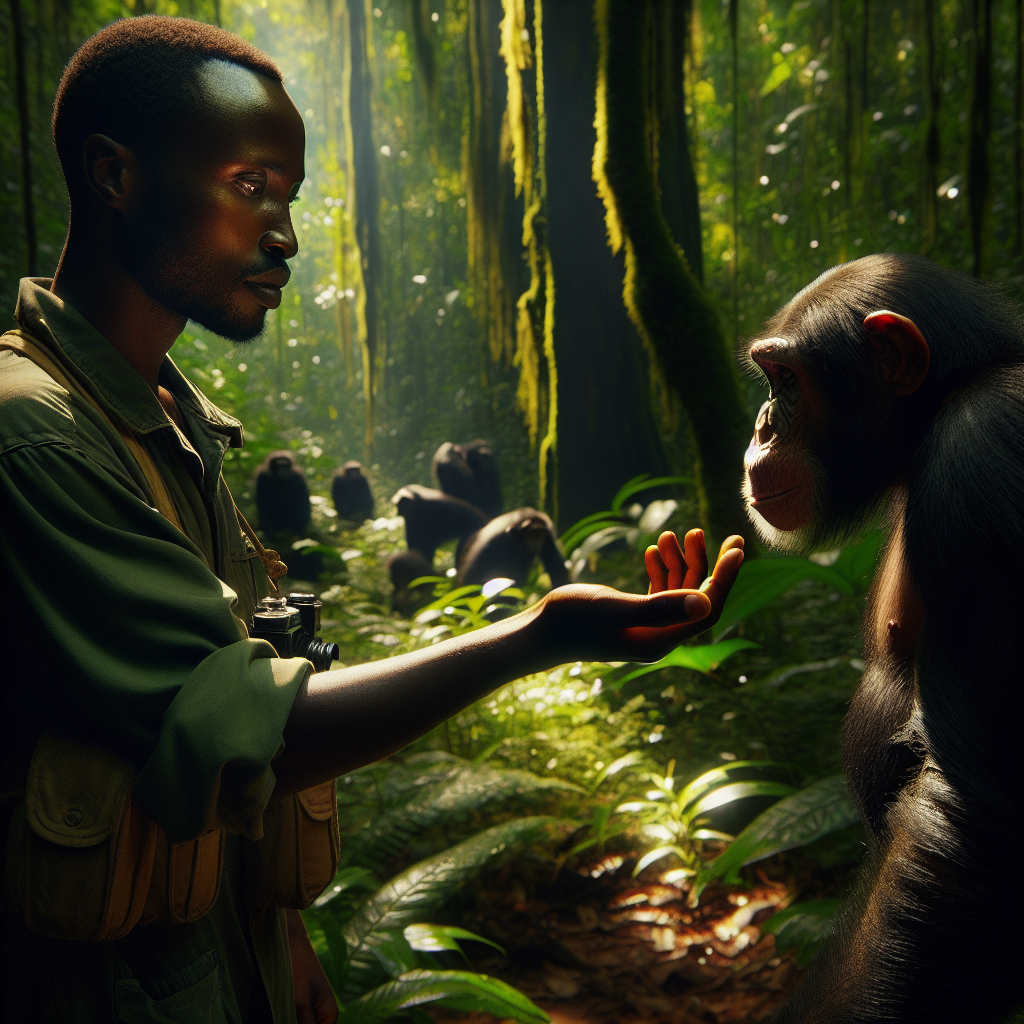
KIBALE NATIONAL PARK, Uganda (AP) — Deep within the verdant embrace of Kibale National Park, wildlife trackers stand at the forefront of an extraordinary conservation effort, seeking to establish a profound connection with chimpanzees. This initiative combines patience, commitment, and a reverence for life that mirrors enduring biblical values.
Onesmas Ainebyona, a dedicated ranger, exemplifies this mission. For four years, he has tracked the intimate movements of chimpanzees, earning the trust of an alpha male known as Jean. “The job requires patience,” Ainebyona shares, “and passion. You have to care.” His unwavering commitment reflects a biblical principle echoed in Galatians 6:9: "Let us not become weary in doing good, for at the proper time we will reap a harvest if we do not give up."
Ainebyona’s approach to habituating chimps necessitates understanding both the animals and their natural environment. This involves following their movements throughout the complex rainforest terrain, embodying a sense of responsibility that resonates with the call to stewardship found in Genesis 2:15—that humanity should cultivate and care for the earth. As Ainebyona observes chimp groups, he witnesses their complex behaviors and emotional responses, reminding us of the inherent value in all creation.
Kibale National Park, often termed the "primate capital of the world," displays rich biodiversity, underscoring the importance of healthy ecosystems. Catering to tourism, the park draws visitors who wish to encounter these magnificent creatures. However, to ensure safety for both chimps and humans, only groups of habituated chimps are available for observation—an intentional strategy that mirrors the teaching of Jesus, who often focused on building relationships based on understanding and trust.
The story of Jean resonates profoundly within this framework of conservation. The process of adaptation and mutual learning between habituators and chimps reflects Jesus’ teachings of love and community. Just as Jesus preached the importance of connection—whether with God or each other—Ainebyona’s relationship with Jean exemplifies the potential for empathy and understanding, even across species.
The collaboration ongoing in Kibale Park serves not only to ensure the chimps’ survival but also to draw attention to the expansiveness of God’s creation. For instance, tour guide Alex Turyatunga describes the decade-long patience required to fully habituate the Kisongi group, emphasizing that these efforts contribute richly to conservation and tourism.
Yet, even within this success, challenges remain. Jean, who suffered an injury from a wire snare, symbolizes the threats to wildlife, particularly from poaching and habitat loss. Such struggles remind us of the broader themes of compassion and advocacy found throughout the Bible, calling for action against injustices.
As this conservation story unfolds, it invites us to reflect not only on environmental stewardship but also on the deeper spiritual lesson of connection and care. Much like Ainebyona’s dedication to the chimps, we are called to nurture relationships and foster understanding within our own communities, echoing Christ’s command to love one another.
In a world that often feels fragmented, the efforts in Kibale National Park teach us that connection—rooted in love and responsibility—can yield a lasting impact. As we contemplate our roles as caretakers of both nature and one another, let us embrace the promise of transformation that comes through patience and love. After all, as stated in 1 John 4:19, "We love because he first loved us."
As you reflect on these principles, consider how embracing empathy and stewardship can play a role in your own life and community.
Explore and dig up answers yourself with our BGodInspired App. Be careful – each interaction is like a new treasure hunt… you can get lost for hours 🙂