 0
0
 0
0
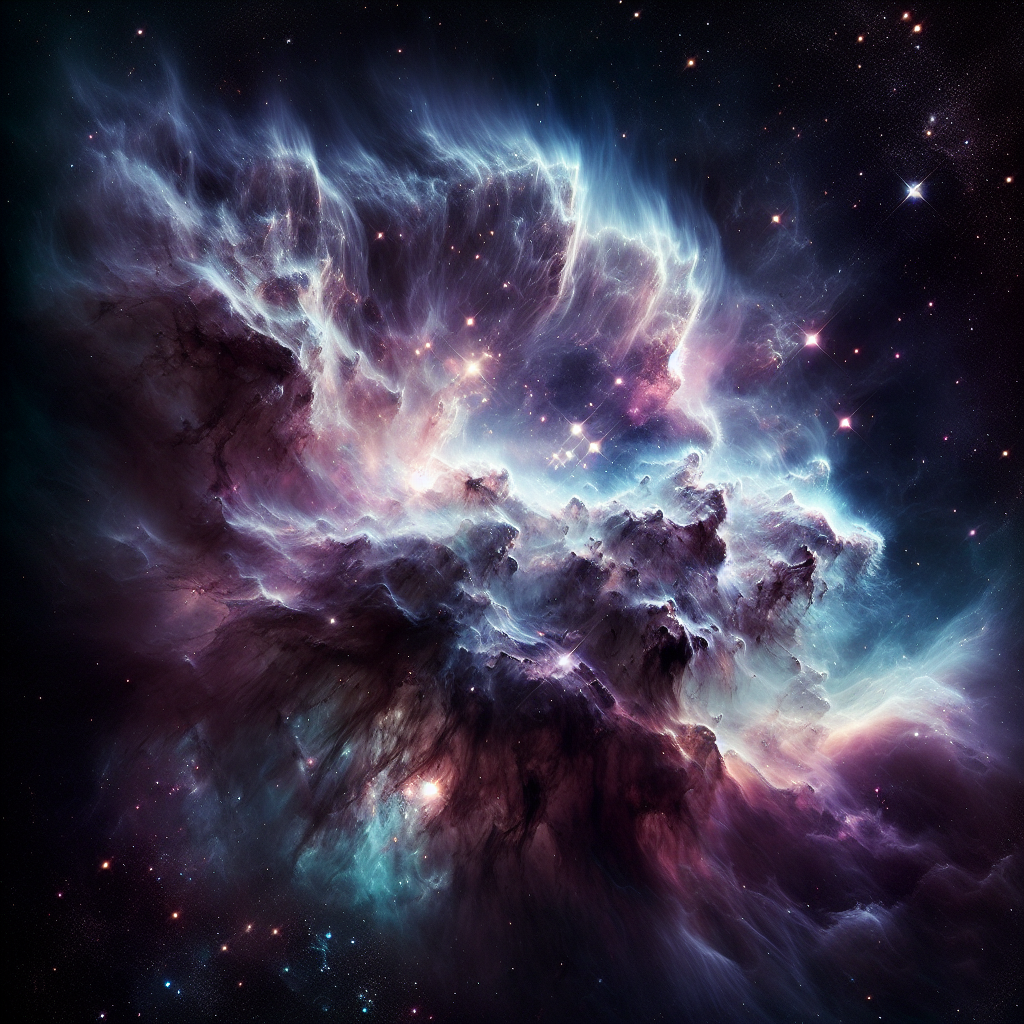
Euclid Space Telescope Captures Stunning Image of Star-Forming Nebula LDN 1641
In a groundbreaking achievement, the Euclid Space Telescope has unveiled a breathtaking image of the dark nebula LDN 1641, nestled within the Orion constellation. This cosmic cloud, a haven for newborn stars, was photographed with striking clarity, heralding a significant step forward in the telescope’s mission to explore the universe’s hidden marvels.
The Birthplace of Stars: LDN 1641 Unveiled
LDN 1641, located approximately 1,300 light-years from Earth, is cloaked in dust and mystery, serving as a stellar nursery brimming with young stars concealed behind thick interstellar gas. The recent observations by the Euclid Space Telescope showcased this active region in high resolution, revealing pockets of gas collapsing to birth new suns. These detailed insights into star formation echo a narrative that resonates with the timeless theme of creation found in Scripture.
How Euclid Captured This Cosmic Cloud
Capturing the exquisite image of LDN 1641 was no simple feat. The Euclid team leveraged this dim nebula for precise telescope calibration. As engineers navigated the early phases of the mission, LDN 1641 emerged as an ideal candidate, free from the interference of bright stars. Within just five hours, Euclid produced an image covering an area three times the size of the full moon, highlighting the telescope’s capacity for capturing vast regions of space and focusing on distant, faint objects.
This meticulous calibration process is reminiscent of the biblical call to seek understanding and wisdom. As Proverbs 2:6 reminds us, "For the Lord gives wisdom; from his mouth come knowledge and understanding.” This pursuit of knowledge about creation enriches our understanding of the divine.
A Key Moment for Euclid’s Mission
The successful imaging of LDN 1641 marks a pivotal moment for the Euclid Space Telescope. It confirms the telescope’s readiness for its next phase: a full-scale cosmic survey aimed at unlocking the mysteries of dark energy and the evolution of galaxies. This endeavor, akin to the biblical mandate to explore and understand creation, showcases the Christian appreciation for the wonders of the universe.
As Euclid continues its mission, it positions scientists to gather transformative data about the cosmos’ structure and history. This newfound clarity serves as a reminder of the beauty and complexity of creation, encouraging reflection on our place within it.
An Encouraging Takeaway
Just as the dark nebula LDN 1641 is a site of beauty and potential, so too are the hidden and often challenging aspects of life. In Matthew 5:14, we are reminded that we are “the light of the world,” called to shine brightly even in obscurity.
In contemplating this cosmic discovery, let us also reflect on the divine spark within us. The intricate processes of nature, like those revealed by the Euclid Space Telescope, beckon us to seek understanding and appreciation for the creation that surrounds us. As we look to the stars, may we find encouragement and inspiration to explore our own potential, knowing that every discovery brings us closer to understanding the Creator behind it all.
Explore and dig up answers yourself with our BGodInspired App. Be careful – each interaction is like a new treasure hunt… you can get lost for hours 🙂