 0
0
 0
0
Maryland’s “Eat Our Way Out” Strategy: Tackling Invasive Blue Catfish for Ecological Balance
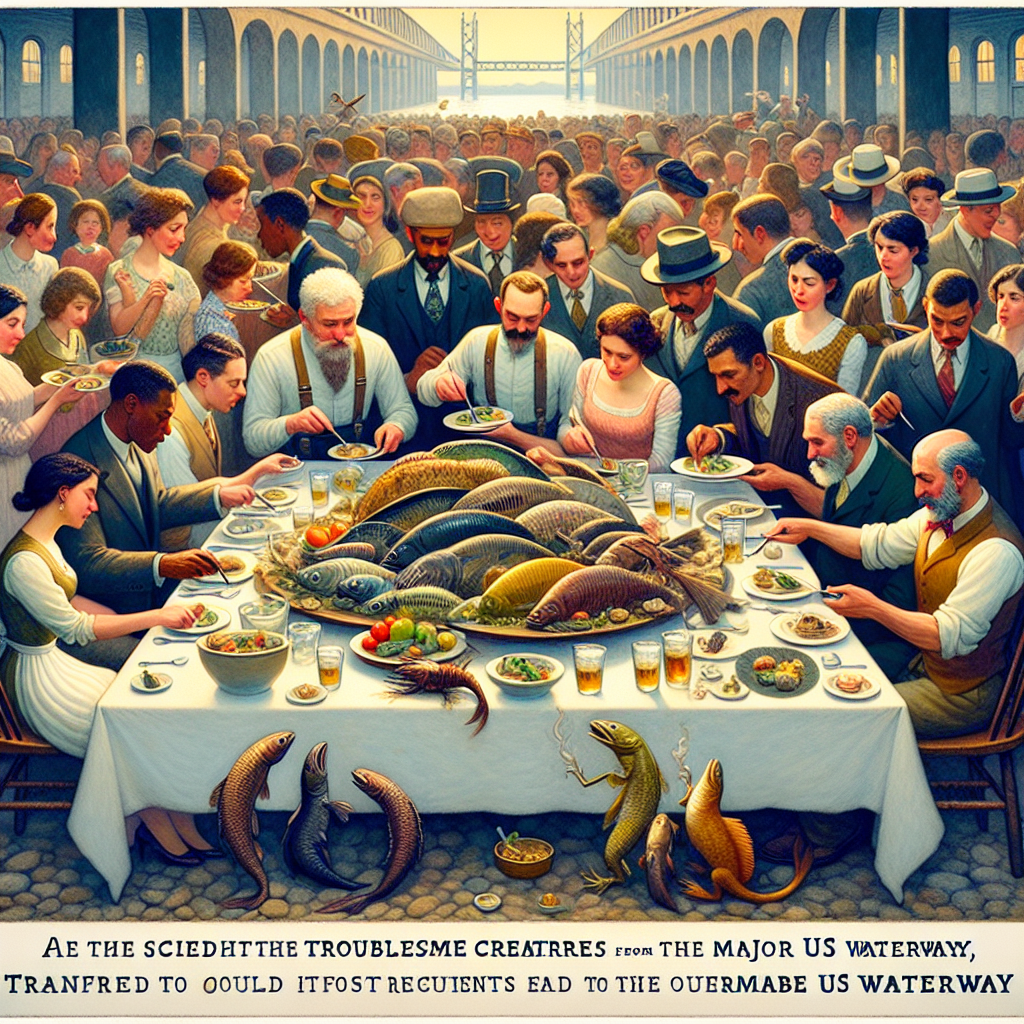
The blue catfish, a fish species that never belonged in the Chesapeake Bay, is causing significant ecological harm. But in taking a flavorful approach to this invasive species, Maryland locals are not just addressing an environmental concern; they’re also creating a culinary opportunity.
First introduced to Virginia’s James River in the 1970s as a trophy catch, blue catfish have now spread through the Bay, feasting on local species such as blue crabs, oysters, and rockfish. The Maryland state and federal officials are encouraging the public to help combat this issue by consuming the fish. As Senator Chris Van Hollen aptly described, this unique initiative is “a fascinating story with lots of subplots,” one that brings together policymakers, watermen, and chefs in a united front for a healthier Bay.
To support this effort, the U.S. Department of Agriculture has pledged $8 million towards expanding Maryland’s blue catfish industry. Six million of this funding is directed to enhance seafood processing, while $2 million aims to support school and food assistance programs that incorporate blue catfish into their meals.
Nick Hargrove, owner of Tilghman Island Seafood—Maryland’s only USDA-certified blue catfish processor—notes that his company processes around 20,000 pounds of the fish daily. This initiative not only supports local watermen but also provides jobs while serving a dual purpose: protecting native species and potentially restoring ecological balance. Hargrove emphasizes, “This business is proof that we can build an economy around a challenge that we all need to work together to address for the Bay we love.”
Invasive species can disrupt local ecosystems, affecting biodiversity and water quality. The plan in Maryland reflects an important principle: turning a challenge into a resource. In the face of rising global temperatures, which facilitate the spread of invasive species, local approaches like this become significant for both ecological health and community economy.
Notably, restaurants in Maryland are catching on to this movement. Establishments like Macky’s Bayside Bar & Grill in Ocean City have added blue catfish dishes, such as fried catfish tacos and po’ boys, to their menus, quickly becoming customer favorites. Nicole Gensoli from Highwater Management highlights the positive response, stating, “Guests rave about them in person and in online reviews.”
Reflecting on the biblical principle of stewardship found in Genesis 1:28, where God calls humanity to care for creation, this initiative serves as a reminder that taking responsibility for our environment can lead to positive solutions. The efforts in Maryland’s Chesapeake Bay can inspire individuals to think creatively about how they can also be responsible stewards in their local ecosystems.
In this context, it’s essential to remember Proverbs 27:17: “Iron sharpens iron, and one man sharpens another.” Community efforts like these demonstrate the power of collaboration and the importance of supporting one another in nurturing the world around us.
As we ponder this adventure of balancing ecological health and local economy through innovative culinary initiatives, we are invited to reflect on our own roles in preserving and caring for creation. What challenges can we turn into opportunities in our communities? Let us find ways to contribute positively, embodying the essence of stewardship and support for one another in the spirit of service.
Explore and dig up answers yourself with our BGodInspired App. Be careful – each interaction is like a new treasure hunt… you can get lost for hours 🙂