 0
0
 0
0
National Gallery Expands Its Vision: A £375 Million Project to Define Modern Art in Britain
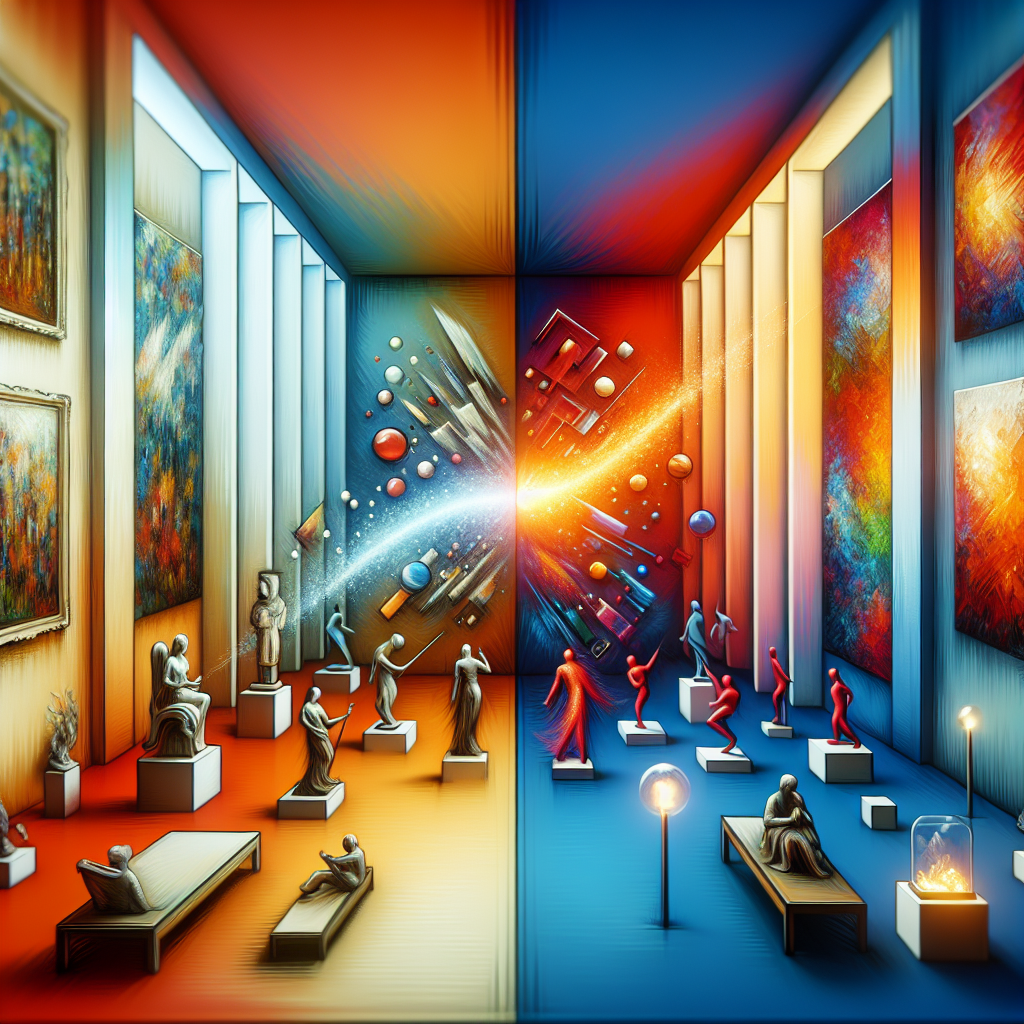
In a stunning announcement this week, the National Gallery has unveiled plans for a £375 million expansion to its historic site on Trafalgar Square, named "Project Domani." This ambitious initiative not only signifies a physical enlargement but also marks a profound shift in the narrative of British art, as the gallery opens its doors to works created after 1900—an area traditionally dominated by its neighbor, the Tate.
Director Gabriele Finaldi articulated the gallery’s vision, stating, “The story of painting is a continuum.” This juxtaposition of new and old could reshape the landscape of British art, challenging the long-standing boundaries that have defined each institution’s focus. Both the National Gallery and Tate have forged a historic partnership, aiming to collaboratively enrich the UK’s national art collection for the public’s benefit.
However, beneath this cooperative facade lies a competitive undercurrent. The National Gallery’s move may be perceived as a strategic play to consolidate its position as a leader in national visual art collections amid shifting public interests in the digital age. While the two institutions have previously enjoyed a somewhat separate legacy, this new effort raises critical questions about artistic stewardship: How should resources be allocated between historical and contemporary art, and what does it mean to honor both British and Foreign contributions within our collections?
The Tate, long associated with modern and contemporary narratives, has faced challenges in recent years, particularly with visitor numbers post-pandemic. Meanwhile, the National Gallery has consistently attracted audiences despite its more classical focus—drawing an undeniable parallel to the biblical notion of appreciating both the old and the new. As Jesus teaches in Matthew 9:17, “Neither is new wine put into old wineskins. If it is, the skins burst; and the wine is spilled, and the skins are destroyed. But new wine is put into fresh wineskins, and so both are preserved.” This principle of embracing both historical and contemporary expressions of art encourages a broader dialogue about the nature of creativity and cultural evolution.
While the collaboration between the National Gallery and Tate may be hailed as a progressive step forward, the transition also invites contemplation on the larger implications for society. How will these institutions balance the rich heritage of British art with the transformative narratives of modernity?
As we navigate this evolving landscape, it encourages us to reflect on our own lives. Just as the galleries seek to bridge the gap between past and present, we too might consider how to honor our traditions while being open to new ideas and perspectives. Let us embrace the call for unity in diversity, understanding that all expressions of creativity—much like our diverse human experiences—can contribute to a richer, more vibrant narrative.
In this era of change, may we be motivated to foster curiosity and appreciate both the complexities of our heritage and the richness of contemporary insights, much like the balanced approach the National Gallery seeks to achieve. The call to explore and celebrate both our past and future remains one that can uplift the spirit and enrich our understanding of life’s artistic journey.
Explore and dig up answers yourself with our BGodInspired App. Be careful – each interaction is like a new treasure hunt… you can get lost for hours 🙂