 0
0
 0
0
The Roots of Herbalism: A Journey of Community, Care, and Connection
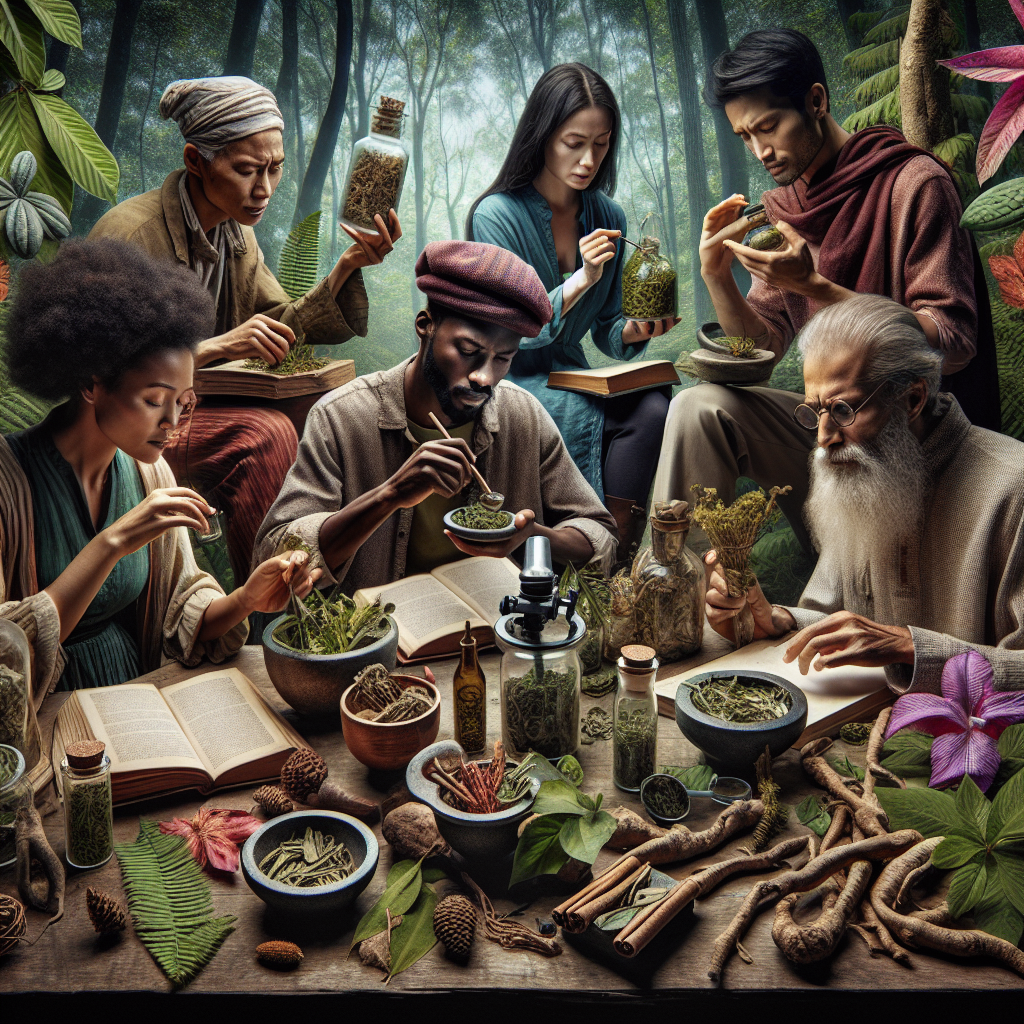
Berenice Dimas, an herbalist from San Diego, recalls learning the art of herbal medicine from her mother in their family garden. “When we had coughs, she would boil oregano from our garden with a hint of Coke,” Dimas remembers, underscoring not just a method, but an intricate interplay of necessity and ingenuity. Initially unaware of the complex relationships behind this recipe, Dimas later discovered that in Mexico, where her family originates, water was more precious than soda. “We got creative with Coke to save the water for essential needs,” her mother explained.
This narrative is not merely one of survival; it reflects a deeper relationship with the land and the community. Dimas emphasizes that herbalism shouldn’t be perceived as a mere transactional tool but rather as a profound bond between nature and humanity. “Herbalism is about being in relationship with the land,” she asserts.
Notably, as society grapples with the commodification of wellness, many herbalists like Dimas resist the trend. Jess Reyes, an herbalist in Long Beach, points out the “extractive ideologies” often present in wellness culture. “It’s not about what these plants can do for us,” she declares, but rather about having a reciprocal relationship with nature.
Incorporating biblical principles illustrates the urgency of this reconnection to herbal practices and community care. Jesus taught us to love our neighbors as ourselves (Mark 12:31) — a principle reflected in modern herbalism’s aim to foster relationships and mutual support among both people and plants. This ethos promotes a collective care approach, one that stands in stark contrast to the individualistic nature of our contemporary society.
As herbalists like Dimas, Reyes, and John Jairo Valencia co-run Hood Herbalism, they reestablish lost connections and empower marginalized communities. Their teachings advocate for returning plant knowledge to those who need it most, invoking a spirit reminiscent of the biblical notion of stewardship — taking care of God’s creation responsibly.
Moreover, these herbalists view their work as a form of survival, not merely for themselves but also for their community. “Our survival is dependent on having a reciprocal relationship with all living beings,” Valencia remarks, echoing the biblical idea of interconnectedness that underscores God’s creation.
As we engage with these practices, we’re invited to reflect on who we are within our ecosystems and the broader implications of our relationships with nature. The prophet Micah reminds us in Micah 6:8 that God requires us to “act justly, love mercy, and walk humbly.” This invitation serves as a guiding principle for anyone seeking meaning in their role as a caretaker of the Earth.
So, the next time you observe the plants around you, think about what they offer and how you might reciprocate. Consider how your actions reflect not just individual wellness but also collective health. As we embrace this journey of herbalism and community care, we intertwine ourselves with the greater tapestry of life, fostering a spirit of love and mutual responsibility.
Takeaway: How can you deepen your relationships with both your community and the natural world? Let the example of these herbalists inspire you to seek out ways to practice care and reciprocity in your own life, echoing the teachings of love and stewardship found in Scripture.
Explore and dig up answers yourself with our BGodInspired App. Be careful – each interaction is like a new treasure hunt… you can get lost for hours 🙂