 0
0
 0
0
The Middle Class Squeeze: A Alarming Shift in America’s Economic Landscape
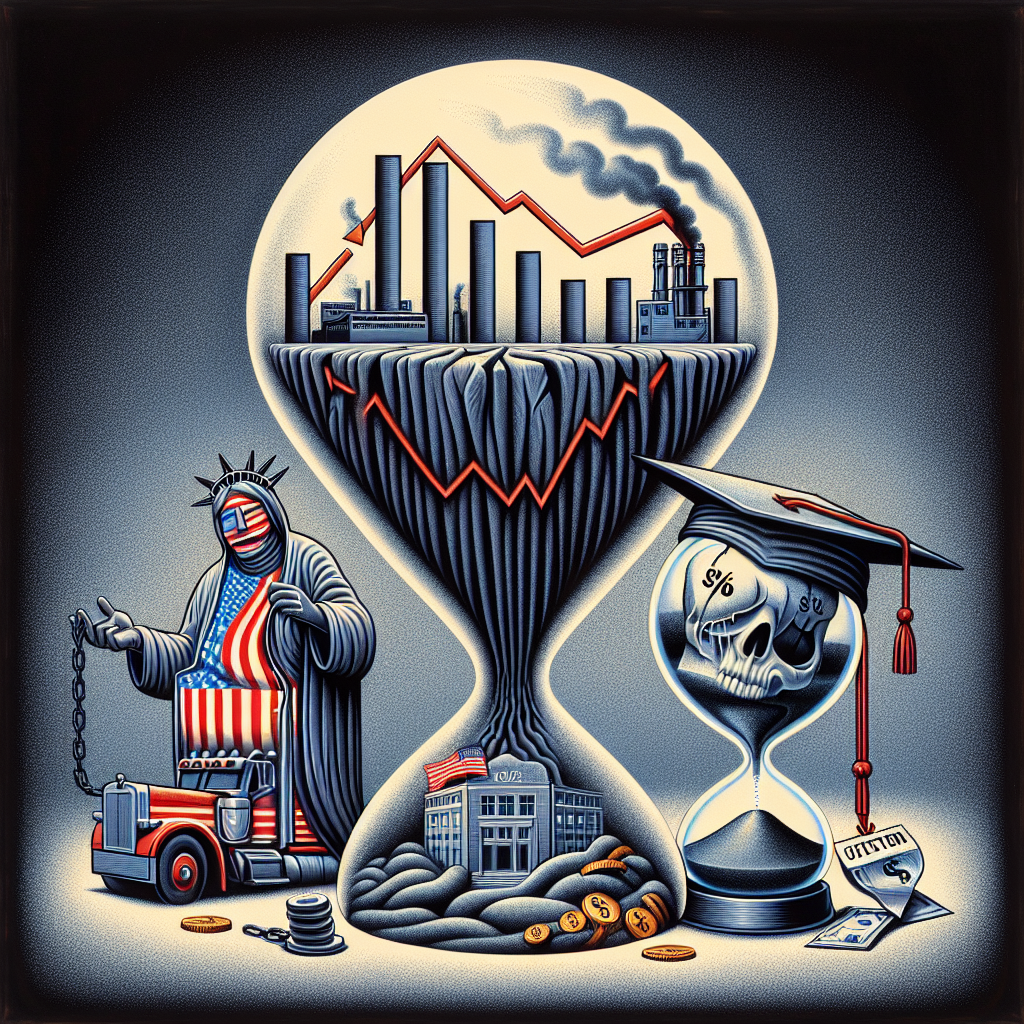
In a revealing analysis by the Pew Research Center, a striking transformation has emerged: for the first time in modern American history, the middle class no longer constitutes a majority of the population. The percentage of adults living in middle-class households has plummeted from 61% in 1971 to just 50% in 2021. This substantial decline highlights a critical moment in the American economic narrative, reflecting broader implications for millions of families.
The Definition of Middle Class: A Shrinking Space
The middle class, defined as households earning between two-thirds and double the national median income—approximately $52,000 to $156,000 annually for a household of three in 2021—now stands equally sized against both the upper and lower economic tiers combined. This alarming statistic underscores a growing discontent and financial strain, prompting questions about the viability of traditional markers of success, such as homeownership, education, and retirement security.
Cost of Living: A Crushing Reality
At the heart of this issue is a relentless explosion in essential living costs that have drastically outpaced income growth. Research from the Center for American Progress highlights that costs for critical areas—childcare, education, healthcare, housing, and retirement—surged by over $10,000 from 2000 to 2012, while income stagnated. Housing, in particular, has become an immense burden; nearly 30% of middle-class homeowners faced monthly payments exceeding 30% of their income in 2022, a sharp rise since 2013. For renters, nearly 40% now grapple with cost burden, revealing a stark reality for many families striving for stability.
As we reflect on these burdens, the Bible reminds us in 1 Timothy 6:10: "For the love of money is the root of all evil." This serves as a poignant reminder of the importance of community and support in the face of economic struggles. The challenges faced by middle-class families today echo the biblical principle of caring for one another and ensuring that the needs of all, particularly the vulnerable, are considered.
Deindustrialization and Its Impact
The dismantling of America’s manufacturing sector has further eroded pathways to middle-class prosperity. Between 2000 and 2010, nearly six million manufacturing jobs vanished. The loss of these positions not only stripped individuals of financial stability but also destabilized entire communities. As the backbone of many local economies crumbled, the repercussions were felt far beyond the factory floors.
Erosion of Labor Power: A Diminished Voice
The decline of labor unions has severely curtailed workers’ bargaining power, with union representation shrinking from 26.7% in 1973 to just 9.9% in 2025. This erosion has wide-reaching effects, eliminating wage-setting standards essential for fair compensation across the economy. Notably, research illustrates that maintaining union density at past levels could have significantly boosted wages for nonunion workers, highlighting a potential path toward recalibrating the economic landscape.
A Disconnect Between Productivity and Pay
Strikingly, while productivity soared over 160% from 1973 to 2025, median worker compensation increased by a mere 11% when adjusted for inflation, creating a stark gap between economic growth and individual prosperity. This disconnection emphasizes the critical need for policymakers to prioritize not just productivity, but equitable pay for workers, echoing the biblical teachings of justice and fairness.
The Role of Policy: Abandoning Full Employment
Economic policy has shifted away from a commitment to full employment, resulting in persistent insecurity for middle-class workers. The focus on inflation control, at the expense of employment, has left many families struggling for a foothold. The economic boom of the late 1990s demonstrated the profound benefits of prioritizing employment, as wages grew broadly across the economy.
Conclusion: A Call for Reflection and Action
The erosion of middle-class prosperity is not simply a result of external forces, but a culmination of deliberate policy decisions that prioritize certain economic interests over those of the working and middle classes. This moment in history beckons us to reflect deeply on how we can restore stability and fairness within our economic systems.
To echo the sentiment shared in Proverbs 11:1, “A false balance is an abomination to the Lord, but a just weight is His delight.” This stark truth invites us to advocate for economic policies that mirror divine justice and equity, ensuring that every individual has the opportunity to thrive.
As we navigate these challenging times, let us remember that hope remains within our grasp. By fostering a spirit of community and striving for policies that uplift all, we can work toward restoring the promise of the American dream. The question remains whether we possess the collective resolve to prioritize middle-class prosperity in a manner that reflects our shared values and aspirations. Let each of us consider our role in creating a more just and equitable future.
Explore and dig up answers yourself with our BGodInspired Bible Tools! Be careful – each interaction is like a new treasure hunt… you can get lost for hours 🙂