 0
0
 0
0
Spiritual Devotional about Rituals of Passage
Embracing Life’s Sacred Thresholds: The Power of Rites of Passage
Life is a beautiful journey marked by moments of transition, each offering a sacred opportunity for growth and transformation. These pivotal moments, often celebrated through rituals of passage, hold deep spiritual significance, grounding us in our identities and connecting us to our communities and faith.
In the Bible, we find numerous rites of passage that signify growth and transformation. Consider the baptism of Jesus (Matthew 3:13-17), a profound moment marking the beginning of His public ministry. This ritual, a symbol of cleansing and renewal, set the stage for His mission and ministry. Similarly, the story of Moses leading the Israelites out of Egypt (Exodus 12) stands as a powerful reminder of liberation and new beginnings, signifying their transformation into a free people.
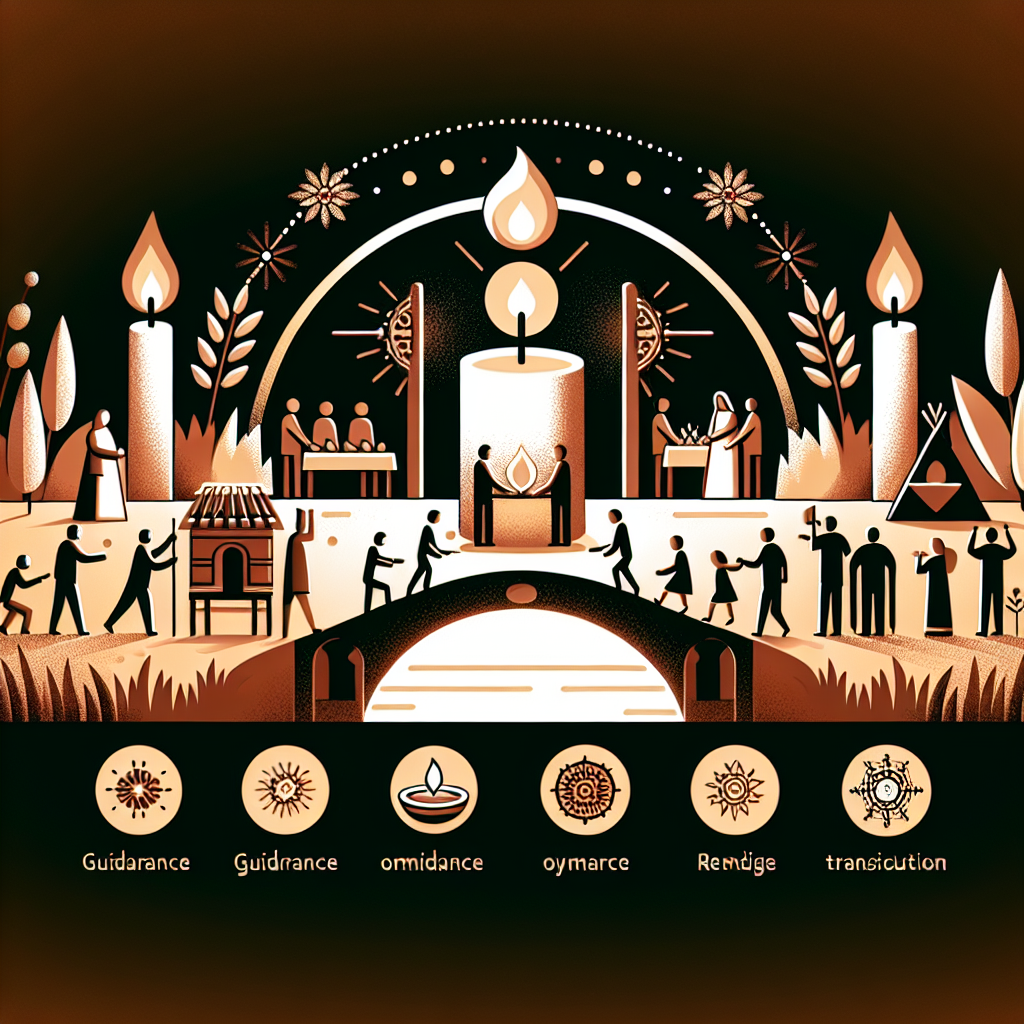
Rites of passage can be personal milestones like weddings, graduations, and birthdays, or spiritual ceremonies like baptisms and confirmations. Each one serves as a milestone that propels us forward, marking an end to one chapter and a glorious beginning to another. These rituals are more than mere traditions; they are divine appointments with destiny, orchestrated by God to remind us of His continual presence and purpose for our lives.
Embracing these sacred thresholds with gratitude and anticipation can invigorate our spirits and deepen our faith. Here are a few ways to connect with God and experience His love through these transformative moments:
-
Reflect with Gratitude: Take time to reflect on the journey that brought you to this moment. Celebrate the challenges overcome and the lessons learned. As 1 Thessalonians 5:18 reminds us, "Give thanks in all circumstances; for this is God’s will for you in Christ Jesus."
-
Seek His Guidance: As you stand on the brink of change, seek God’s direction and wisdom. Proverbs 3:5-6 encourages us to "Trust in the Lord with all your heart and lean not on your own understanding; in all your ways submit to Him, and He will make your paths straight."
-
Cherish Community: Rituals of passage are often communal events. Embrace the love and support from family and friends, recognizing the role they play in your journey. Ecclesiastes 4:9-10 beautifully illustrates the strength found in community.
-
Embrace New Beginnings: With every end comes a new beginning. Let hope and faith lead you into the next chapter, trusting that God has wonderful plans for you, as promised in Jeremiah 29:11.
Every rite of passage is a testament to God’s unending love and grace, a beacon lighting the path toward a future filled with promise and hope. Let us embrace these sacred moments with joy and anticipation, knowing that each step forward brings us closer to the fullness of life that God desires for us.
So, as you journey through life’s sacred thresholds, may you feel inspired, uplifted, and deeply connected to the divine presence that guides you through every season. Here’s to celebrating the rituals of passage that shape us, enrich us, and propel us toward our God-given destinies.
Explore and dig up answers yourself with our BGodInspired Bible Tools! Be careful – each interaction is like a new treasure hunt… you can get lost for hours 🙂
Q&A about Rituals of Passage
Q: What are Rituals of Passage?
A: Rituals of passage are ceremonies or events that mark important transitional periods in a person’s life, such as birth, puberty, marriage, or death. These rituals often signify a change in social status and help individuals and communities manage changes.
Q: What is an example of a coming-of-age ritual?
A: The Jewish Bar or Bat Mitzvah is a coming-of-age ritual marking the transition from childhood to adulthood. At age 13 for boys and 12 for girls, they become responsible for their actions and can participate in all areas of Jewish community life.
Q: How do marriage ceremonies serve as rituals of passage?
A: Marriage ceremonies symbolize the transition from singlehood to married life. They often include vows, exchanging rings, and other cultural or religious practices that signify commitment and the creation of a new familial bond.
Q: Can you name a rite of passage associated with death?
A: Funerals are common rites of passage associated with death. They provide a way for the living to honor and remember the deceased, and often include rituals such as eulogies, prayers, and burial or cremation.
Q: Why are rituals of passage important in different cultures?
A: Rituals of passage help individuals and communities navigate changes and transitions. They provide structure and meaning, promote social cohesion, and reinforce cultural values and identity.
Q: What role do initiation rites play in some communities?
A: Initiation rites often mark the transition from youth to adulthood and may involve tests of strength, endurance, or knowledge. They serve to impart important cultural values and skills needed for adulthood within the community.