 0
0
 0
0
Discovering Divine Language: Lessons from Babel by R.F. Kuang and the Bible
Introduction: The Power of Language
Have you ever considered how words shape our world? Imagine standing at Babel, the fictional Tower, or at Oxford University, where language becomes a tool of empire. R.F. Kuang’s "Babel" explores the dynamics of translation and power. Similarly, the Bible presents stories about the impact of language and unity.
In this devotional, we’ll explore the connection between Kuang’s themes and biblical principles, revealing insights into language’s transformative power.
The Tower of Babel: A Biblical Tale of Unity and Division
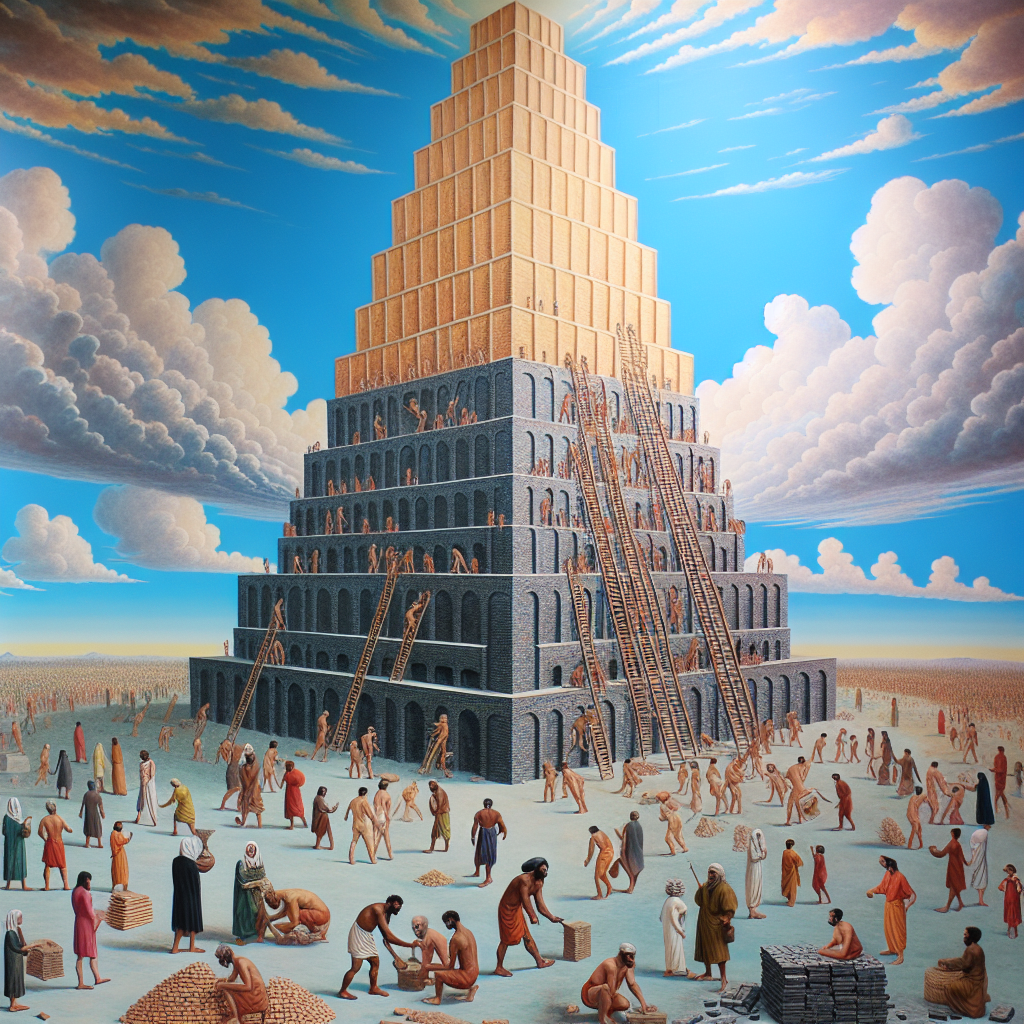
The biblical story of the Tower of Babel (Genesis 11:1-9) begins with humanity speaking a single language. As people unite to build a tower to reach the heavens, God intervenes by confusing their language, causing division. This divergence leads to scattering across the earth.
Key Points:
- Unity in Purpose: The builders worked together, illustrating the strength of shared goals.
- Divine Intervention: God’s disruption reveals His authority over human endeavors.
- Diversity of Language: The multiplicity of languages leads to cultural richness.
Reflect on how the unity desired by Babel’s builders contrasts with God’s vision for diversity as a form of blessing.
Babel by R.F. Kuang: Language as a Tool of Power
R.F. Kuang’s "Babel" delves into colonialism and linguistic imperialism, where translation becomes a means of control. By assimilating and manipulating languages, empires exert dominance over nations.
Key Points:
- Language and Identity: Language shapes and defines cultural identity.
- Colonial Power: The control over language represents control over people.
- Resistance and Reclamation: Emphasizes the importance of reclaiming language for empowerment.
Consider how language has influenced your identity and sense of belonging. How can reclaiming your narrative empower you?
Connecting Themes: Babel and Biblical Principles
Both Babel stories involve the complex interplay of unity, language, and divine purpose.
Unity and Diversity
The Bible speaks to unity in diversity. 1 Corinthians 12:12-14 highlights the body of Christ’s unity, consisting of diverse members. Just as each language at Babel contributes to the global tapestry, every person has a unique role in God’s plan.
Language as a Gift
Proverbs 18:21 reminds us that "the tongue has the power of life and death." Words can build up or destroy. Babel’s builders sought to make a name for themselves, but God’s plan is for languages to glorify Him, as seen at Pentecost (Acts 2:1-12), where the Holy Spirit enables believers to speak in different tongues, uniting them in purpose.
Reflection: The Language of Love
Consider how words shape relationships. Ephesians 4:29 urges us to use language for building others up. How can you ensure your words reflect love and kindness, fostering unity rather than division?
Interaction: Your Language, Your Power
Pause to reflect:
- How do you use language to empower yourself and others?
- What steps can you take to appreciate linguistic and cultural diversity in your community?
Conclusion: Embracing God’s Gift of Language
The journey through Babel—both Kuang’s narrative and the biblical account—reveals that language is a divine gift, intended to unify rather than divide. Let us embrace this gift to speak life, celebrate diversity, and align with God’s purpose.
Call to Action
How has language influenced your life? Share your thoughts or experiences in the comments below. Let this community be one of encouragement and shared wisdom!
By reflecting on language’s power and potential, we draw nearer to understanding God’s intention for unity and purpose in diversity—the divine symphony of language that echoes through time.
May you be blessed with wisdom as you use your voice for healing and hope.
If you want to learn how ANY book relates to Biblical principles, please try our Books and Scripture GPT. Simply type in the name of a book and let it show you insights you might not have been aware of!