 0
0
 0
0
Advancements in AI Pave New Paths for Speech Language Pathology
When Marisha Speights embarked on her career as a speech language pathologist, she relied on traditional assessments that she had learned to trust. However, a shift in context—from affluent settings in Nashville to underserved preschools in Jackson, Mississippi—challenged that reliance. "I don’t think this child has a speech problem, but the test says they’re at risk," Speights noted, highlighting the inadequacies of standardized testing in diverse populations. This revelation ignited a profound question: How reliable are our current measures across different demographic groups?
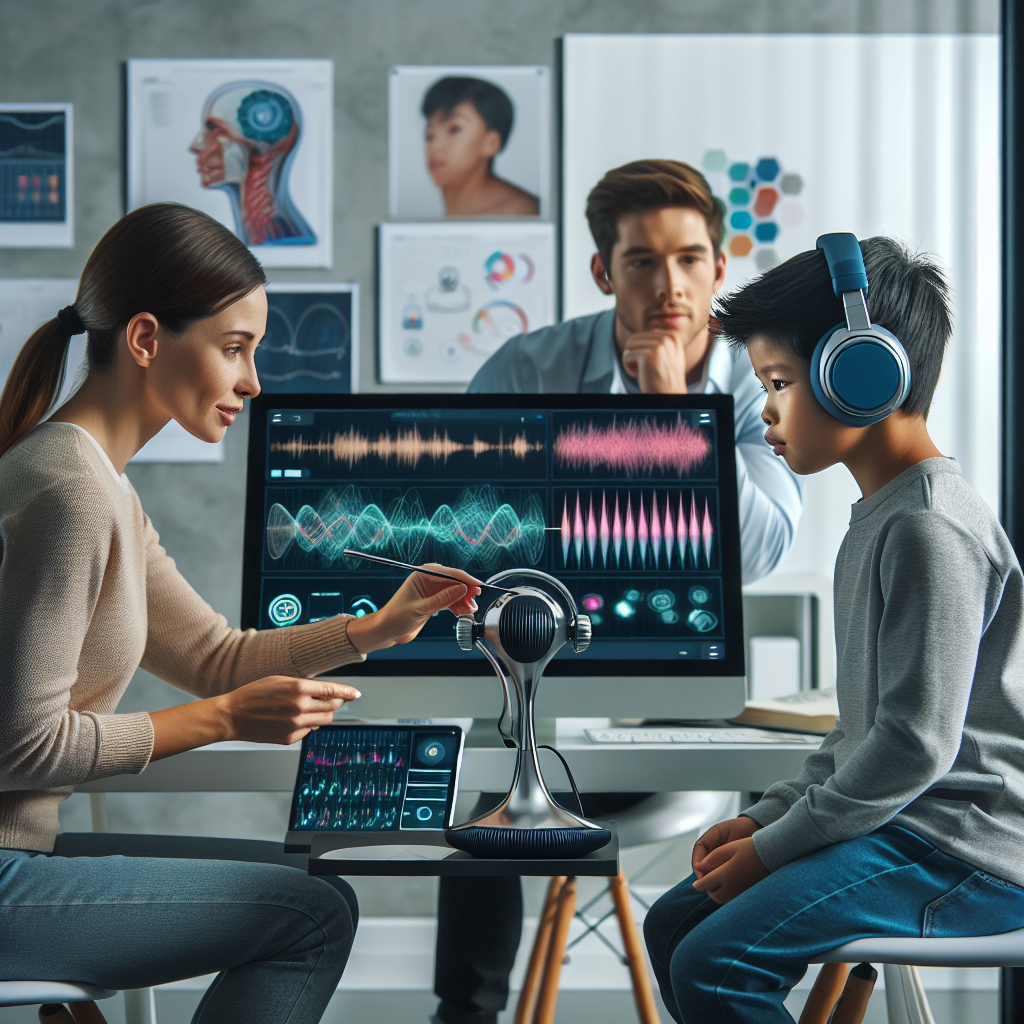
Determined to find a solution, Speights is now pioneering artificial intelligence innovations at Northwestern University through her Pediatric Speech Technologies and Acoustics Research Lab, or PedzSTAR Lab. Speights’ team is developing a toolbox of acoustic biomarkers to analyze the speech patterns of children, collecting data from diverse backgrounds and socioeconomic statuses. Having already gathered samples from 400 children, the goal is to reach over 2,000, ensuring a more representative dataset that could enhance diagnostic accuracy.
The rising interest in AI applications across the healthcare landscape is palpable, particularly in the realm of speech pathology. Jordan Green, a Harvard University professor specializing in communication sciences, emphasized that AI’s potential is being harnessed in various forms, from virtual therapy to AI-driven diagnostics. This burgeoning technology is often viewed through a lens of hope and innovation.
Improving Outcomes for Children
One critical area of focus for Speights is the largely overlooked pre-K demographic. "Collecting speech data with children is hard," she explained. Engaging children in play-based activities, such as interactions with toy farm animals, helps to elicit natural speech sounds crucial for developmental assessment. Speights hopes that the PedzSTAR Lab will eventually provide software capable of better diagnosing early speech disorders, enhancing the care children receive.
Similar initiatives are gaining traction at institutions like the University at Buffalo, which received a $20 million grant from the National Science Foundation to investigate AI’s role in diagnosing childhood speech issues. The ultimate goal? To create universal screening tools that educators can utilize to provide timely interventions, echoing the biblical principle of helping those in need (Proverbs 31:8-9).
Alleviating Pressures in the Field
AI’s potential extends beyond diagnosis and intervention; it also addresses the pressing issue of burnout among speech language pathologists. With a growing number of children diagnosed with speech disorders, many professionals are overwhelmed. Lauren Arner from the American Speech-Language-Hearing Association stressed that AI tools could help lighten administrative burdens, allowing practitioners to devote more time to direct patient care.
Despite the promise of AI, both Speights and Govindaraju emphasized that technology is not a replacement for human expertise. "AI won’t make its own diagnoses; that will always be managed by a licensed professional," stated Govindaraju. This balance reflects the biblical principle of stewardship, reminding us that while we can leverage technology, it must be guided by compassion and professional integrity.
Navigating Ethical Considerations
As these technologies advance, important considerations around data privacy must be addressed. Speights reassures that her protocols ensure no identifiable information is collected from children. This commitment to ethical standards emphasizes the moral responsibility to protect vulnerable populations—a sentiment echoed throughout scripture.
In a world increasingly reliant on technology, it’s vital to remember the scriptural call to care for one another (Galatians 6:2). With thoughtful implementation, AI can empower speech language pathologists to provide more effective, personalized care.
A Call to Reflection
As the landscape of speech language pathology evolves, we are invited to reflect on our responsibilities towards the most vulnerable among us. The advancements facilitated by AI in this field, while promising, suggest a deeper call to both action and care. Just as Jesus taught about loving our neighbors, our engagement in these innovative efforts must be rooted in compassion, insight, and an unwavering commitment to uplifting those in need.
In the words of Philippians 4:13, “I can do all things through Christ who strengthens me.” May this serve as a motivation to seek out innovative solutions that not only address immediate challenges but also foster hope and healing in the lives of children. Embracing technology can lead us towards wisdom—and wisdom, in turn, can lead to compassion. How will you respond to this call?
Explore and dig up answers yourself with our BGodInspired Bible Tools! Be careful – each interaction is like a new treasure hunt… you can get lost for hours 🙂