 0
0
 0
0
Ancient Tools Reveal Shifts in Early Human Culture: A Reflection on Connection and Purpose
Archaeologists often act as modern detectives, piecing together the narratives from the distant past to uncover the habits, tools, and beliefs of early humans. Recent discoveries from two sites northeast of Tel Aviv—Jaljulia and Qesem Cave—shed new light on how our ancestors adapted to changing environments and dietary needs approximately 400,000 years ago. This exciting chapter in prehistory not only highlights human ingenuity but also echoes deeper spiritual truths about connection and purpose.
Unearthing Shifts in Diet and Tools
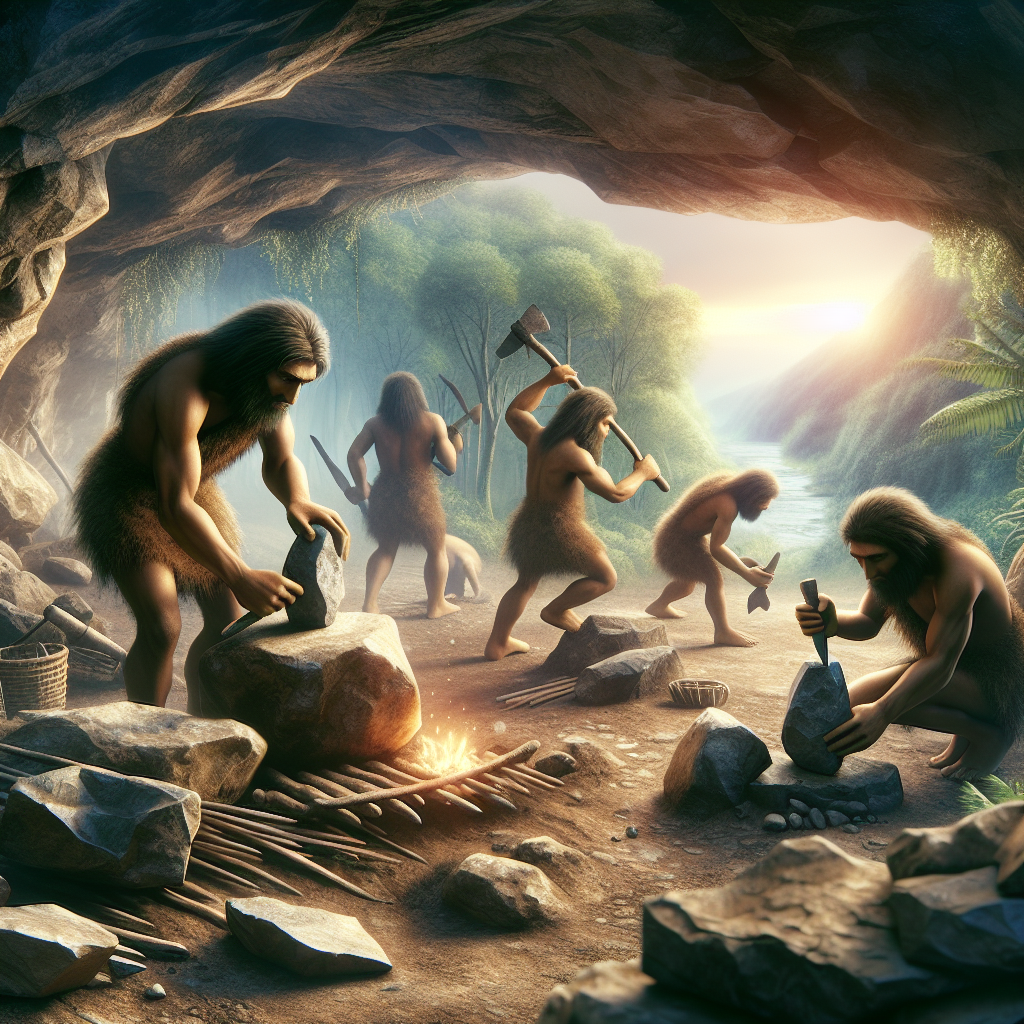
The finds center around a specialized flint tool known as a Quina scraper, a surprisingly sophisticated implement designed for processing the smaller game that increasingly dominated the landscape as larger animals, like elephants, began to dwindle. The scraper’s scalloped edge, much sharper than its predecessors, reflects a significant evolution in both hunting strategy and tool design. This shift required early humans to rethink their approach to survival, emphasizing efficiency and enabling them to readily adapt to the necessities of their environment.
This transformation mirrors profound biblical principles. In the Scriptures, we see that adaptability and resilience are valued traits. Just as early humans had to pivot their strategies for survival, so too are we called to adjust our lives in response to changing circumstances. Proverbs 3:5-6 reminds us, “Trust in the Lord with all your heart and lean not on your own understanding; in all your ways submit to Him, and He will make your paths straight.” This verse emphasizes the importance of faith and guidance when facing uncertainty, an inspiration that echoes the adaptive nature seen in our ancient ancestors.
Cultural Significance of Locations
An intriguing aspect of the newly discovered tools is where they sourced their flint. Early humans transported it over 12 miles from the Samarian highlands, aligning their hunting and tool-making efforts with specific geographies tied to their survival. This connection reveals a conscious awareness of the land, emphasizing the sacredness of nature and its resources—something which resonates deeply with biblical teachings regarding stewardship and reverence for creation.
The Bible often speaks to the significance of places and their connection to God’s creation. In the same way that the ancient inhabitants prized the Samarian mountains for the resources they provided, we are reminded of the earth’s inherent value. Genesis 1:28 calls us to steward creation: “God blessed them and said to them, ‘Be fruitful and increase in number; fill the earth and subdue it.’” The early humans’ practice of retrieving flint from areas rich in resources speaks to a legacy of recognizing and nurturing the elements that sustain life.
Lessons for Today
As we contemplate the resilience and adaptability of these ancient hunters, we are encouraged to reflect on our own lives. Just as they adapted to their circumstances with innovative tools and strategies, we too can learn to adapt in our modern contexts. This may involve recognizing where our sources of strength lie and making commitments to steward those resources effectively.
The relationship between resources and their significance in our lives can foster deeper connections and meaning. It invites us to consider what we hold sacred and how we treat what sustains us, paralleling the way early humans formed deep bonds with their environment.
Encouraging Reflection
In summary, the discovery of specialized tools in Jaljulia and Qesem Cave is not merely about ancient human ingenuity—it serves as a compelling reflection on the ongoing spiritual journey we all undertake. As we learn from our ancestors, let us remember the intertwining of our resources, their sacred significance, and the adaptability that life requires.
As we navigate our own life challenges, may we find strength in the understanding that “the Lord will fulfill his purpose for me; your love, O Lord, endures forever” (Psalm 138:8). Let this knowledge inspire us to reflect on our connections to creation, the resources we hold dear, and how we can honor them with wisdom and grace.
Explore and dig up answers yourself with our BGodInspired Bible Tools! Be careful – each interaction is like a new treasure hunt… you can get lost for hours 🙂