 0
0
 0
0
Lack of Internet Connectivity Hinders Northland Farmers: A Call for Change
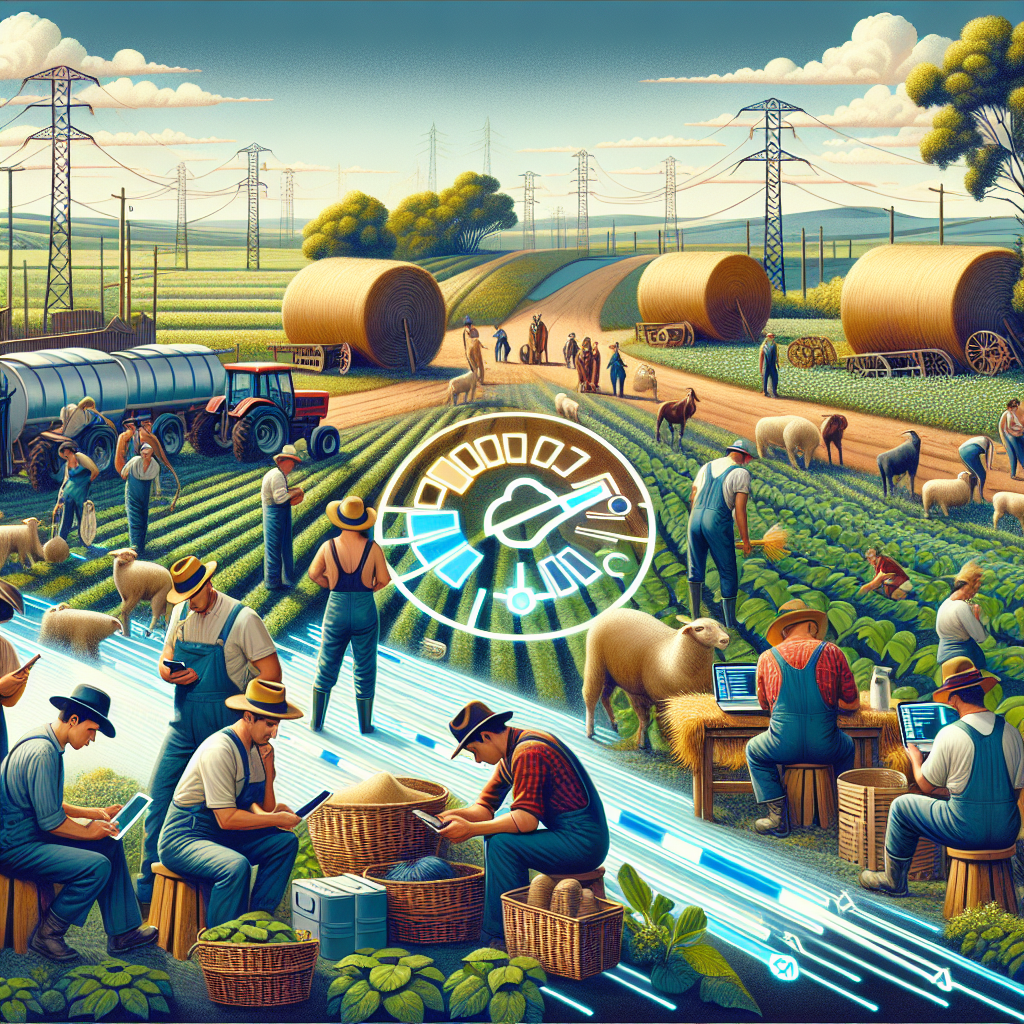
Farmers in Northland are experiencing significant challenges due to inadequate internet connectivity, a situation described as an impediment to both productivity and profitability by Federated Farmers Northland president Colin Hannah. The struggle is not merely a technical issue; it impacts the very fabric of community life, business operations, and educational opportunities.
Hannah reports that some farmers find it necessary to leave their homes to seek better internet access in nearby towns just to complete essential tasks, such as filling out NAIT compliance forms. As he shares, "The lack of good internet is a major impediment to profitable farming and the growth of the primary sector in the region." Factors affecting connectivity mean that vital tasks often become cumbersome, consuming precious time and resources.
Poor internet access extends beyond administrative bottlenecks; it intersects with pressing concerns in health and education. With many students unable to attend classes or access online materials due to limited connectivity, one former university lecturer highlighted instances where students had to be driven to higher ground to establish a stable connection for online sessions. Hannah reflects, “The lack of internet has a big impact on families choosing to work or not work in Northland.”
The Northland Digital Enablement Group, which includes Hannah, is actively lobbying for improved internet infrastructure, seeking innovative solutions for remote areas. Emerging technologies like Starlink are gaining traction, but Hannah emphasizes that cost remains a barrier for many. Despite the challenges, recent initiatives have successfully facilitated telehealth access for 80% of Northland’s maraes, significantly reducing travel for healthcare consultations.
However, connectivity issues are compounded by broader challenges in the agricultural sector. The region faces declining milk production, a shift from sheep farming to beef due to low wool prices, and the impacts of forestry regulations. These changes threaten the economic viability of farms. Hannah notes a concerning correlation, stating, “For every dollar decrease in farm revenue, we are seeing a corresponding increase in crime and MSD costs.”
Yet, amidst this adversity, there are virtues rooted in community and resilience that reflect the teachings of Jesus. The Bible encourages us to support one another in times of trial, echoing the sentiment found in Galatians 6:2: “Carry each other’s burdens, and in this way, you will fulfill the law of Christ.” Engaging in collective efforts, such as lobbying for infrastructure improvements, embodies this spirit of support and partnership.
As Northland farmers continue to advocate for better connectivity, not only to sustain their livelihoods but also to enhance the quality of life for themselves and their families, there lies an invitation for the broader community to consider their role in supporting one another.
Let us take a moment to reflect on how we, too, can be vehicles of support in our communities. Every small act of assistance can help uplift those affected by challenging circumstances. In the face of adversity, may we find ways to connect – both literally and figuratively – and work towards a brighter, more connected future for all.
Explore and dig up answers yourself with our BGodInspired Bible Tools! Be careful – each interaction is like a new treasure hunt… you can get lost for hours 🙂