 0
0
 0
0
Are You Getting Enough Protein? Eight Signs Your Diet May Be Lacking This Essential Nutrient
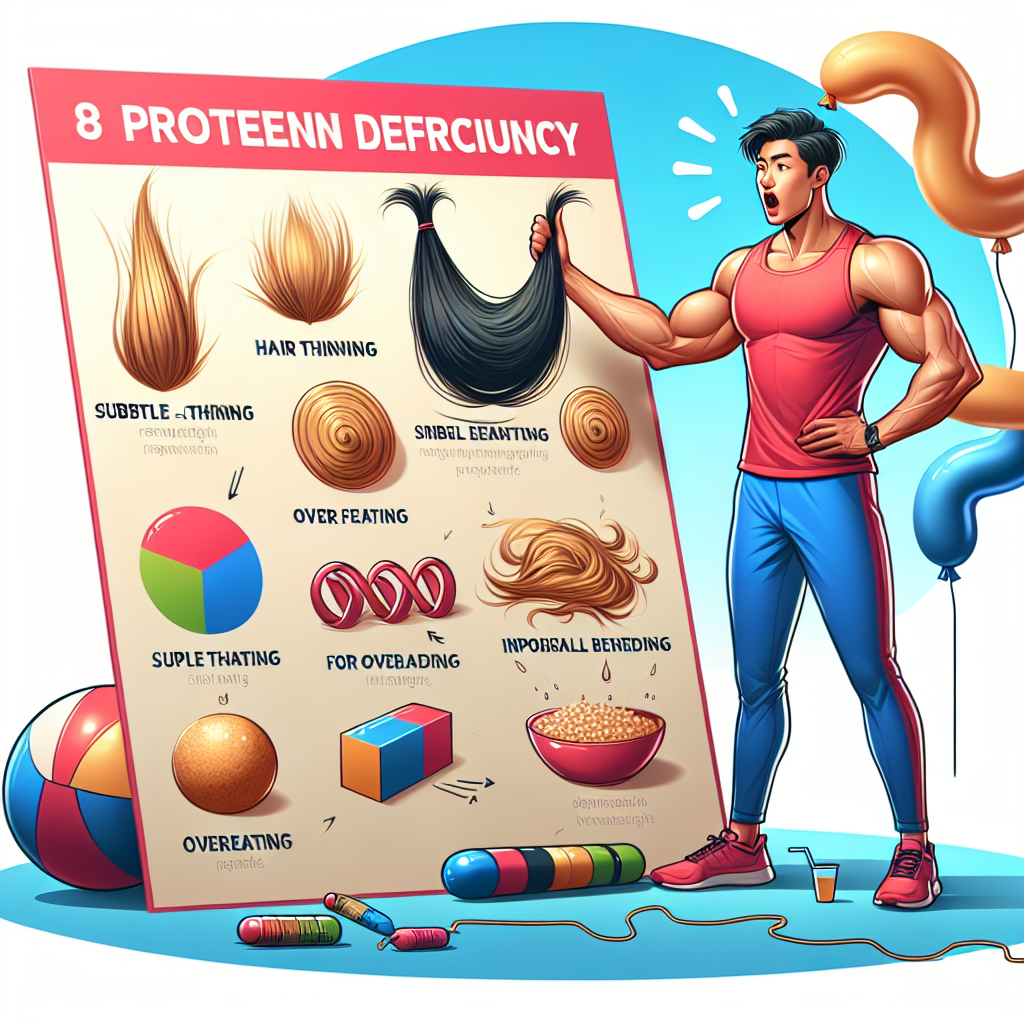
Protein plays a pivotal role in our health, influencing everything from muscle repair to hormone production. Yet, many individuals fall short of meeting their daily protein needs. This deficiency can manifest in ways that may not be immediately apparent, as your body sends subtle signals indicating a lack of this vital nutrient. Fitness coach Dillon Swinney recently shared eight key signs that may suggest your protein intake is insufficient.
1. Persistent Muscle Soreness
If you find that your muscles remain sore for longer than usual after workouts, it may be time to reassess your protein consumption. Without sufficient protein, your body struggles to repair and rebuild muscle tissue after exertion.
2. Decreased Strength and Performance
Are your fitness goals feeling out of reach? A lack of protein could be impacting your endurance and overall performance. High-quality protein is essential for sustaining strength during workouts.
3. Frequent Fatigue
Constantly feeling drained? Protein aids in providing energy and supports metabolic functions. An inadequate protein intake may result in low energy becoming a part of your daily life.
4. Slow Injury Recovery
Protein is crucial for healing and tissue regeneration. If you notice injuries are taking substantially longer to heal, inadequate protein levels might be a key factor to consider.
5. Increased Body Fat
Not consuming enough protein can lead to muscle loss, which slows down your metabolism and could make gaining body fat easier over time.
6. Getting Sick More Often
Your immune system relies on protein to function effectively. Insufficient protein intake can weaken your immune response, making you more susceptible to illness.
7. Hair Thinning and Brittle Nails
Hair and nails are primarily composed of keratin, a protein. A lack of protein in your diet may manifest in weaker hair and nails that break easily.
8. Intense Cravings and Overeating
Still hungry after meals? Insufficient protein can disrupt hunger hormones, leading to unhealthy cravings and increased tendencies to overeat.
While it’s imperative to address these dietary concerns, reflecting on the biblical principle of stewardship can provide a deeper context. Just as we are called to be stewards of our time, talents, and resources, we must also care for our bodies, which are described as temples in 1 Corinthians 6:19-20: “Do you not know that your bodies are temples of the Holy Spirit, who is in you, whom you have received from God? You are not your own; you were bought at a price. Therefore honor God with your bodies.”
Encouraging Takeaway
By paying attention to these signs and making informed dietary choices, you can honor the gift of health you’ve been given. Reflect on how nurturing your physical well-being can resonate with spiritual principles, encouraging you to live fully and vibrantly. After all, a well-nourished body enables you to engage more deeply in the world around you, fulfilling your purpose.
Explore and dig up answers yourself with our BGodInspired Bible Tools! Be careful – each interaction is like a new treasure hunt… you can get lost for hours 🙂