 0
0
 0
0
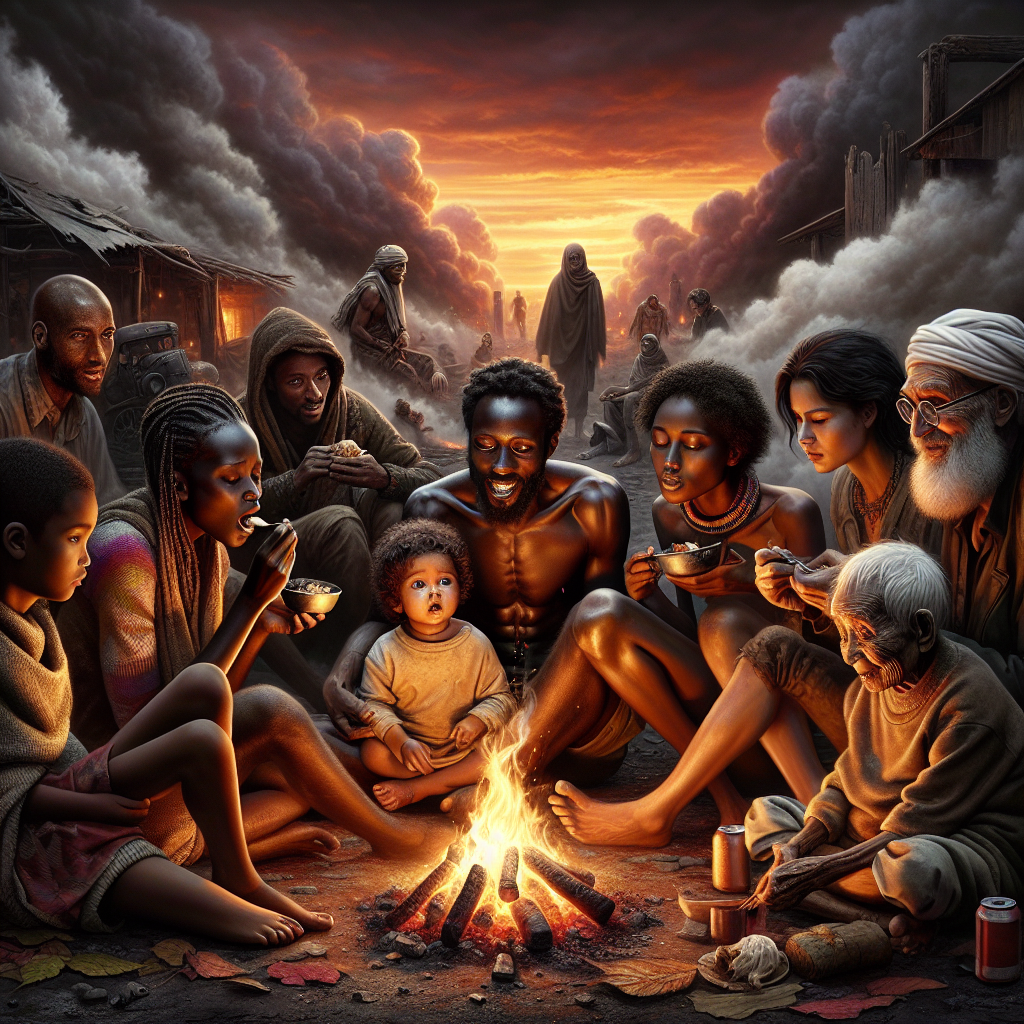
Sudanese Displaced People Survive on Leaves and Charcoal Amid Ongoing Violence
Reports from aid agencies reveal a devastating humanitarian crisis in Sudan, particularly around the city of el-Fasher, where displaced individuals are resorting to eating leaves and charcoal for survival. The plight of these vulnerable people has escalated following an attack by the paramilitary Rapid Support Forces (RSF) on the nearby Zamzam camp, forcing tens of thousands to flee their makeshift shelters.
"The stories we’ve been hearing are truly horrific," said Noah Taylor, the Norwegian Refugee Council’s head of operations, during an interview with the BBC. He noted that individuals fleeing el-Fasher for the town of Tawila were "dying on arrival" due to a lack of water and extreme heat as they make the grueling 25-mile trek.
Tragically, some have faced unimaginable violence along the way, including reports of sexual assault and even death. "We spoke to a family who told us of a girl who had walked on foot by herself from el-Fasher, was repeatedly raped along the journey, and then died of her wounds when she arrived in Tawila," Taylor recounted.
As the last city in Sudan’s western region of Darfur under government control, el-Fasher has become a focal point in the ongoing civil strife that has claimed tens of thousands of lives and displaced approximately 13 million people. The RSF has been accused of targeting non-Arabic residents, with UK Foreign Minister David Lammy stating that the actions "display the hallmarks of ethnic cleansing and may amount to crimes against humanity."
In light of these harrowing circumstances, the responsibility for humanitarian aid has become increasingly urgent. The United Nations has warned that funding shortages have forced reductions in essential food aid just as needs are skyrocketing. Many individuals arriving in Tawila are already struggling; the small town is reportedly hosting between 130,000 to 150,000 people, doubling its capacity, with very little food and water available.
As we witness such turmoil, it is worth reflecting on biblical principles of compassion and care for those in need. Jesus taught us to "love your neighbor as yourself" (Mark 12:31), a powerful reminder of our shared humanity and the imperative to support the vulnerable. This crisis calls not just for aid in the material sense, but for a deeper commitment to justice and mercy that can help heal communities fracturing under the pressures of war and suffering.
As we learn about the plight of those forced to flee, let us be encouraged to act, advocate for justice, and stand in solidarity with the oppressed. It’s a moment to reflect on how we can embody love and kindness in a world that often seems marked by chaos and despair. By focusing on collective humanity and inclusive compassion, we can contribute positively to the journey toward healing and restoration.
In this light, we are invited to consider: How can we extend a hand to those who are suffering, even from afar? Let us remember that each act of compassion, no matter how small, contributes to a larger movement of hope and change.
Explore and dig up answers yourself with our BGodInspired Bible Tools! Be careful – each interaction is like a new treasure hunt… you can get lost for hours 🙂