 0
0
 0
0
Prescription Medications Are Influencing Wildlife: A Closer Look at Benzodiazepines in Aquatic Ecosystems
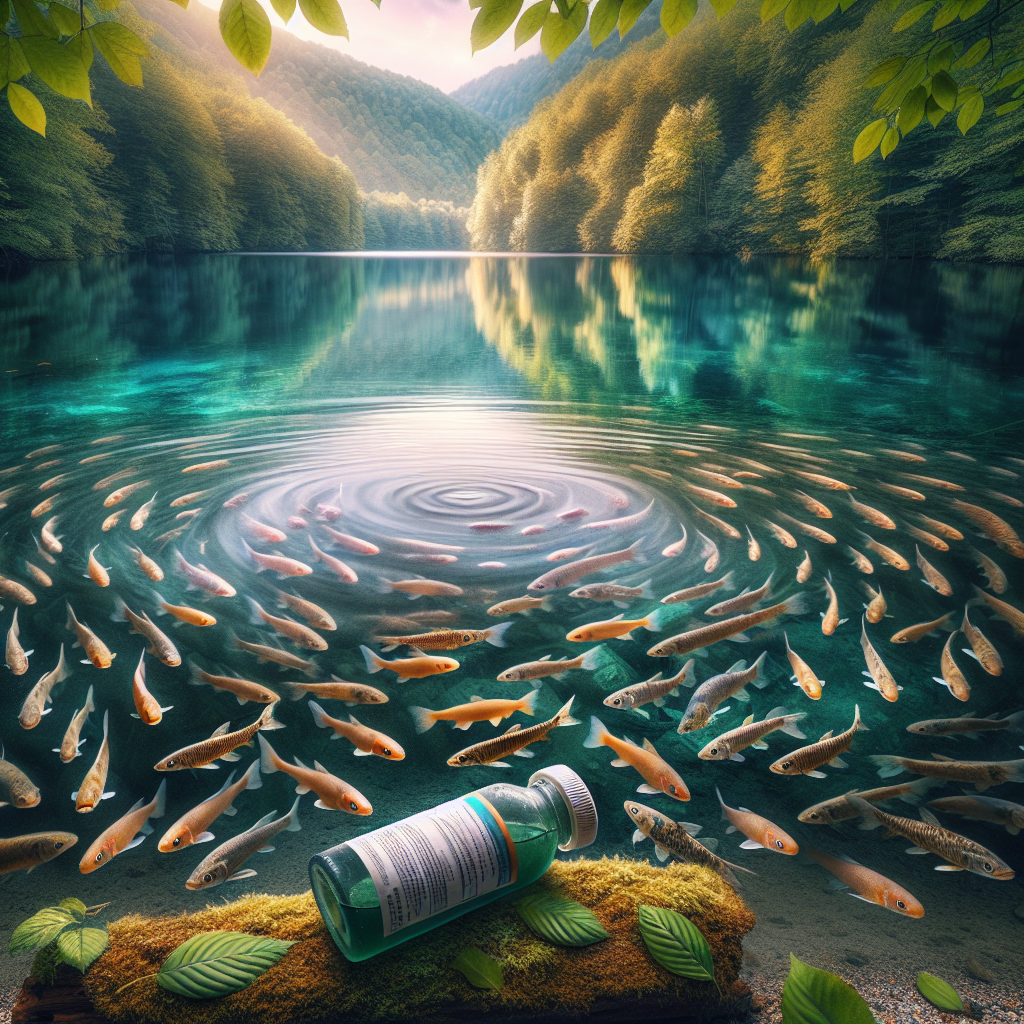
In an unexpected twist, recent research has uncovered that the anxiety medications many humans rely on, particularly benzodiazepines, are not only impacting our well-being but also altering the lives of wildlife — especially aquatic species. As it turns out, trace amounts of these substances, which often pour into our sewage systems, are making their way into rivers, lakes, and oceans, affecting creatures like fish in ways that scientists are only beginning to comprehend.
Benzodiazepines, commonly prescribed for anxiety relief, are known for their effectiveness in easing mental distress. However, when these medications are ingested, not all of them get absorbed by the body. The remnants often end up in wastewater, where treatment plants are ill-equipped to filter them entirely, leading to their eventual release into local waterways. This phenomenon has led to a peculiar situation: wild fish, such as Atlantic salmon, may be swimming under the influence of our medications.
A recent study published in the journal Science investigated the effects of clobazam, a common benzodiazepine used to treat anxiety and seizures, on young Atlantic salmon in Sweden. Researchers found that salmon exposed to this drug performed better during their migration to the sea, exhibiting faster passage through obstacles like hydropower dams. Surprisingly, more of these drugged salmon reached the ocean compared to their sober counterparts. This raises questions about the broader implications of human pharmaceuticals spilling into ecosystems.
As fish navigate through stressors, like predators and physical barriers, the presence of these medications might help them cope, albeit artificially. This scenario generates a thought-provoking juxtaposition: even as humans introduce stress into the environment through urbanization, habitat destruction, and climate change, our medications could be helping wildlife adapt to the very pressures we impose on them.
Caffeine and over-the-counter pain relievers, like Tylenol, are also entering these ecosystems, further complicating the relationship between human activity and wildlife health. While the low concentrations of these substances in the water might not have a drastic effect on humans, they can significantly influence smaller aquatic animals, leading to behavioral and physiological changes. Some previous studies have indicated that exposure to certain chemicals can feminize male fish and alter critical mating behaviors — thus impacting entire populations.
Ecologists caution against jumping to conclusions about the outcomes of fish thriving under the influence of human drugs. Although salmon on clobazam appear to have enhanced performance, experts warn that these behavioral shifts could lead to other unforeseen negative consequences, such as reduced social behavior and increased vulnerability to predation.
This situation prompts reflection on biblical principles of stewardship and care over creation. As highlighted in Genesis 2:15, humans are called to "tend and keep" the earth. Every action, including the use of pharmacological substances, has a ripple effect on the ecological balance of God’s creation. We are reminded of the interconnectedness of all life and our responsibility to be mindful stewards of the resources entrusted to us.
As Bryan Brooks, an environmental scientist, aptly notes, “If we put stuff in the environment, we need to understand what happens to it.” This principle underscores a greater lesson: that our choices in everyday life should reflect not just the immediate requirements of human health, but also the broader impact on God’s creation.
As we navigate the complexities of modern healthcare and environmental stewardship, may we find encouragement in the wisdom of Proverbs 12:10, which emphasizes the righteous care of animals: “The righteous care for the needs of their animals, but the kindest acts of the wicked are cruel.”
Let’s carry this exhortation with us as an invitation for reflection. How can we be more intentional in our stewardship of the earth and mindful of the consequences of our actions? Striving to honor the Creator in our decisions can lead us to a healthier world for all living creatures.
Explore and dig up answers yourself with our BGodInspired Bible Tools! Be careful – each interaction is like a new treasure hunt… you can get lost for hours 🙂