
 0
0
 0
0
Israel Expands Military Operations in Gaza Amid Escalating Conflict and Humanitarian Concerns
DEIR AL-BALAH, Gaza Strip (AP) — In a significant escalation of military operations, Israeli Prime Minister Benjamin Netanyahu announced on Wednesday the establishment of a new security corridor across the Gaza Strip aimed at exerting pressure on Hamas. This new corridor, named the Morag corridor after a former Jewish settlement, is intended to separate the southern city of Rafah from the rest of the Palestinian territory, following an order for its evacuation.
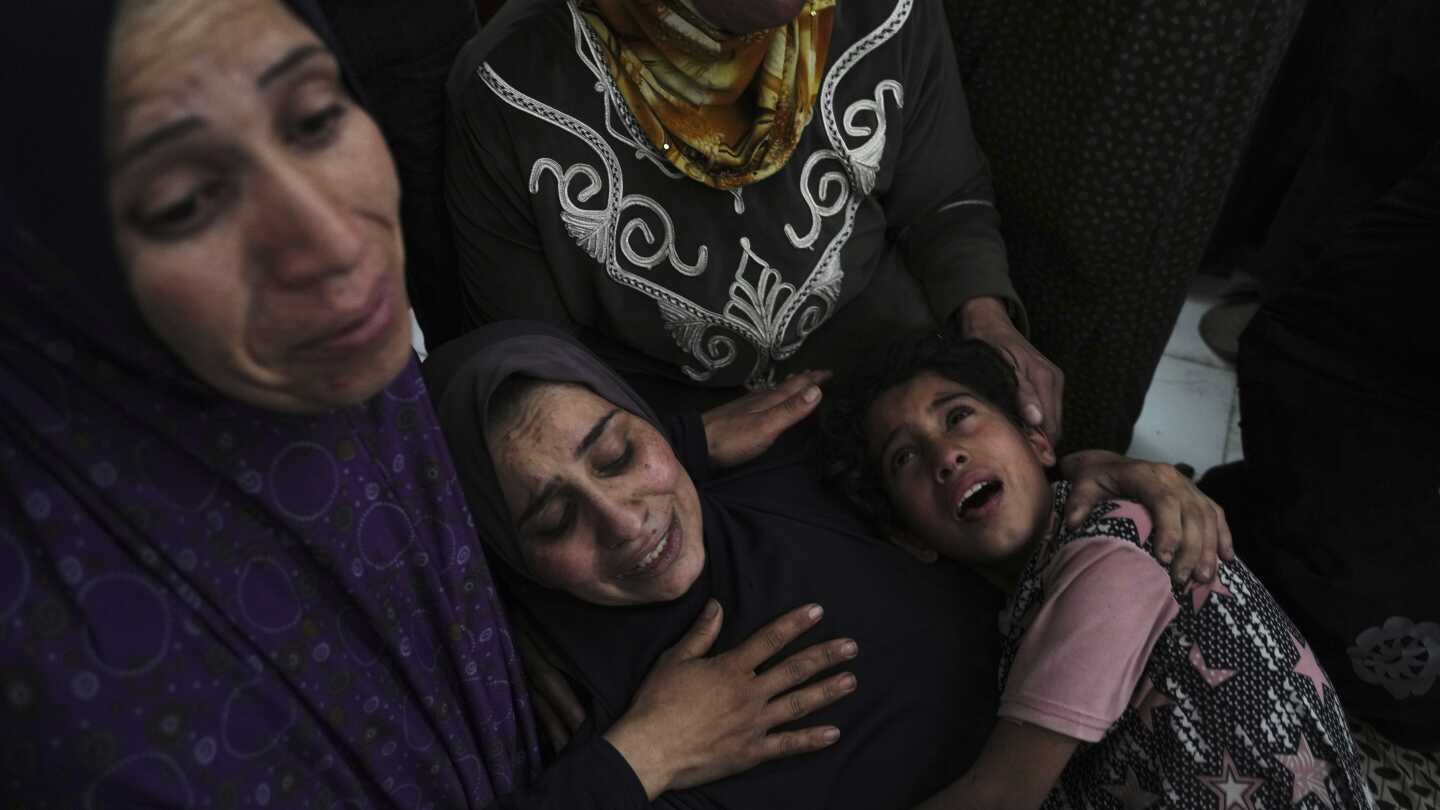
Netanyahu’s announcement came just after Defense Minister Israel Katz revealed plans to seize additional territories within Gaza, further intensifying the ongoing conflict. According to Palestinian health officials, Israel’s airstrikes this week have resulted in the deaths of over 40 Palestinians, including women and children, as Israel seeks to pressure Hamas into relinquishing hostages and disarming.
As the conflict stretches into its 18th month, Israel remains steadfast in its commitment to escalate military actions until Hamas meets their demands for the return of several remaining captives. The country ended a ceasefire last March, implementing a blockade on critical supplies including food, fuel, and humanitarian aid amid growing international concerns for civilian welfare.
With an emphasis on securing the area further, Netanyahu conveyed the urgency of their actions, stating, “We are cutting up the strip, and we are increasing the pressure step by step.” Alongside destruction and loss of lives, Israel’s intensified operations have led to a spike in displacement, with over 60% of Gaza now deemed a “no-go” zone according to the United Nations.
The moral implications of such conflict resonate deeply with the teachings of Jesus, who emphasized love, compassion, and the protection of the vulnerable. In Matthew 5:9, Jesus teaches, "Blessed are the peacemakers, for they will be called children of God." This powerful principle resonates in the face of unrelenting violence and suffering, reminding us of the call to seek peace rather than conflict.
Moreover, humanitarian organizations, including the United Nations, report that many civilians find themselves trapped in dangerous conditions, often not having the choice to flee. With nearly 90% of Gaza’s population displaced at the height of the conflict, the humanitarian needs become more pressing. Refugees take shelter in makeshift accommodations, yet still remain vulnerable to further violence.
Concerns for the hostages held by Hamas dominate the discourse, highlighting the urgency of negotiations amid the chaos. Families of those taken captive are calling for immediate action to prioritize the safe return of loved ones. The escalation in military operations raises alarms among many in Israel, who fear the risks posed to hostages may overshadow the military objectives.
As the situation evolves, both Israelis and Palestinians face immense trials, urging a collective reflection on the urgent need for dialogue, reconciliation, and a path toward lasting peace. The potential for hope, even amidst despair, embodies the essence of biblical teachings of love and neighborly compassion.
In this context, surrendering to despair is not a viable option. Instead, the call remains to pursue peace and seek understanding, underscoring the timeless lesson found in Romans 12:18: "If it is possible, as far as it depends on you, live at peace with everyone."
As we reflect on these events, let us consider how we can contribute positively to peace in our communities, advocating for compassion and understanding in times of conflict and division. Each of us carries the potential to be a peacemaker in our surroundings, encouraging conversations that build bridges rather than walls.
Explore and dig up answers yourself with our BGodInspired Bible Tools! Be careful – each interaction is like a new treasure hunt… you can get lost for hours 🙂



