 0
0
 0
0
Spiritual Devotional about Spiritual Pilgrimages
Embarking on a Spiritual Pilgrimage: A Journey of Faith and Discovery
Hello dear friends!
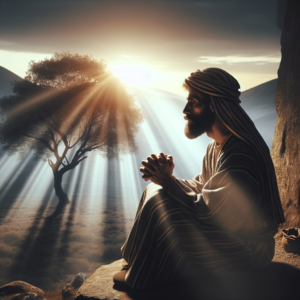
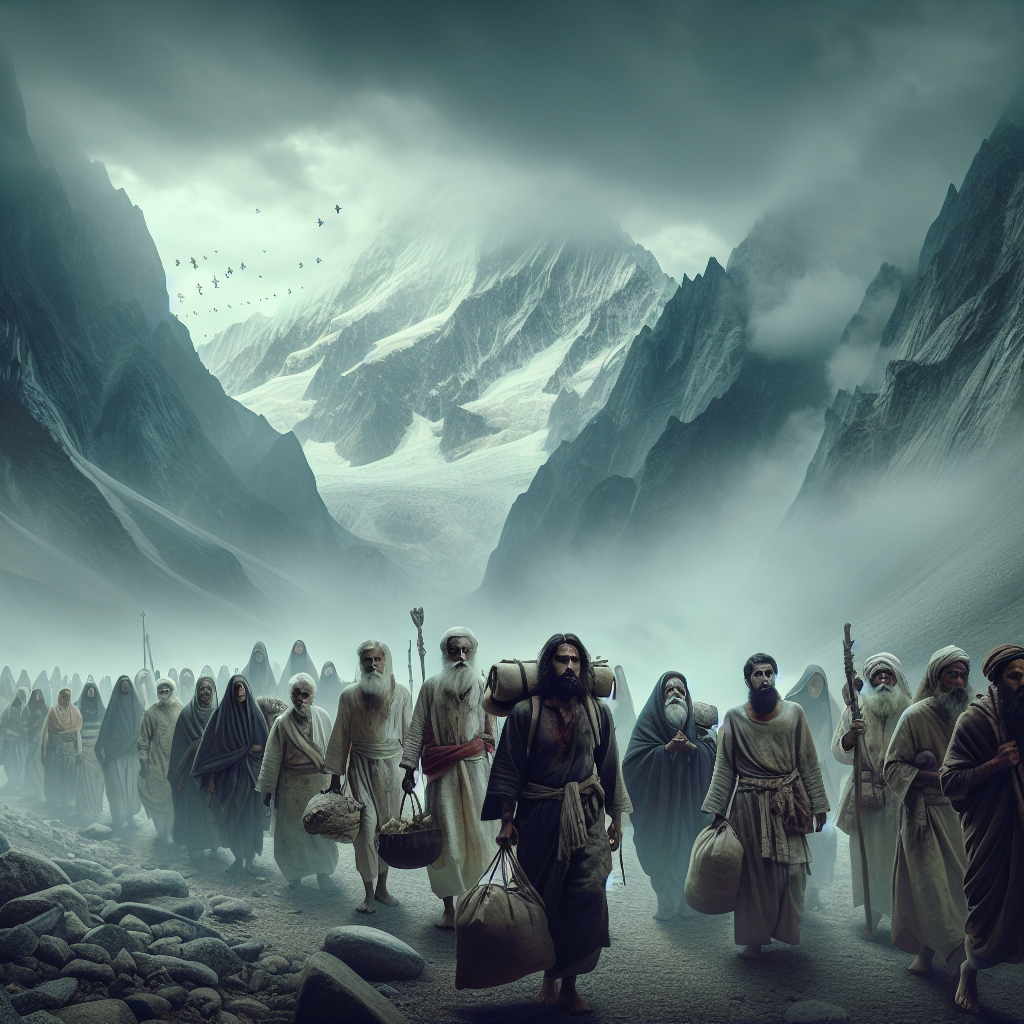
Today, we embark on a topic close to many hearts: the transformative journey of a spiritual pilgrimage. Whether it’s walking the ancient paths trodden by saints, visiting sacred sites that hold centuries of prayer, or finding a quiet space within to connect deeply with the Divine, pilgrimages are profound adventures of the spirit. Let’s explore the wonder and joy that such experiences bring and see how they reflect beautiful Biblical principles!
The Call to Journey
In our fast-paced world, there exists a timeless invitation to pause, step away from the ordinary, and embark on a pilgrimage. Biblically, journeys of faith have been intrinsic to spiritual growth and transformation. Consider Abraham, who left his homeland in response to God’s call, venturing into the unknown with trust as his guide. Or think of the Israelites, wandering through the wilderness, discovering divine provision each step of the way. Their stories tell us that God often leads His people into journeys that stretch and grow them.
Sacred Moments of Encounter
Pilgrimages are not just physical journeys; they are heart-led missions toward spiritual renewal. When we step onto the path with intention, each moment becomes ripe with opportunity to encounter God. This mirrors the journey of the magi in Matthew 2:1-12, who traveled far distances, led by a star, to bring gifts to the little King born in Bethlehem. Their pilgrimage underscores a profound truth: every journey made in faith is met with divine presence and revelation.
Walking with Purpose
Whether it’s the Camino de Santiago in Spain, the Via Francigena leading to Rome, or a personal retreat in a local sanctuary, pilgrimages help us strip away distractions and attune our senses to the Spirit’s whisper. Walking with purpose reminds us of Hebrews 12:1-2, where we are called to run the race set before us, fixing our eyes on Jesus, the pioneer and perfecter of faith.
Transformative Change
When we return from a pilgrimage, we often come back refreshed, realigned, and transformed. This echoes the journey of Paul in Acts 9, whose encounter with Jesus on the road to Damascus revolutionized his life, mission, and understanding of God’s grace. Pilgrimages open our hearts to divine transformation, enabling us to surrender our burdens and embrace God’s path with renewed vigor and joy.
An Invitation to You
Here’s my encouragement to each of you: consider making a pilgrimage of your own. It might not mean traveling to a distant land; sometimes the most profound pilgrimages are those of the heart, in prayer and reflection, right where you are.
Reflect on Psalm 84:5, “Blessed are those whose strength is in you, whose hearts are set on pilgrimage.” Allow your heart to be set towards times of reflection and sacred journeying, knowing that every step taken in faith opens new vistas of understanding and closeness with the Divine.
Let’s embrace these sacred pilgrimages with joy, anticipating the beauty, challenge, and divine encounters they promise. As you walk these blessed paths, know you are held, guided, and deeply loved by a God who is ever with you.
In faith and adventure,
[Your Name]
Explore and dig up answers yourself with our BGodInspired Bible Tools! Be careful – each interaction is like a new treasure hunt… you can get lost for hours 🙂
Q&A about Spiritual Pilgrimages
Certainly! Below is a sample Q&A based on the topic of spiritual pilgrimages:
Q1: What is a spiritual pilgrimage?
A1: A spiritual pilgrimage is a journey undertaken by individuals or groups, often to a sacred site, for the purpose of spiritual growth, reflection, or fulfillment of religious duties. These journeys can lead to personal transformation, deeper insight into one’s faith, and a closer connection to the divine or one’s spiritual beliefs.
Q2: What are some of the most famous spiritual pilgrimage sites around the world?
A2: Some renowned spiritual pilgrimage sites include:
- Mecca, Saudi Arabia: The holiest city in Islam, where millions undertake the Hajj pilgrimage annually.
- Santiago de Compostela, Spain: Known for the Camino de Santiago, a Christian pilgrimage to the shrine of the apostle Saint James.
- Varanasi, India: One of Hinduism’s seven sacred cities, often visited by pilgrims seeking to practice rituals on the Ganges River.
- Lourdes, France: Famous for the Marian apparitions of Saint Bernadette, it attracts numerous Catholic pilgrims seeking healing.
- Bodh Gaya, India: The site where Siddhartha Gautama, the Buddha, attained enlightenment.
Q3: What should one prepare for when undertaking a spiritual pilgrimage?
A3: Preparing for a spiritual pilgrimage involves both practical and spiritual considerations:
- Research the Site: Learn about the history, significance, and customs of the pilgrimage site.
- Physical Preparation: Depending on the journey’s demands, physical fitness may be important, as some pilgrimages require significant walking or hiking.
- Spiritual Readiness: Engage in personal reflection or prayer to set intentions and open oneself to the experience.
- Logistics: Arrange for accommodation, understand travel requirements, and, if needed, secure any necessary permissions or visas.
Q4: How can a spiritual pilgrimage impact an individual’s life?
A4: A spiritual pilgrimage can have profound effects on an individual’s life, such as:
- Enhanced Spiritual Connection: Deepens one’s faith and fosters a stronger relationship with the divine or spiritual beliefs.
- Personal Growth: Encourages self-reflection, leading to personal insights and transformations.
- Community and Friendship: Offers opportunities to connect with other pilgrims, fostering a sense of belonging and shared purpose.
- Healing: Some find physical or emotional healing through the spiritual practices and rituals performed during the pilgrimage.
Q5: How do modern pilgrimages differ from historical ones?
A5: Modern pilgrimages often reflect changes in transportation, accessibility, and cultural practices:
- Travel: Advances in transportation have made long-distance travel more accessible and less time-consuming.
- Accommodations: Pilgrims have more options for lodging, from hotels to dedicated pilgrim hostels.
- Technology: Many pilgrims utilize apps and digital maps to navigate routes, unlike historical pilgrims who relied on word-of-mouth and simple maps.
- Inclusivity: Modern pilgrimages may be more inclusive, with increased participation from diverse faith backgrounds and secular individuals seeking meaningful experiences.
Feel free to modify or expand upon this Q&A to suit specific needs or interests!