 0
0
 0
0
Bats Exhibit Unique Immune Adaptations that May Hold Keys to Viral Disease Management
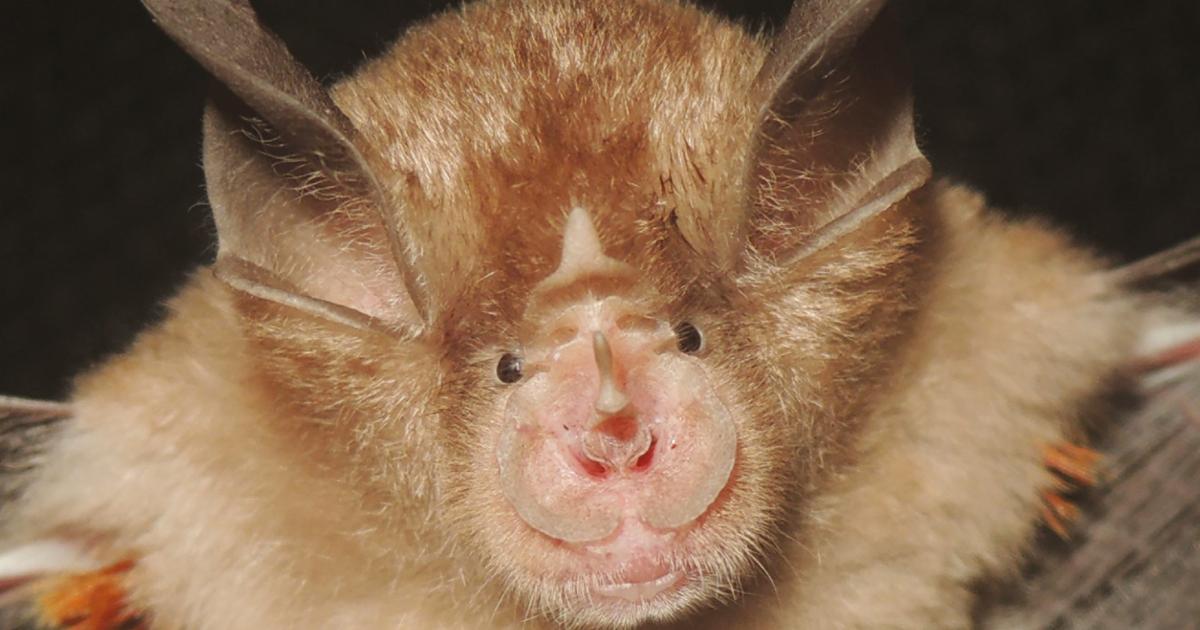
In a groundbreaking study published in the journal Nature, researchers have revealed that bats exhibit exceptional genetic adaptations in their immune systems that enhance their ability to tolerate viruses, including those closely linked to human pandemics like COVID-19. This fascinating discovery underscores the role these remarkable creatures may play in advancing medical research and combating viral diseases.
The study, part of the ambitious “Bat1K” project, comprises an international consortium of over 60 researchers dedicated to sequencing high-quality genomes from various bat species. The findings highlight that bats possess more immune gene adaptations than any other mammals, offering profound insights into their unique biology. Such evolutionary advantages could pave the way for innovative strategies to manage viral diseases in humans.
The Blessing of Curiosity in Creation
Bats, as the only mammals capable of sustained flight, are not only critical to ecosystems through pollination and insect population management, but they also possess unparalleled abilities like ultrasonic echolocation. This adaptability illustrates how intricately woven creation is, sparking curiosity and wonder about the complexities of life that God designed.
Interestingly, the ISG15 gene found in some bat species can reportedly decrease the production of SARS-CoV-2 by up to 90%. This discovery points to the convergence of evolution and divine design, as the common ancestor of bats was found to have an unexpectedly high number of immune genes with selection signatures, suggesting a remarkable evolutionary response intertwined with their ability to fly. Professor Sonja Vernes, co-director of the Bat1K project, expressed excitement over how these findings could illuminate paths for future research. She emphasized that studying bats can enhance our understanding of fundamental biological principles and lead to transformative medical breakthroughs.
Insights of Faith from Nature
In the Bible, we are reminded in Psalm 139:14, “I praise you because I am fearfully and wonderfully made; your works are wonderful, I know that full well.” This verse reflects the notion that every creature, including bats, plays a unique role in the tapestry of life that God has created. Our exploration into the immune systems of these flying mammals not only fosters scientific advancements but also serves as a profound reminder of God’s intricate craftsmanship in nature.
Bats, often demonized for their association with diseases, are now being recognized as harbingers of hope. The potential medical advancements derived from their genetic adaptations beckon us to look beyond surface perceptions and appreciate the inherent value and purpose all creatures hold in the larger design of life.
As we ponder this research, it invites a deeper reflection on how God has equipped many parts of His creation with distinct roles that can lead to healing and knowledge.
An Encouraging Takeaway
The genome analysis of bats not only propels us toward promising medical innovations but also serves as a reminder that there can be potential and wisdom within what we may initially view as threatening or unordinary. It challenges us to embrace a more holistic view of creation, recognizing that every creature may possess the capacity to contribute to our greater understanding of health and life.
As we engage with the world around us, let us remember the beauty of discovery and the wisdom it brings. In exploring new frontiers within creation, we reflect the values of curiosity and stewardship taught by Jesus, urging us to seek understanding and compassion in all things.
Explore and dig up answers yourself with our BGodInspired Bible Tools! Be careful – each interaction is like a new treasure hunt… you can get lost for hours 🙂