 0
0
 0
0
Exploring the Slow Carb Diet: What You Need to Know
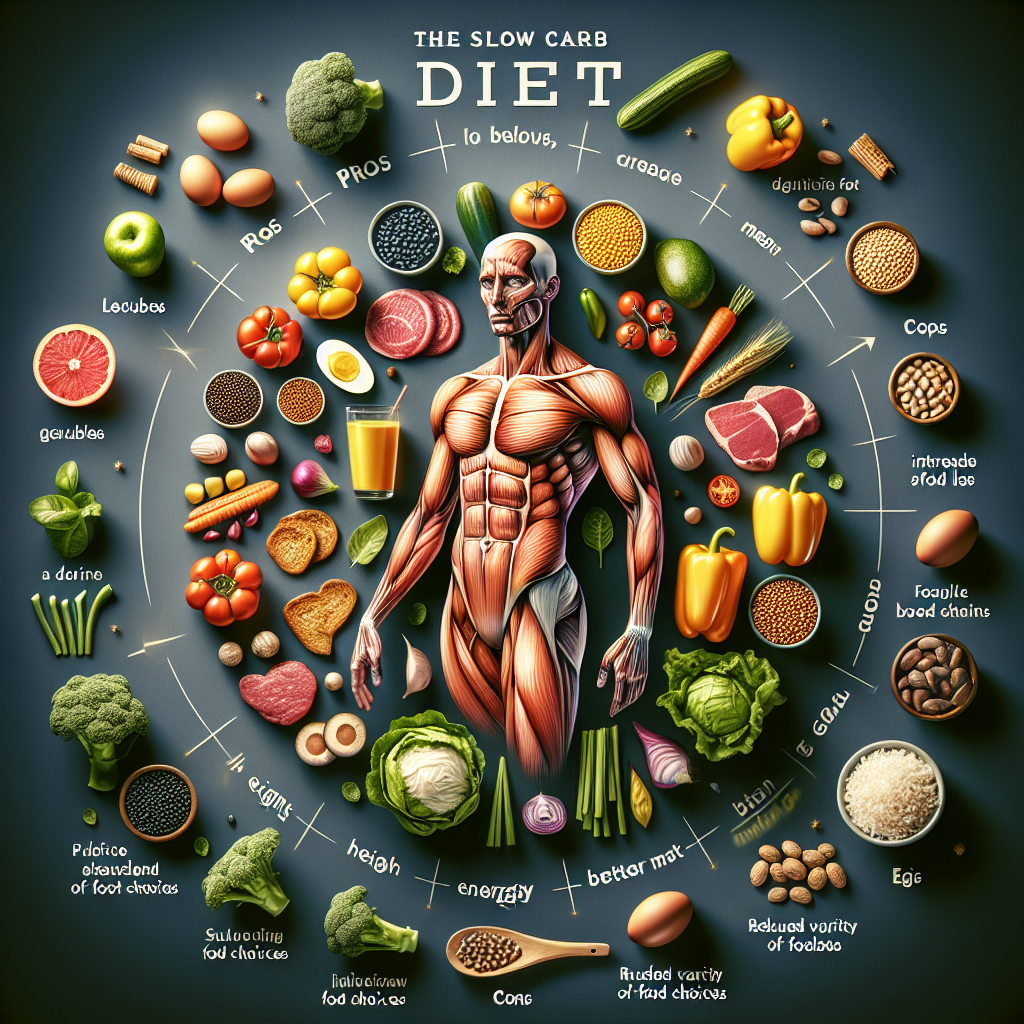
In a world overflowing with diet trends, the Slow Carb Diet stands out for its structured approach, emphasizing protein while minimizing carbohydrates. Created by entrepreneur Timothy Ferriss in 2010 and popularized in his bestseller The 4-Hour Body, this diet encourages followers to overhaul their eating habits with specific guidelines on food choices, meal preparation, and even supplements. But how does this diet stack up against traditional dietary advice–or even biblical wisdom?
The Slow Carb Diet adheres to five core rules, which promote a significant reduction of refined carbohydrates, the consumption of protein-rich meals, and a focus on legumes and vegetables. Dieters are urged to ban "white" carbohydrates—including bread, pasta, and grains—aiming instead for foods like eggs, chicken, lentils, and a variety of vegetables. Unlike many high-protein diets, the Slow Carb Diet allows one cheat day each week, where followers can indulge without restrictions.
Ferriss asserts that participants can lose between 10 to 20 pounds, even without exercise, simply by sticking to these guidelines. Critics, however, point out the potential drawbacks of such a strict regimen. Nutritionists note concerns about the exclusion of certain food groups, such as fruits and dairy, which provide essential nutrients. For instance, Scott Keatley, R.D., highlights the risks of demonizing healthy foods, suggesting that true wellness encompasses a variety of food choices.
Reflecting on this dietary approach through a Christian lens invites deeper consideration of stewardship over one’s body. The Bible teaches, “Do you not know that your bodies are temples of the Holy Spirit, who is in you, whom you have received from God? You are not your own; you were bought at a price. Therefore honor God with your bodies” (1 Corinthians 6:19-20). This verse nudges us toward the understanding that caring for our physical health serves a higher purpose—not just weight loss or aesthetic goals but honoring God in our choices.
As the Slow Carb Diet emphasizes routine and simplicity, it can be seen as an attractive option for those seeking control over their eating habits. Yet, the potential monotony and rigidity could also lead some to feel suffocated by a lack of variety. Just as we are called to balance our spiritual lives, wellness practices should invite a holistic approach that acknowledges diversity in our diets.
Moreover, as Keri Gans, R.D.N., mentions, the initial restricted menu can foster adherence, but burnout may follow as choices dwindle. It raises the question: can we honor God while also eating in a way that supports our mental and emotional well-being?
In evaluating the benefits versus drawbacks of the Slow Carb Diet, it is essential to consider both physical health and spiritual vitality. Instead of adopting a strict regimen that limits joy in eating, perhaps a more balanced approach, rich in variety and nourishment, can lead to both health and divine honor.
As you reflect on your own dietary choices, remember that the aim is not mere weight loss but a commitment to a lifestyle that nurtures both body and spirit. Eating can be a practice of gratitude, celebrating the flavors and variety of God’s creation. Let your meals be an opportunity to express thankfulness for both the food that nourishes you and the spirit that shapes you.
Encouraging Takeaway: In all your choices—dietary or otherwise—seek a path of balance and gratitude. Allow your eating habits to be a reflection of your commitment to stewardship and divine honor. In doing so, you can cultivate a healthy body that serves your overall purpose in life—a beautiful intertwining of faith and wellness.
Explore and dig up answers yourself with our BGodInspired Bible Tools! Be careful – each interaction is like a new treasure hunt… you can get lost for hours 🙂