 0
0
 0
0
New Study Reveals RNA, Not DNA, as the Key Player in Sunburn Damage
Researchers Challenge Long-Held Beliefs About UV Radiation Effects on Skin
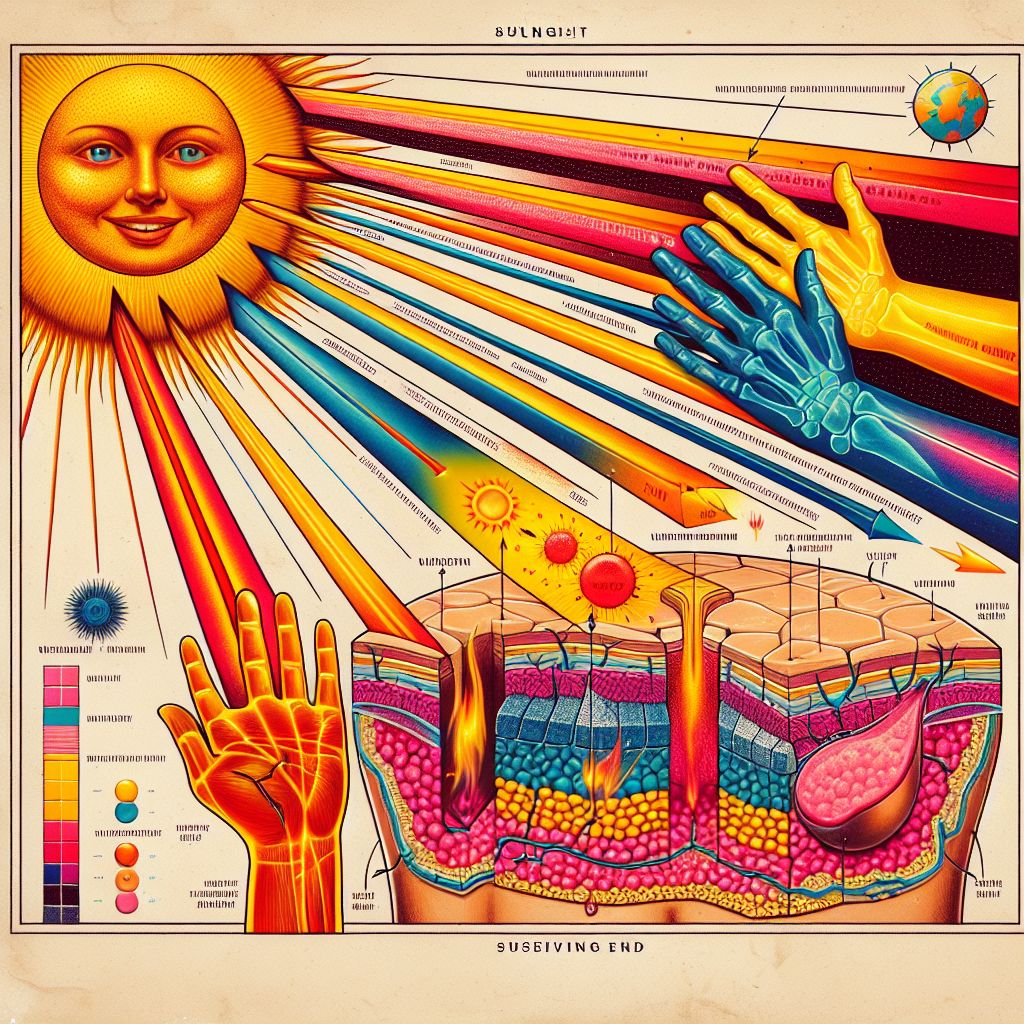
In a groundbreaking discovery, scientists from the University of Copenhagen and Nanyang Technological University (NTU Singapore) have identified that ribonucleic acid (RNA), rather than the traditionally blamed deoxyribonucleic acid (DNA), may be the main culprit behind the acute effects of sunburn. This finding not only reshapes our understanding of how sun exposure affects our skin but also challenges long-standing beliefs within scientific literature.
Most people are familiar with the typical sunburn narrative: spend too long under the sun without protection, experience painful redness, and assume that DNA damage is primarily responsible for these reactions. However, this new research divulges a more intricate interplay at the cellular level. Assistant Professor Anna Constance Vind, a cell biologist at the University of Copenhagen, stated, "The textbooks say DNA damage triggers inflammation and subsequent cell death. But we were surprised to learn that this is a result of damage to the RNA, not the DNA."
Deciphering the Role of RNA
Understanding the difference between DNA and RNA is crucial. While DNA serves as the long-term storage of genetic information, RNA acts as the messenger, facilitating the creation of proteins essential for cellular functions. This dynamic role of RNA allows it to respond swiftly to cellular stress, such as damage from ultraviolet (UV) radiation.
In the study, researchers examined the cellular responses to UV exposure in both human skin cells and mice, discovering a consistent pattern: damage to RNA rather than DNA prompts the skin’s inflammatory response and cell death. This revelation can alter future strategies for preventing and treating sunburn, suggesting potential new therapies for inflammatory skin conditions exacerbated by sun exposure. Professor Simon Bekker-Jensen remarked, “This finding alters our perceptions of sunburn and may influence the development of effective treatments for chronic skin diseases.”
A Reflection on Protection and Stewardship
This new understanding brings to mind the biblical principle of stewardship over our bodies, as articulated in 1 Corinthians 6:19-20, which reminds us that our bodies are temples of the Holy Spirit. Therefore, we hold a responsibility to protect ourselves, including through smart sun exposure practices, such as wearing sunscreen and protective clothing. Just as knowledge leads to a deeper appreciation for the complexity of our bodies, understanding the science behind sunburn empowers us to take informed actions that align with both our health and spiritual ideals.
Encouragement to Reflect and Reassess
As we marvel at this new scientific insight, we are invited to reflect on the larger purpose of our lives. Just as our skin responds to harmful agents, our hearts and souls are also susceptible to life’s stresses and strains. Recognizing the importance of nurturing our well-being and the well-being of others reminds us of the call to love and protect one another, as Jesus taught: “Love your neighbor as yourself” (Mark 12:31).
Let this discovery about RNA and sunburn inspire curiosity about how we can better care for ourselves and those around us, reinforcing the notion that knowledge and understanding should lead to thoughtful action. Embrace this paradigm shift not only as a scientific breakthrough but as a reminder of the gracious duty we hold in honoring our bodies and extending kindness in our community.
As you reflect on these insights, consider ways you might incorporate healthier practices into your daily life, fostering a spirit of stewardship akin to the beautiful teachings of Jesus.
Explore and dig up answers yourself with our BGodInspired Bible Tools! Be careful – each interaction is like a new treasure hunt… you can get lost for hours 🙂