 0
0
 0
0
Spiritual Devotional about Spirituality vs. Religion
Finding Harmony: Spirituality vs. Religion
Hello, dear friends! I hope this post finds you filled with light and joy today. Our topic is one that I find both fascinating and deeply enriching: the relationship between spirituality and religion. These two concepts, while intertwined, can sometimes cause confusion or even division. Yet, when understood in harmony, they can greatly enrich our journey of faith.
Understanding Spirituality and Religion
At its core, spirituality is about seeking a deeper connection with the divine, yearning for a profound sense of purpose, and striving to understand the mysteries of life. It’s a personal quest for meaning, an inner awakening that can take many forms. The Apostle Paul gives us a glimpse of this when he writes, "For in him we live and move and have our being" (Acts 17:28, NIV). Spirituality is the acknowledgment that God’s presence is ingrained in every aspect of our existence.
On the other hand, religion often refers to the structured beliefs, practices, and rituals that help us express and nurture our spirituality. It’s the community aspect, the shared journey of faith as highlighted by the writer of Hebrews, "And let us consider how we may spur one another on toward love and good deeds, not giving up meeting together" (Hebrews 10:24-25, NIV). Religion, when done right, provides us with a supportive community and timeless wisdom to guide us.
Choosing Harmony Over Division
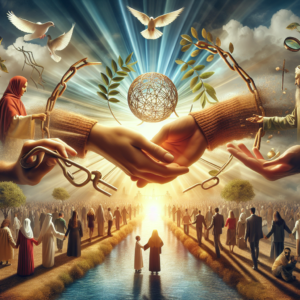
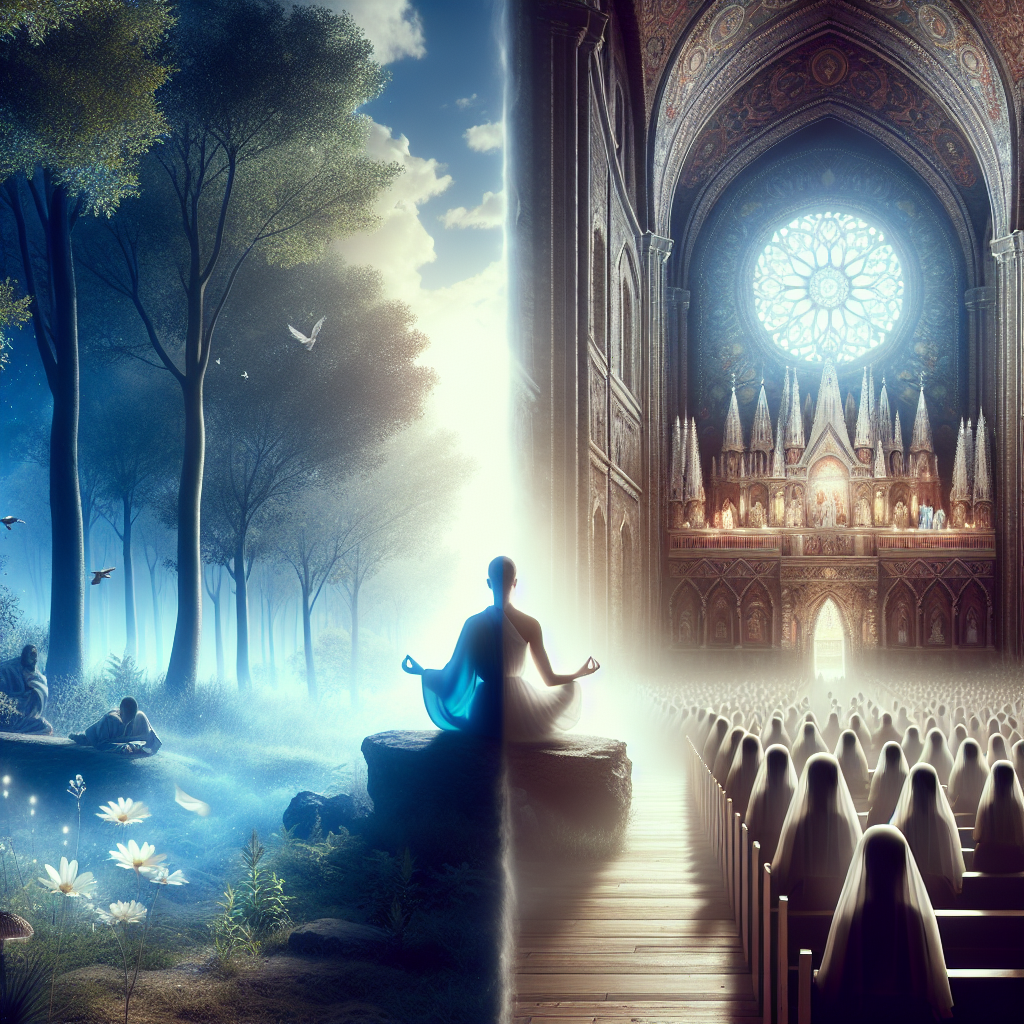
While these two paths might seem separate, they share a common aim: to draw us closer to God and fill our lives with love and grace. We shouldn’t see it as spirituality vs. religion, but rather, how can they complement one another to fulfill our divine calling?
Consider this: God calls each of us by name, with unique gifts and purposes. Whether you find that call through personal spiritual practices like prayer and meditation, or through communal worship and the sacraments, the ultimate goal remains the same: to love God and to love others.
Encouraging Unity
Remember Paul’s words in 1 Corinthians 12, where he speaks of the body of Christ being made up of many parts, yet forming one body. Just as our spiritual and religious experiences may vary, they contribute to the richness of our shared faith journey. Celebrating these differences can lead us to a deeper understanding and a more profound unity in the body of Christ.
Taking Steps Towards Harmony
-
Embrace Exploration: Allow yourself the freedom to explore both your inner spiritual life and the practices of your faith community. Let them inform and inspire one another.
-
Seek Understanding: Engage in conversations with others who may have different experiences. Ask questions and share insights. You’d be surprised how much you’ll grow.
-
Focus on Love: At the heart of both spirituality and religion is the call to love. Always return to this central commandment Jesus gave us: "Love each other as I have loved you" (John 15:12, NIV).
-
Practice Gratitude: Each day, find moments to thank God for the unique path you’re on. Whether through silent prayer in the early morning or a song shared with your congregation, gratitude aligns your heart with God’s grace.
Let us remember that both spirituality and religion are gifts from God, designed to lead us into deeper relationships with Him and one another. Let’s walk this path with open hearts, encouraging one another and celebrating the wonderful tapestry of faith we all share. May your journey be blessed with peace, joy, and an abundance of love!
Until next time, stay blessed and keep shining your light.
In love and faith,
[Your Name]
Explore and dig up answers yourself with our BGodInspired Bible Tools! Be careful – each interaction is like a new treasure hunt… you can get lost for hours 🙂
Q&A about Spirituality vs. Religion
Certainly! Here’s a Q&A exploring the themes and differences between spirituality and religion:
Q: What is spirituality?
A: Spirituality is a broad concept often described as a sense of connection to something greater than oneself, which can involve a search for meaning in life. It may encompass experiences of awe, inner peace, interconnectedness, and purpose. Spirituality is individualistic and can be practiced outside the confines of organized religion.
Q: How does religion differ from spirituality?
A: Religion is a structured system of beliefs, practices, and ethics shared by a community, often centered around a faith in a divine being or beings. It typically involves formal rituals, scriptures, and a moral code. Spirituality, on the other hand, is more about personal experience and growth, without the necessity of communal worship or adherence to specific doctrines.
Q: Can someone be spiritual without being religious?
A: Yes, a person can be spiritual without being religious. They might seek a personal understanding of life’s big questions or find meaning through meditation, mindfulness, nature, or personal reflection. Many people explore spirituality in a secular way, focusing on personal transformation rather than religious traditions.
Q: Is it possible to be religious without being spiritual?
A: It is possible for someone to participate in religious activities, follow traditions, and identify with a particular religious group without feeling a strong sense of spiritual connection or personal transformation. This might occur when cultural or familial reasons drive religious involvement, rather than personal belief or spiritual experience.
Q: How do spirituality and religion influence morality?
A: Both spirituality and religion can influence an individual’s moral framework. Religion often provides explicit moral guidelines and commandments through sacred texts and teachings. Spirituality might inspire moral behavior through internal insights, empathy, and a sense of unity with the world. Both can motivate individuals to lead ethical lives, though through different channels.
Q: Can spirituality and religion coexist in an individual’s life?
A: Absolutely. Many people identify as both spiritual and religious, finding meaning and purpose through their religious practices while also experiencing personal spiritual growth. Religion can provide a community and resources for spiritual exploration, while spirituality can deepen personal understanding and connection within religious contexts.
Q: How do spirituality and religion address life’s big questions?
A: Spirituality encourages individuals to explore life’s big questions through personal reflection, intuition, and experience, often focusing on the journey rather than definitive answers. Religion provides answers to these questions through sacred texts, doctrines, and the teachings of religious leaders, offering a sense of certainty and community around shared beliefs.
Q: What are some ways to practice spirituality outside of religion?
A: Some ways to practice spirituality outside of organized religion include meditation, yoga, mindfulness practices, spending time in nature, journaling, practicing gratitude, engaging in artistic pursuits, or participating in community service. These practices can foster a deeper sense of connection and understanding of oneself and the world.
These questions and answers should provide a clearer understanding of the nuances between spirituality and religion while highlighting how they can relate to different aspects of life and personal development.