 0
0
 0
0
FDA Announces Ban on Red Dye 3: A Step Towards Safer Foods
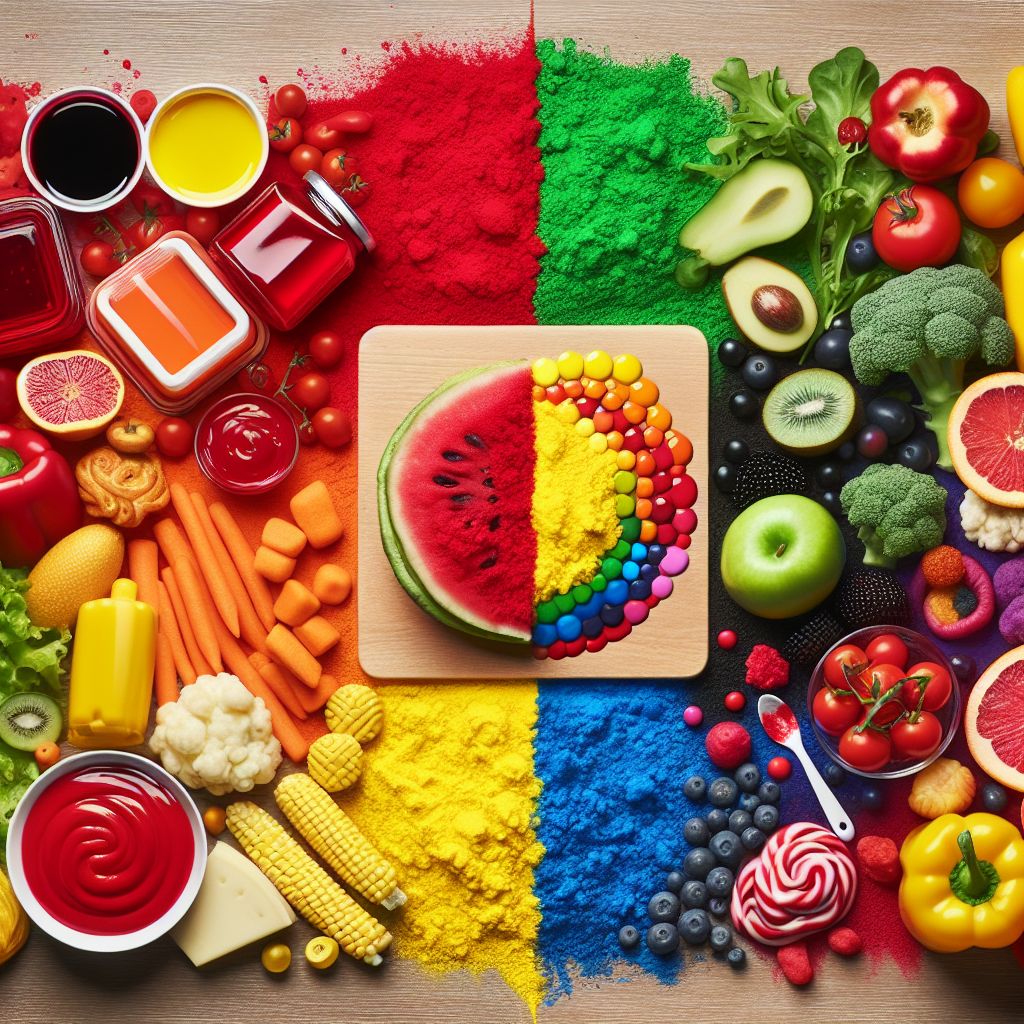
In a significant move that could affect countless food products, the U.S. Food and Drug Administration (FDA) has announced plans to ban “red number 3,” a petroleum-based color additive commonly used to give food and drinks a vibrant red hue. This decision comes amid growing concerns over the potential health risks associated with the substance, including links to thyroid tumors in animal studies and adverse neurological effects in children.
Manufacturers will be required to reformulate their products by January 2027, allowing ample time to remove this controversial dye from our grocery shelves. But what does this mean for consumers and the food industry at large?
What’s Behind the Ban?
Health professionals and food safety advocates have long criticized red dye 3, pointing out that its use could have serious implications, particularly for children. Pediatric dietician Ashley Amith highlights studies suggesting that red dye may influence behavior and cognitive functions in children, raising alarms for parents and caregivers.
“As food dyes don’t offer any nutritive value and are primarily there for aesthetic appeal, their presence in children’s diets does raise ethical questions about food marketing to young audiences,” Amith noted. This sentiment echoes broader concerns that unhealthy ingredients are marketed under a guise of visual appeal, potentially steering families away from wholesome eating practices.
It’s noteworthy that several states have already acted to ban red dye 3, and the dye has not been allowed in cosmetics since 1990. Dr. Adan Alvarez points out that the initial approval for use in food predated many significant health studies, signifying a critical reevaluation of regulatory standards in light of current research.
A Victory for Food Safety Advocates
The FDA’s recent decision is a considerable victory for many advocacy groups who have been urging the agency to take action for years. Their campaign has highlighted the presence of red dye 3 in various products—ranging from popular candies to baking mixes, often without clear labeling. As food manufacturers prepare to comply with these new regulations, consumers are encouraged to educate themselves about what’s in their food.
As we navigate this new terrain, it’s also vital to reflect on our biblical values regarding the choices we make. The Bible teaches us to honor our bodies as temples of the Holy Spirit (1 Corinthians 6:19-20), which encourages a thoughtful approach to what we consume.
Navigating Change with Grace
While the ban offers an opportunity to replenish our cupboards with healthier alternatives, it’s important not to let the presence of food dyes cause undue stress. Amith suggests that striving for balance and moderation is key: “It’s vital to model a healthy relationship with food rather than fixating on fear.”
As we consider our consumption patterns, we can turn to the biblical wisdom found in Philippians 4:8, which encourages us to think about whatever is true, noble, right, pure, lovely, and admirable. This invites us to reflect not just on what we eat, but also on how our choices align with our values and beliefs.
In conclusion, as we face changes in food regulation and strive for healthier lifestyles, let us remember to approach these transitions with prudence and faith, ensuring that our dietary choices reflect our commitment to nurturing our bodies and honoring God in all we do. Let this decision remind us of the importance of caring for our well-being, both physically and spiritually, as we seek to make informed choices for ourselves and our families.
Explore and dig up answers yourself with our BGodInspired Bible Tools! Be careful – each interaction is like a new treasure hunt… you can get lost for hours 🙂