 0
0
 0
0
Impeachment Trial of South Korean President Yoon Suk Yeol: A Nation in Turmoil
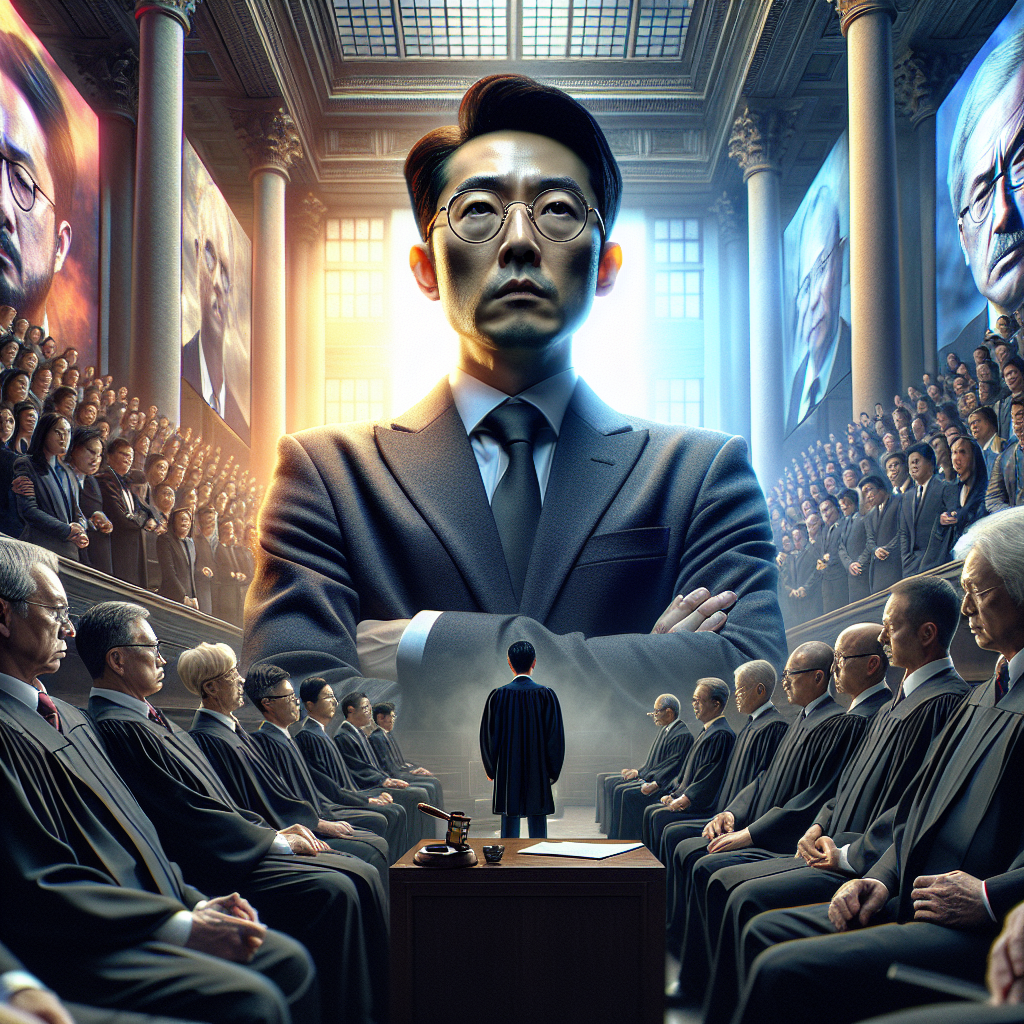
Seoul, South Korea — South Korea finds itself at a pivotal moment in its democratic journey as President Yoon Suk Yeol’s impeachment trial begins amid his controversial declaration of martial law. Yoon’s absence from the trial’s opening day has heightened tensions, delaying what promises to be a dramatic political showdown and leaving the country on edge.
After weeks of evading arrest, Yoon, once a prosecutor and now a suspended leader, remains secured within his fortified residence. This follows a declaration of martial law in December that sparked nationwide protests and public outcry, leading to the largest political crisis South Korea has faced in decades.
The National Assembly’s decision to impeach Yoon came after allegations of insurrection and abuse of power, offenses that could lead to severe consequences, including life imprisonment. The country’s Constitutional Court now holds the responsibility of deciding whether he will be formally removed from office or reinstated.
Although the court session on Tuesday lasted only four minutes, it marked the beginning of a crucial process for the future of South Korean democracy. Lee Kwang-beom, a lawyer for the parliamentary impeachment panel, called for a swift resolution that would restore constitutional order and economic stability. Yoon has indicated through his attorney concerns for his safety if he complies with court orders, further complicating the events as multiple investigations continue to unfold.
As Yoon maintains that his actions were justified, surrounded by supporters rallying outside his residence, there is palpable tension. Investigators remain determined to execute an arrest warrant, the first of its kind against a sitting president, indicating the gravity of the situation.
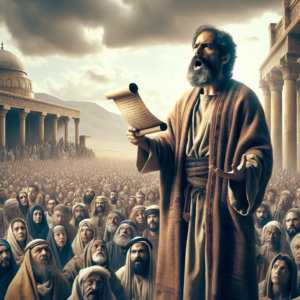
This tumultuous environment echoes biblical principles regarding leadership, accountability, and the pursuit of justice. As Romans 13:1 states, “Let everyone be subject to the governing authorities, for there is no authority except that which God has established.” This verse reminds us of the divine intention of governance, advocating for fairness and righteousness in leadership roles.
In light of this situation, believers and citizens alike are called to reflect on the qualities of good leadership, such as integrity, humility, and service to others. Yoon’s current plight serves as a reminder that power is a responsibility that should be wielded with wisdom rather than for personal gain.
As South Korea navigates this political crisis, one can consider the broader spiritual lesson: the importance of upholding truth and accountability in leadership. Whether in governance or personal conduct, these principles resonate deeply with teachings that encourage justice, mercy, and the pursuit of peace.
Ultimately, amid this chaos, this moment serves as an invitation for both leaders and citizens to introspect on their commitment to justice and integrity. As we observe events unfold, may we be inspired to cultivate an environment where accountability thrives, mirroring the higher call of ethical leadership and communal harmony found in the teachings of faith.
Explore and dig up answers yourself with our BGodInspired Bible Tools! Be careful – each interaction is like a new treasure hunt… you can get lost for hours 🙂