 0
0
 0
0
Short Bible Study with me about Micah 4:3
Introduction
Imagine a world where conflicts are resolved not with weapons but with wisdom, and peace reigns over all nations. It’s a dream that flickers in the hearts of many, envisioning a future filled with harmony, collaboration, and enduring peace. This isn’t just a lofty aspiration; it’s a promise rooted deeply in Scripture. In the book of Micah, we find a powerful message about this transformative peace, offering hope and practical guidance for our daily lives.
Micah’s prophetic vision isn’t merely a distant promise; it is an invitation to embody peace in our lives today. As we dive into Micah 4:3, let’s explore how this ancient prophecy can shape our modern world, inspiring us to be peacemakers in our families, communities, and beyond. Join us on this journey as we delve into the richness of peace foretold by the Prophet Micah—an exploration that promises to uplift your spirit and ignite your passion for change.
Bible Verse
Micah 4:3 (NIV): “He will judge between many peoples and will settle disputes for strong nations far and wide. They will beat their swords into plowshares and their spears into pruning hooks. Nation will not take up sword against nation, nor will they train for war anymore.”
Meaning
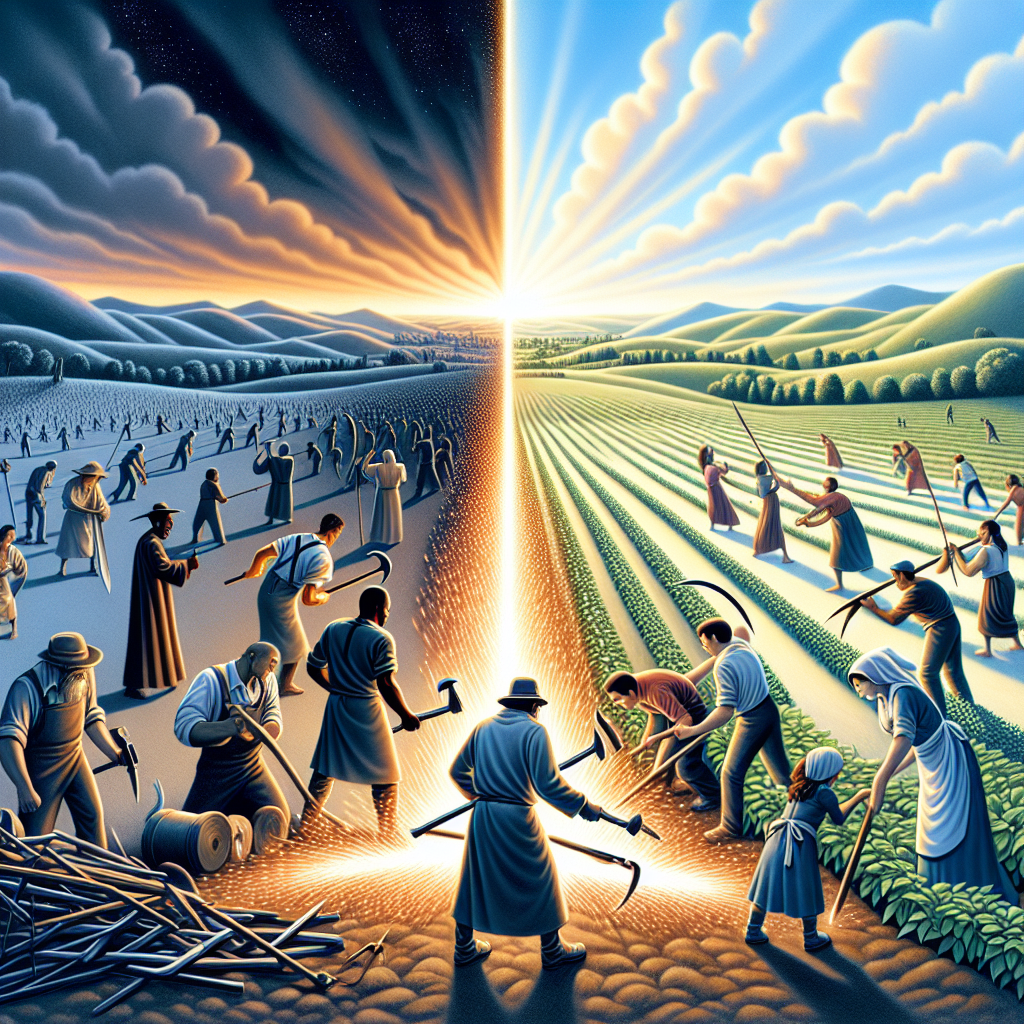
The passage from Micah offers a striking image of future peace and reconciliation—a world where conflicts are resolved with justice and understanding. Micah prophesies a time when God will arbitrate and settle disputes among nations, transforming tools of war into tools of cultivation. This profound metaphor indicates a shift from destruction to creation, symbolizing the ultimate peace that God intends for humanity.
In this vision, the transformation from swords to plowshares and spears to pruning hooks isn’t just about changing tools; it’s about changing hearts and minds. It speaks to the powerful peace that can reorder society and foster environments where life can flourish abundantly. This imagery challenges us to rethink our approaches to conflict, embracing dialogue and collaboration over aggression and division.
Moreover, Micah 4:3 is a prophetic promise of a messianic age—a time ushered in by Jesus Christ, the Prince of Peace. The fulfillment of this prophecy began with Christ’s message and mission and continues through the work of His followers today. It encourages believers to seek peace actively and to be agents of reconciliation in a divided world.
This passage assures us that peace is not only possible but inevitable in God’s perfect plan. As believers, we are called to participate in this divine work, transforming environments from hostility to harmony, and ushering in God’s promised peace.
Actions to Take
– Reflect on areas in your life where you can turn conflicts into opportunities for peace and growth.
– Practice active listening and empathy in your interactions with others to help resolve disagreements amicably.
– Engage in community service or peace-building activities that promote reconciliation and unity.
– Pray regularly for peace, both personal and global, trusting in God’s promise to resolve conflicts.
– Educate yourself about peacemaking strategies and techniques you can apply in your daily life.
Journal Prompts
1. In what areas of your life can you turn ‘swords’ into ‘plowshares’ by fostering peace instead of conflict?
2. Reflect on a time you witnessed reconciliation and what impact it had on you.
3. How can you contribute to God’s vision of peace in your community?
4. Describe a conflict that is currently affecting you and brainstorm peace-oriented solutions.
5. Write about a person who embodies peace and what you can learn from their example.
Prayer
Dear Heavenly Father, thank you for your vision of peace and the promise of a world reconciled through Your love. Help me to be a peacemaker in my everyday life, transforming conflicts into opportunities for growth and understanding. Guide my heart to embrace harmony, soften my words to inspire peace, and use my actions to bring about Your kingdom on earth. Amen.
Social Posts
– 🌍 “Imagine a world where swords become plowshares and spears turn to pruning hooks. It starts with us. #Micah4:3 #PeaceMakers”
– 🔄 “Transform conflict into collaboration and warfare into wisdom. Be part of the peace revolution today. #FromSwordsToPlowshares”
– 🙏 “Praying for peace isn’t passive—it’s powerful. Let’s be the change makers in our world. #JesusThePrinceOfPeace”
– 🌿 “God promises a time of unparalleled peace. How can you reflect that peace in your life today? #LiveTheProphecy”
– ✌️ “When nations no longer learn war, our actions will teach peace. Start your transformation journey today. #TeachPeace”
Conclusion
The message of Micah 4:3 is both a promise and a call to action. It’s an assurance of future peace and an exhortation to emulate that peace in our daily lives. As we commit to transforming conflict into growth, swords into plowshares, we take part in God’s redemptive work. Let this study inspire you to live out Micah’s vision, bringing hope and healing to a world in need.
Continue your Bible exploration with us at BGodInspired.com, and let these ancient words fuel present-day change. Immerse yourself in the transformative power of scripture, and together, let’s build a world aligned with God’s enduring peace.
Explore and dig up answers yourself with our BGodInspired Bible Tools! Be careful – each interaction is like a new treasure hunt… you can get lost for hours 🙂
Q&A about Micah 4:3
Certainly! Micah 4:3 is a verse from the Bible that speaks about peace and justice. Here’s a Q&A based on this verse:
### Q: What is the primary message of Micah 4:3?
A: The primary message of Micah 4:3 is one of peace and transformation. It envisions a time when nations will no longer engage in warfare or conflict. Instead, they will turn their weapons into agricultural tools, symbolizing a shift from destruction to cultivation and prosperity. It highlights a future where disputes are settled through fair judgment and justice, rather than violence.
### Q: How does Micah 4:3 describe the resolution of conflicts?
A: Micah 4:3 describes the resolution of conflicts through divine judgment. It suggests that conflicts between strong nations will be settled by a higher authority that judges fairly and righteously. This implies a future where disputes are resolved through peaceful and just means, rather than aggression or war.
### Q: What symbolic actions are mentioned in Micah 4:3, and what is their significance?
A: The verse mentions the symbolic actions of beating swords into plowshares and spears into pruning hooks. This transformation signifies the elimination of war instruments in favor of tools used for agriculture. It represents a profound change towards peace, productivity, and the nurturing of life, emphasizing the end of conflict and the dawn of a harmonious society.
### Q: How does Micah 4:3 contribute to the theme of hope in the Bible?
A: Micah 4:3 contributes to the theme of hope by providing a vision of a future where global peace is achievable. It reassures believers that a time will come when warfare and violence will cease, and nations will coexist peacefully. This prophetic promise offers hope for a world transformed by justice and harmony, aligning with the biblical narrative of redemption and restoration.
### Q: In what way is Micah 4:3 relevant to contemporary issues?
A: Micah 4:3 is relevant to contemporary issues as it addresses the universal longing for peace and justice in a world often plagued by conflict and violence. Its vision encourages efforts towards conflict resolution, disarmament, and fostering international cooperation. It inspires individuals and communities to work towards creating a more peaceful and equitable world, resonating with modern movements for social justice and global peace initiatives.