 0
0
 0
0
Terry Pratchett’s Discworld: A Fantasy Series That Stands Alone and Apart
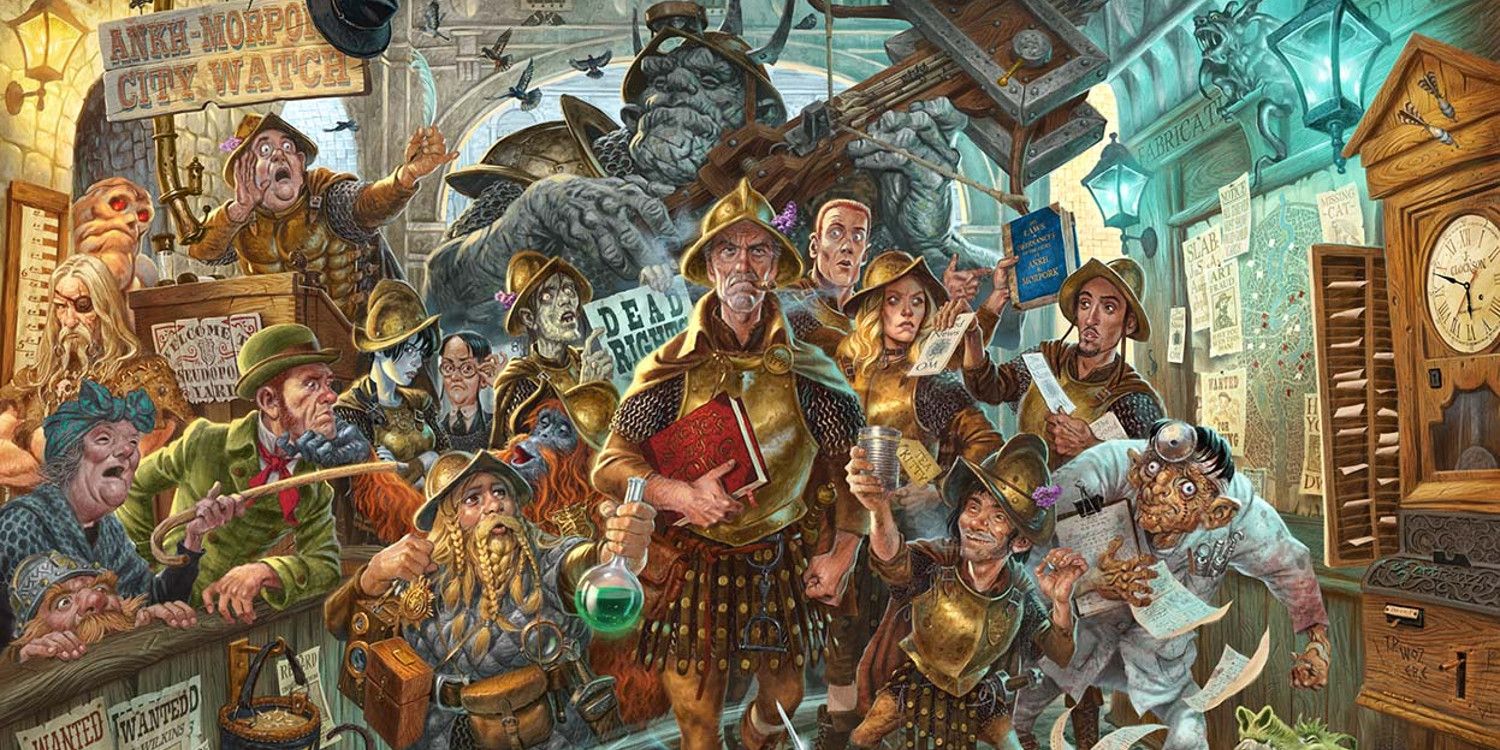
Terry Pratchett’s Discworld series, often hailed as one of the best in the fantasy genre, has captivated readers since its inception in 1983 with The Colour of Magic. Unique in its world-building, Discworld is a flat planet balanced on the backs of four elephants, which stand on the shell of the Great A’Tuin, a giant turtle. This imaginative setting is paired with Pratchett’s distinctive humor, tackling subjects ranging from consumerism to organized religion in a satirical manner that resonates deeply with his audience.
What sets Discworld apart, however, is not solely its clever observations on life but its structural cleverness. Each of the 41 novels in the series can be read as a standalone story. This format invites readers to dive into the series at any point, making it accessible for individuals of all ages. While many fantasy series demand extensive commitment and elaborate backstories, Discworld allows for both casual and dedicated reading experiences. This ease of entry echoes biblical principles of grace and accessibility; just as Jesus welcomed all to enter His teachings freely (Matthew 11:28-30), so too does Pratchett invite readers to enjoy his world without prerequisites.
Pratchett’s approach to storytelling is refreshingly different from the long, intertwined sagas common in the fantasy landscape. Instead of creating a convoluted narrative that demands prior knowledge, each Discworld novel encapsulates its own unique tale. Such storytelling mirrors the message of individual worth outlined in the Bible, where every single person is valued and seen as important, not just as part of a larger narrative (Romans 12:4-8).
The series’ wide-ranging themes allow it to traverse multiple genres, from romantic fantasy to noir thrillers. This hybrid nature reflects the diversity of human experience, encouraging readers to explore varied aspects of life while remaining anchored in a singular universe. Just as the Parable of the Good Samaritan teaches the importance of compassion and understanding beyond cultural boundaries (Luke 10:25-37), Discworld nurtures a similar spirit, urging readers to embrace all layers of humanity through humor and wisdom.
Ultimately, Discworld stands as a testament to the richness of storytelling—an invitation to explore both the fantastical and the profoundly human in bite-sized portions. Readers are left encouraged to reflect on their own journeys, drawing parallels to the larger spiritual lessons inherent in Pratchett’s narratives.
As you engage with the captivating stories of Discworld, consider the invitation Jesus extends to all of us: “Come to me, all you who are weary and burdened, and I will give you rest.” (Matthew 11:28). Let this reminder encourage you to embrace the joy of discovery, whether in the pages of a book or the experiences of life itself.
Explore and dig up answers yourself with our BGodInspired Bible Tools! Be careful – each interaction is like a new treasure hunt… you can get lost for hours 🙂