 0
0
 0
0
Title: North Korea’s Military Engagement in Russia: A New Chapter in Geopolitical Strategy and Human Sacrifice
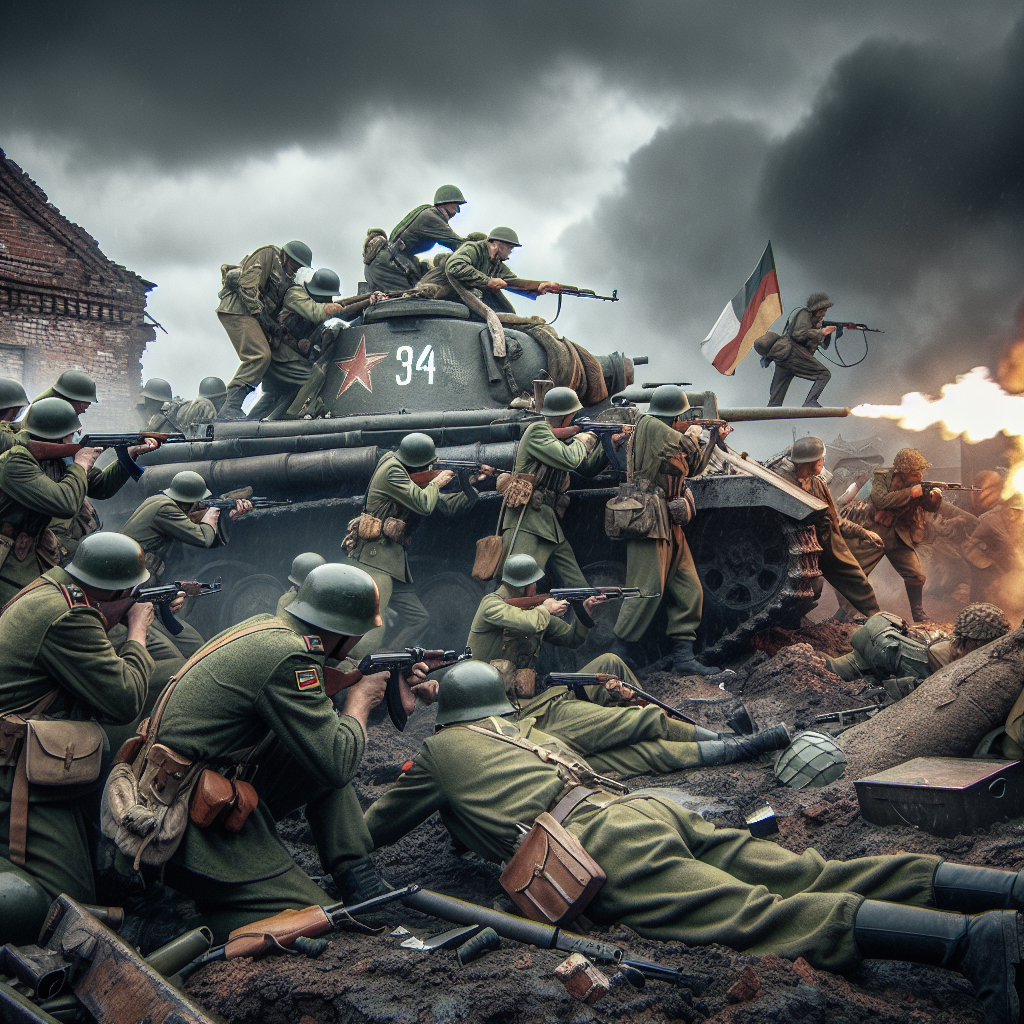
As the world grapples with ongoing conflicts, a bold international maneuver by North Korea has surfaced, with implications that stretch far beyond the battlefield. North Korea, under the leadership of Kim Jong-un, has sent over 11,000 troops to join Russian forces in their fight against Ukraine, marking its first significant intervention in an overseas conflict. This mobilization not only showcases the North’s military might but also reveals the stark realities facing its soldiers, who find themselves caught in geopolitics and the pursuit of survival.
With 1.3 million personnel, North Korea claims one of the world’s largest conventional armed forces. Historically, its army has bolstered Kim’s grip on power and served as a deterrent against South Korean antagonism. However, the recent deployment of troops from the elite “Storm” Corps highlights a desperate gamble for cash and diplomatic leverage amid crippling economic sanctions.
According to South Korean intelligence, the “Storm” Corps troops, despite their rigorous training, faced overwhelming challenges in Ukraine. The unpreparedness for modern warfare tactics, including drone attacks and unfamiliar terrain, has led to devastating losses, with reports of over 100 soldiers killed and many others injured shortly after their arrival. Such numbers reveal the significant human cost of North Korea’s strategic ambition, echoing a profound biblical principle regarding the sanctity of life and the moral weight of decisions made by leaders.
As the crisis unfolds, Kim Jong-un appears eager to send more troops, seeing the conflict as an opportunity to bolster his military stature. This situation raises ethical questions about the consequences of such leadership decisions. In the New Testament, we are reminded of Jesus’ words in Matthew 5:9, “Blessed are the peacemakers, for they will be called children of God.” This verse reflects the value of peace and the pursuit of harmony as paramount, serving as a stark contrast to the militaristic posturing exhibited by leaders engaged in conflict.
The North Korean soldiers enlisted in this campaign often come from impoverished backgrounds, with prospects of monetary gain and elevated social status serving as powerful motivators. For many, the risks of engagement are overshadowed by a longing for an improved life for themselves and their families; a stark reminder of how desperation can drive individuals to perilous choices. The idea of “losing one’s life for the sake of the gospel” (Mark 8:35) resonates here, provoking a reflection on the sacrifices humans make in pursuit of perceived righteousness or survival.
Moreover, the response of North Korea to such casualties speaks volumes about the culture of fear and obedience within its regime. Families of fallen soldiers may find a bittersweet honor in their deaths, elevated to the status of “war dead,” which culturally bestows an undeserved glory amidst their suffering.
In the shadows of this complex narrative lie broader spiritual lessons. Just as Jesus taught about the inherent value of each individual life, the loss of life in military conflicts serves as a somber reminder. We are called to advocate for peace, compassion, and community where it seems absent.
As we contemplate this unfolding story, let it prompt a deeper reflection on our values and our roles as advocates for peace in a broken world. In a time where the clamor for justice and reconciliation is essential, we are reminded that the path of peace—though costly—guides us towards a legacy built on love and understanding. How can we, in our own lives, contribute to a world where the blessings of peacemaking are realized, fostering understanding instead of division?
Let us carry this challenge as we seek ways to uplift, support, and foster peace in our communities and beyond.
Explore and dig up answers yourself with our BGodInspired Bible Tools! Be careful – each interaction is like a new treasure hunt… you can get lost for hours 🙂