 0
0
 0
0
Understanding Democracy: The Electoral College’s Complexity Unveiled in New Documentary
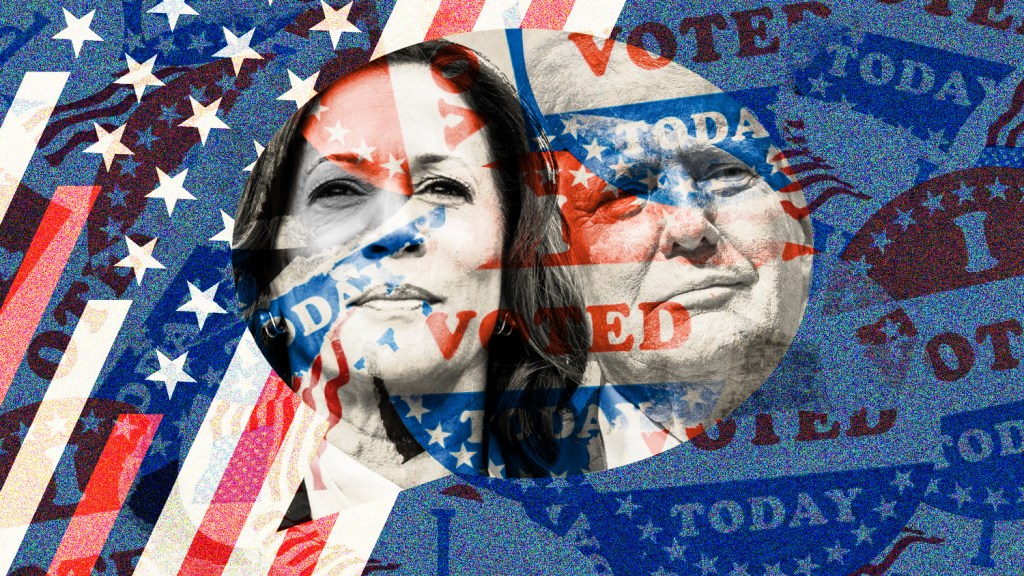
As the first Tuesday after the second Wednesday in December rolls around post-election, the members of the Electoral College convene to fulfill their constitutional duty: casting votes for the President and Vice President of the United States. However, many Americans remain perplexed about this vital aspect of their government. The newly released documentary One Person, One Vote?, directed by Maximina Juson, seeks to illuminate the often-misunderstood Electoral College process and spark a national conversation around voting rights.
“It’s such a complicated system,” Juson remarked in an interview. “The more I researched, the more shocked I became that we as Americans are not aware of this.” The film, streaming on PBS through their Independent Lens series, underscores the urgent need for education and understanding about the democratic process.
The documentary reveals eye-opening facts about the founding of the Electoral College, highlighting that it was created as a compromise during the 1787 Constitutional Convention, mainly to ensure representation of Southern slaveholding states. As Professor George Edwards puts it in the film, “The framers gave people no right to elect their president.” Instead, voters choose electors, who ultimately cast the ballots, signifying a filtering mechanism between the populace and their elected leader.
This systemic structure results in a "winner-take-all" approach in most states, where the candidate who wins the majority of popular votes secures all the electoral votes. Such an arrangement has repeatedly drawn attention to the unequal power distribution, as less populous states possess more electoral influence than their larger counterparts.
The film poses a compelling question: what would happen if America conducted a true national election? With candidates focusing on the diverse issues that matter across all states, rather than concentrating their efforts on a handful of swing states, the electoral landscape may become markedly more representative.
Yet, as we reflect on the potential for a more equitable electoral process, it’s critical to consider the biblical perspective on governance and community. In Romans 13:1, it is stated: “Let everyone be subject to the governing authorities, for there is no authority except that which God has established.” This verse underlines the importance of being engaged and informed citizens, actively participating in the democratic process and ensuring our voices are heard.
As the current system privileges the votes of a select few, justice and compassion—attributes emphasized in biblical teachings—invite a re-examination of how ballots are cast and counted. In a system meant to reflect the will of the people, the voices of all should hold equal weight, resonating with the call to love and serve one another.
Looking ahead to the next significant date on the electoral calendar, January 6, when Congress tallies the electoral votes, we are reminded of the importance of transparency and integrity in our governance. In our daily lives, let us strive for the same values of justice and respect for others, encouraging open dialogues about how we can contribute positively to our communities and society at large.
The journey towards understanding our electoral process is just as significant as participating in it. As we engage with the lessons presented in One Person, One Vote?, let us remember that our commitment to the democratic process ultimately reflects our dedication to the principles of justice and love taught by Jesus—core values that can inspire and guide us in our shared quest for a better society. How might you become more informed and engaged in your governance, reflecting the call to seek justice and love mercy in your actions?
Explore and dig up answers yourself with our BGodInspired Bible Tools! Be careful – each interaction is like a new treasure hunt… you can get lost for hours 🙂