 0
0
 0
0
Once-Endangered Elk to Roam Free Again at Bay Area National Park
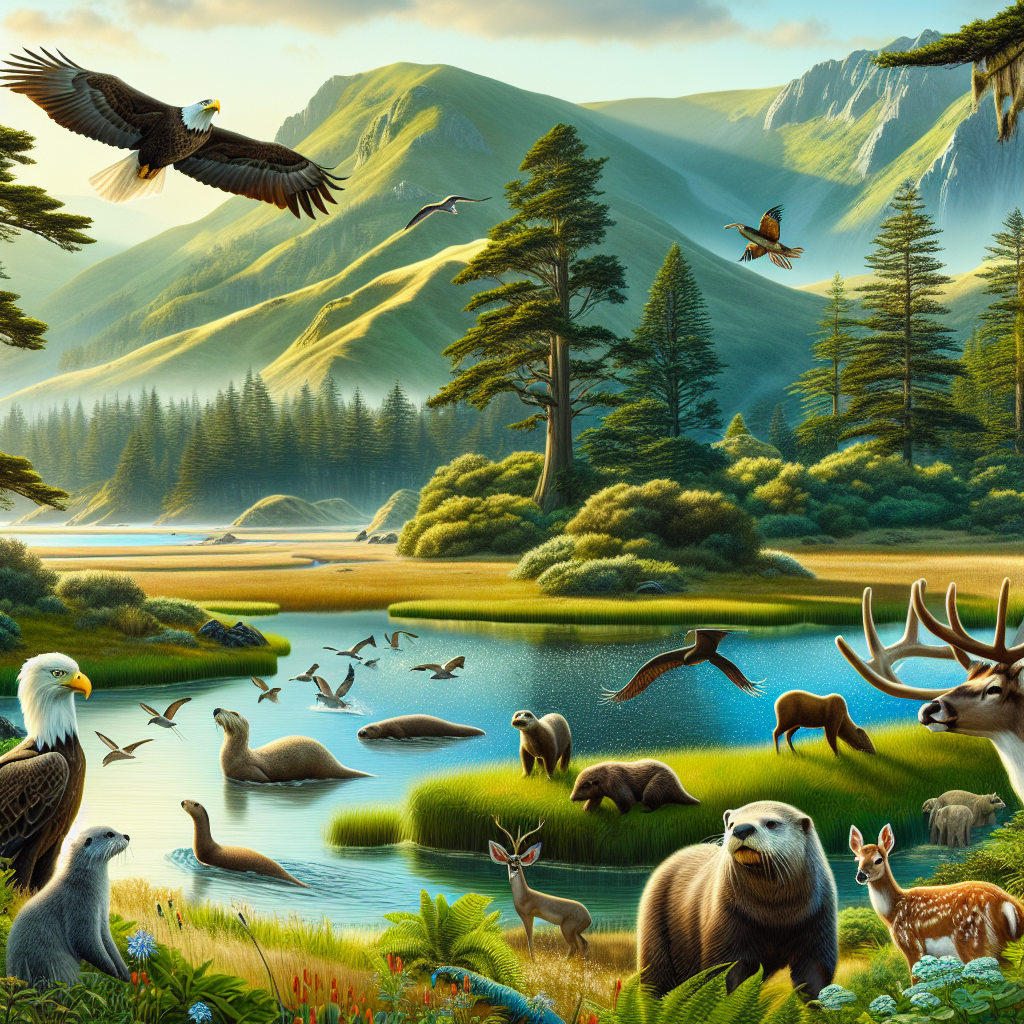
In a significant conservation move, the National Park Service has approved the removal of elk fencing at Point Reyes National Seashore, paving the way for the largest herd of tule elk in the area to roam freely once more. This decision marks a pivotal moment in the recovery of a species that has been struggling for survival, highlighting the importance of preserving the natural habitats of wildlife.
The fencing, which was originally put in place to manage elk populations, has been a contentious issue among conservationists and animal rights advocates. Critics argued that it limited the natural behavior and movement of the elk, inhibiting their ability to thrive in an environment that should be their home. With the newly approved removal, the elk will now have access to vital resources and a wider territory to exercise their natural instincts.
As nature reclaims its space, it invites a reflection on the stewardship of God’s creation. The story of the elk resonates with biblical principles of freedom, restoration, and care for the earth. In Genesis 1:26, we are reminded of humanity’s role in tending to nature: "Then God said, ‘Let us make mankind in our image, in our likeness, so that they may rule over the fish in the sea and the birds in the sky, over the livestock and all the wild animals.’"
This act of allowing the elk their freedom mirrors the broader divine theme of liberation, as seen throughout scripture. Just as Jesus taught about the importance of being free in heart and spirit, this decision acknowledges the intrinsic value of all creatures to roam and flourish in their designated habitats.
Alongside the fencing’s removal, wildlife officials will be closely monitoring the elk herd’s response to these changes, as they adapt to a new landscape without man-made boundaries. The hope is that this will not only benefit the elk but also enhance biodiversity and the health of the ecosystem as a whole.
In contemplating this development, we are reminded of the interconnections within creation. The restoration of the elk’s freedom invites each of us to consider our roles as caretakers of the earth. It challenges us to view wildlife not just as resources but as vital parts of the Earth’s story, deserving of respect and consideration.
As we take this uplifting news into our daily reflections, let us consider how we might embody stewardship in our own lives. Each act of kindness towards creation is a testament to the greater principles of love and care taught by Jesus. May the freedom of the tule elk inspire us to pursue a greater harmony within all aspects of life.
In the spirit of reflection, we encourage readers to ask themselves: How can I contribute to the care of our shared planet and its creatures? Let this season of hope inspire us towards actions that reflect love, stewardship, and a commitment to God’s creation.
Explore and dig up answers yourself with our BGodInspired Bible Tools! Be careful – each interaction is like a new treasure hunt… you can get lost for hours 🙂