 0
0
 0
0
US Climate Stance Draws Criticism Amid Global Climate Justice Efforts
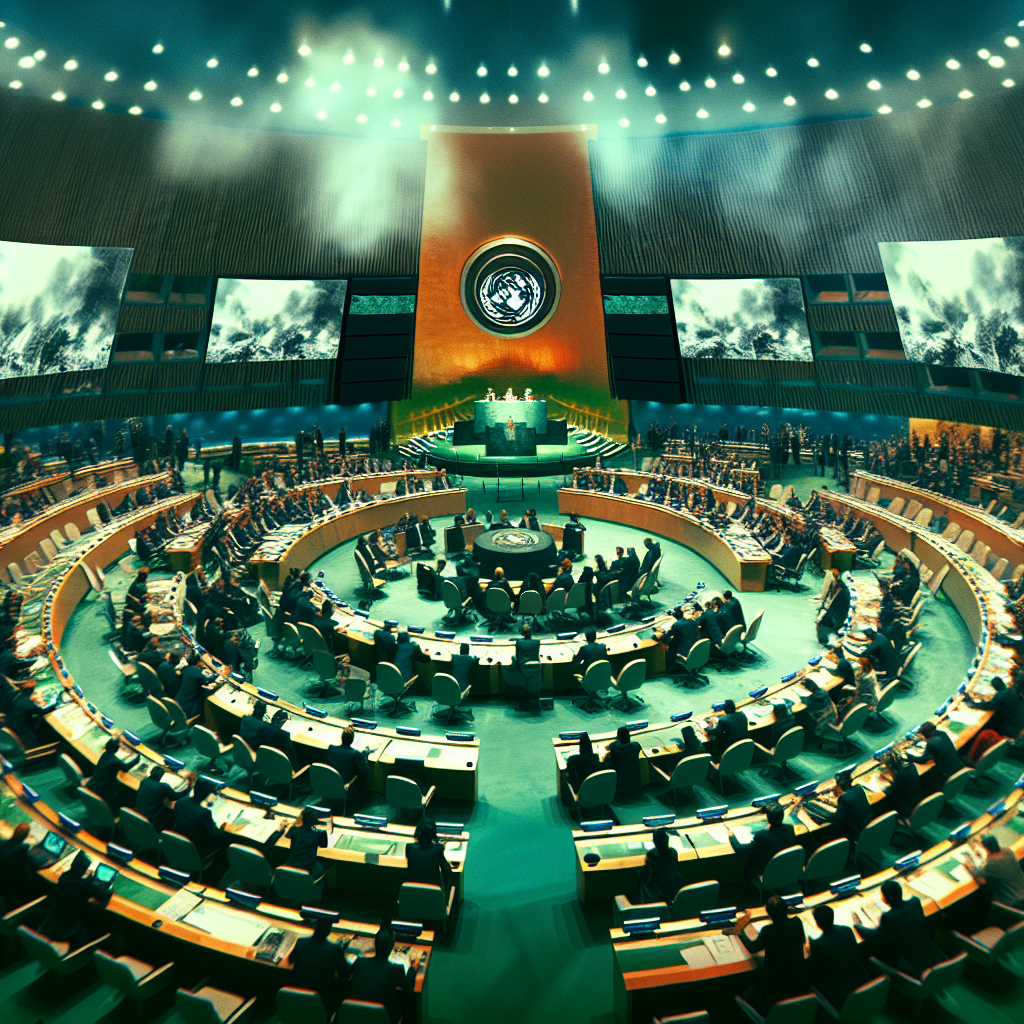
Climate justice campaigners have expressed outrage as the United States, the world’s largest historical greenhouse gas emitter, argued against countries being legally obligated to address the climate crisis. This intervention came during a pivotal climate hearing at the International Court of Justice (ICJ) in The Hague on Wednesday, where island nations and other climate-vulnerable countries are advocating for legal accountability from wealthy, polluting nations.
As climate-related disasters increasingly impact communities across the globe, the urgency for effective climate action intensifies. However, the US maintains that existing frameworks, including the United Nations Framework Convention on Climate Change (UNFCCC) and the 2015 Paris Agreement, should remain the primary path forward. Margaret Taylor, legal adviser at the US State Department, emphasized to ICJ judges the importance of these treaties, asserting they embody the states’ consent to abide by international law regarding climate issues.
"The current regime of non-binding agreements reflects the clearest expression of states’ responsibilities," Taylor stated, suggesting that any additional legal obligations must align with existing treaty commitments.
This perspective was met with strong backlash from climate justice activists. Vishal Prasad, director of Pacific Islands Students Fighting Climate Change, criticized the US for avoiding its obligations as a significant polluter. "The US is content with its business-as-usual approach, disregarding human rights and climate justice," Prasad asserted.
Oxfam America’s climate justice director, Ashfaq Khalfan, labeled the argument "absurd," especially in light of the forthcoming presidential transition, which may usher in a climate-denying administration. The dissent was not limited to the US; other fossil fuel-dependent nations, including Australia, China, and Saudi Arabia, also opposed the push for legal accountability.
In response to years of advocacy from vulnerable nations, the UN has sought the ICJ’s advisory opinion on the legal obligations states have to combat climate change. As over 100 countries and organizations present testimonies during these crucial hearings, many hope to elevate scientific understanding within international law, thereby reflecting the urgent need for transformative change in light of climate breakdown.
While advisory opinions from the ICJ are non-binding, they hold substantial political and legal authority, potentially shaping future climate litigation and international climate negotiations. Countries like Vanuatu, representing those most threatened by climate consequences, advocate for equitable financial support and compensation for irreversible losses.
Ralph Regenvanu, Vanuatu’s special envoy for climate change, expressed disappointment at the resistance from major emitters, arguing that existing treaties have failed to spur significant emissions reductions. "These agreements cannot be a veil for inaction or a substitute for legal accountability," he insisted.
As discussions unfold, one must recognize the broader implications of this dialogue, grounded in both ethical and spiritual considerations. The biblical principles of stewardship and accountability resonate powerfully in this context. In Genesis 2:15, we read, “The Lord God took the man and put him in the Garden of Eden to work it and take care of it.” This call to stewardship extends beyond mere management of resources; it invites a relationship of responsibility and care for all creation.
As the world grapples with the complexities of climate change, let us reflect on our own roles in promoting justice and safeguarding the environment. Each of us, inspired by ethical and spiritual imperatives, can advocate for responsible stewardship in our communities.
The dialogue surrounding climate justice serves as a challenge to embrace accountability not just on a national or global level, but personally, reminding us of our interconnectedness and the importance of taking action to care for the Earth. In these critical times, may we be inspired to act justly, love mercy, and walk humbly, ever mindful of the impact we have on future generations.
Explore and dig up answers yourself with our BGodInspired Bible Tools! Be careful – each interaction is like a new treasure hunt… you can get lost for hours 🙂