 0
0
 0
0
Rhubarb: The Unsung Superfood Packed with Health Benefits and Culinary Versatility
Rhubarb, often mistaken for a fruit due to its prominent appearance in desserts, is actually a vegetable that boasts a wealth of health benefits. With its tart flavor and visual resemblance to celery, rhubarb is making waves among health-conscious consumers and culinary enthusiasts alike.
Despite its sour notes that often lead to pairing with sugar in sweet treats like pies and jams, rhubarb stands out as a nutritious powerhouse. Health experts highlight its numerous benefits, showing that this vibrant vegetable can be more than just a dessert ingredient. From improving bone health to potentially lowering bad cholesterol levels, incorporating rhubarb into your diet can lead to profound health benefits.
1. A Nutrient-Rich Profile
Rhubarb is rich in essential vitamins such as K, C, and calcium, contributing significantly to bone health. Lauri Wright, a registered dietitian nutritionist, notes that just one cup of rhubarb provides nearly half the daily requirement for vitamin K, vital for bone strength and blood clotting. The vitamin C content also offers a boost to the immune system, echoing the biblical principle of caring for our bodies as temples (1 Corinthians 6:19-20).
2. Antioxidant Powerhouse
Packed with antioxidants, rhubarb helps reduce inflammation and cellular damage, potentially lowering the risk of chronic diseases. This aligns with Proverbs 3:5-8, which teaches the wisdom of nurturing our bodies and health.
3. Digestive Aid
As a high-fiber vegetable, rhubarb aids digestion, keeping our internal systems functioning harmoniously. It serves as a reminder of the importance of what we consume. Just as Jesus taught about the significance of feeding our spiritual hunger, we are encouraged to make nourishing food choices for our physical bodies as well.
4. Blood Pressure Regulation
With its high potassium content, rhubarb may help regulate blood pressure, contributing to overall cardiovascular health. This echoes the biblical wisdom of moderation and stewardship in our dietary choices.
5. Cholesterol Management
Research suggests rhubarb may lower LDL (bad) cholesterol levels, offering a practical approach to heart health. By following such healthy pathways, we practice self-control, a key principle found throughout Scripture.
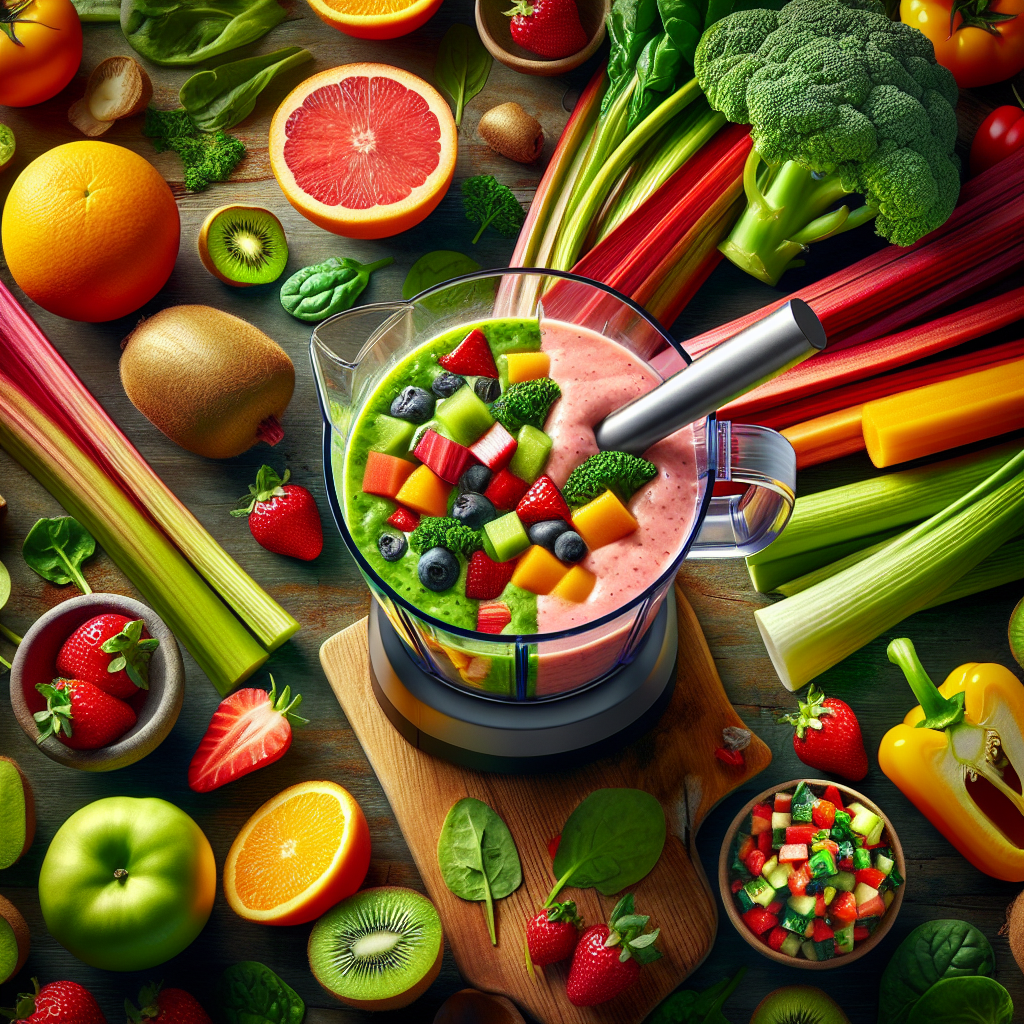
To incorporate rhubarb into your diet healthily, consider adding it to salsas, smoothies, or savory dishes. One delightful suggestion is to mix diced rhubarb with mango and red onion for a tangy salsa to serve atop grilled proteins. Alternatively, blend rhubarb into smoothies with berries and yogurt for a nutritious treat that reflects God’s provision of health and vitality in our lives.
As you explore the culinary possibilities of this vibrant vegetable, remember Psalm 104:14-15, which speaks to God’s provision of food that delights our senses. "He makes grass grow for the cattle, and plants for people to cultivate—bringing forth food from the earth."
Encouraging Takeaway:
In our journey to maintain health, let us reflect on the broader spiritual lesson found in nurturing our bodies. Just as rhubarb offers a unique blend of benefits when prepared well, so too does our well-being flourish when we prioritize wholesome choices rooted in gratitude and mindfulness. As you savor the flavors of healthful foods, may it stir a deeper appreciation for the gifts around us and the wisdom of scripture that guides our choices.
Explore and dig up answers yourself with our BGodInspired Bible Tools! Be careful – each interaction is like a new treasure hunt… you can get lost for hours 🙂