 0
0
 0
0
South Korean President Yoon Suk Yeol Responds to Martial Law Declaration Amid Political Turmoil
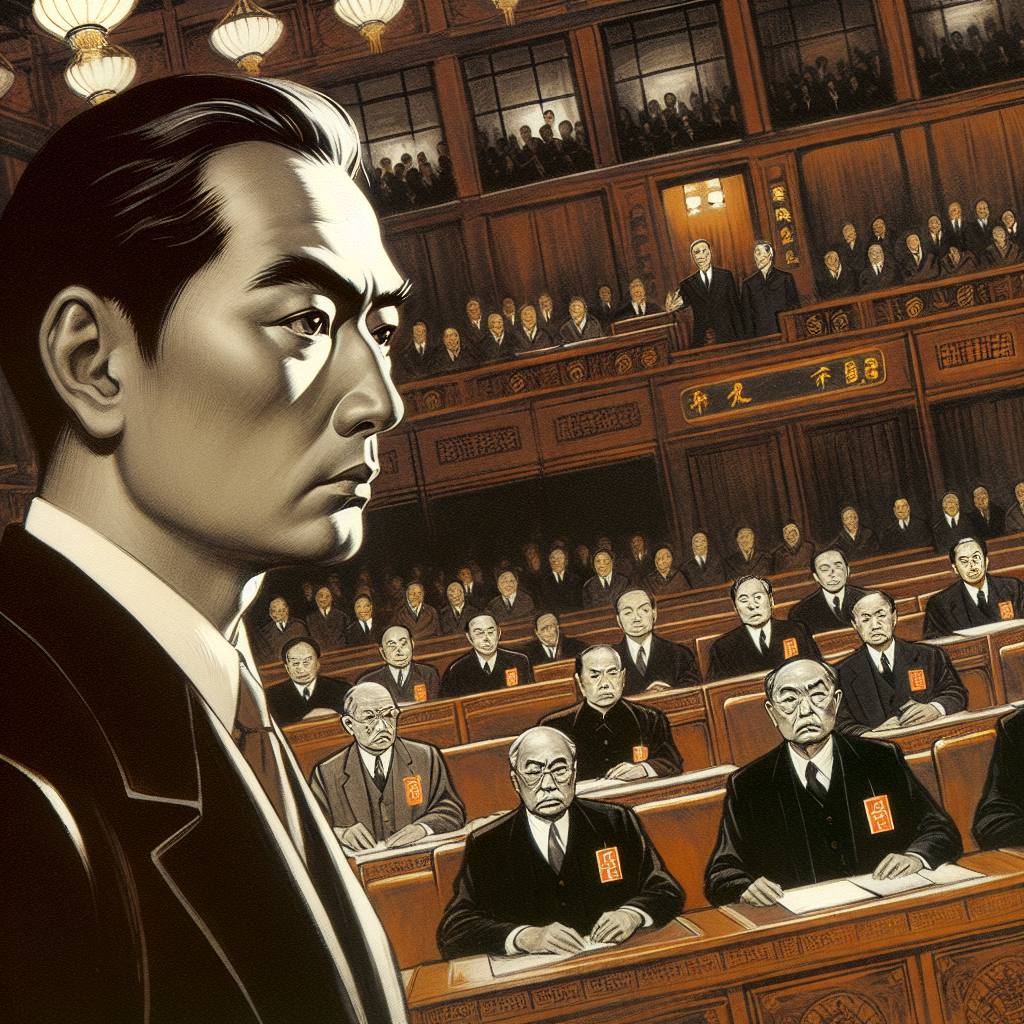
SEOUL – In an unprecedented move, South Korean President Yoon Suk Yeol announced on Wednesday he would lift a martial law declaration he imposed just hours earlier, following overwhelming rejection from parliament and widespread public outcry. This dramatic twist has highlighted not only a significant political crisis but also raised concerns regarding democratic principles in the country.
On Tuesday night, President Yoon declared martial law, citing the need to combat "anti-state forces" among his opponents. However, this declaration met fierce resistance as 190 lawmakers united to vote it down—the largest parliamentary rejection in decades. With parliamentary members pushing back against military enforcement attempting to approach the assembly, the situation escalated swiftly.
As Yoon declared his intention to lift martial law following a Cabinet meeting, demonstrators gathered outside parliament, celebrating with chants of “We won!” Their joyous response underscores the power and resilience of civic engagement, essential elements of a thriving democracy.
Reflecting on this recent crisis, one might find parallels with biblical principles of justice and the collective moral duty to uphold freedom. Just as the Apostle Paul emphasized the importance of societal order and governance—stating in Romans 13:1, "Let everyone be subject to the governing authorities, for there is no authority except that which God has established"—this current episode serves as a reminder that leaders are called to protect the well-being of their citizens, not impose fear.
The martial law declaration was serious enough to draw international scrutiny, with U.S. officials expressing “grave concern” for the stability of South Korea—the longest-standing democracy in Asia. President Yoon cited concerns about domestic challenges rather than external threats during his late-night announcement, highlighting the political nature of his decision rather than any imminent danger from North Korea.
The immediate financial implications were evident; amidst this abrupt declaration, the iShares MSCI South Korea ETF suffered its most pronounced drop in recent months, and the South Korean won weakened significantly against the U.S. dollar. Public sentiment echoed not just alarm but a principle established in Scripture: "Where the Spirit of the Lord is, there is freedom" (2 Corinthians 3:17). The fight against political oppression resonates deeply with the core tenant of honoring freedom and justice for all.
In the wake of Yoon’s decision, former President Moon Jae-in issued a plea for unity and democratic preservation, reinforcing the belief that a nation thrives when its people stand together for justice and truth.
As this political saga unfolds, it invites reflection on our own roles within our communities. Do we advocate for justice and freedom? Do we support our leaders in ways that encourage accountability and service? The broader spiritual lesson here is clear: A commitment to justice, advocacy for freedom, and unity can pave the way for a society that reflects the values of respect, dignity, and love that are at the heart of the Christian message.
Let this moment in South Korea be a challenge for all of us to engage actively in our governance, honor democratic values, and seek out peaceful resolutions in the face of conflict, echoing the call for a society where all can flourish.
Takeaway: As we witness the unfolding of political events, may we prayerfully consider our commitment to justice and freedom, aligning our actions in our daily lives with the principles we hold most dearly, fostering peace and understanding in our communities.
Explore and dig up answers yourself with our BGodInspired Bible Tools! Be careful – each interaction is like a new treasure hunt… you can get lost for hours 🙂