 0
0
 0
0
Title: Accuracy in Historical Cinema: Does It Matter? A Closer Look at “Gladiator II”
As anticipation builds for Ridley Scott’s latest cinematic endeavor, "Gladiator II," questions of historical accuracy and creative liberty are back in the spotlight. Director Ridley Scott, known for his bold storytelling, famously dismissed a historian’s critique of inaccuracies in "Napoleon," suggesting he should "get a life." This attitude prompts reflection: In an era increasingly focused on authenticity, do historical accuracies in films significantly enrich or detract from the cinematic experience?
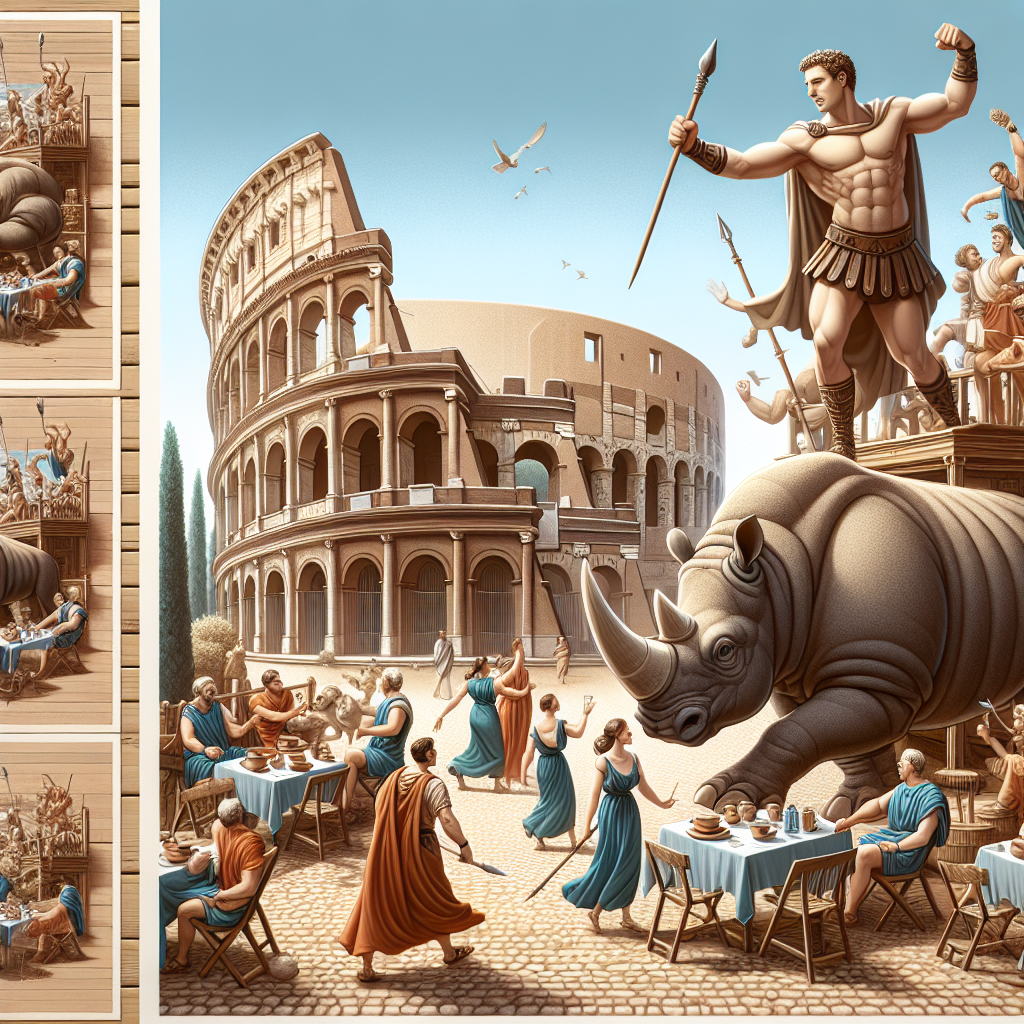
The debate is particularly pertinent in the case of "Gladiator II." Major misconceptions plague the plot, such as the feasibility of taming rhinos for combat or showcasing faux naval battles in the Colosseum. While mythbusting is part of the fun for moviegoers, the question remains—are inaccuracies undermining the film’s narrative quality, or do they simply provide excitement?
Historical consultant Mary Beard has stated that the reality of ancient Rome’s gladiatorial games bears little resemblance to the high-stakes, bloodthirsty spectacles depicted in films. Instead, these events were more akin to modern opera audiences, showcasing a different dynamic of human interaction and entertainment. Such portrayals may be visually thrilling, but they can distort an understanding of a complex civilization with rich cultural nuances.
Denzel Washington’s character in "Gladiator II" can be seen sipping on coffee, a beverage not discovered until the following millennium, while simultaneously engaging in activities that are historically implausible. These fictional liberties provoke thought about the balance between creativity and historical fidelity—as the line between storytelling and fact blurs, audiences might be led to misunderstand historical events and figures, potentially leading to misinterpretations of the past.
In examining the portrayal of historical figures like Emperor Caracalla, who was actually a bearded warrior rather than the effete character he is depicted as in the film, we uncover layers that could deepen our understanding of leadership and power dynamics. Instead of focusing solely on sensationalized narratives, there lies an opportunity to engage with more profound themes of moral integrity and justice, concepts central to biblical teachings.
The Bible encourages us to seek truth and wisdom. Proverbs 2:6 states, “For the Lord gives wisdom; from his mouth come knowledge and understanding.” By engaging with historical narratives, whether in film or literature, we can gain insights that connect to a deeper understanding of human behavior, ethics, and our spiritual journey.
As “Gladiator II” prepares for release, let us remember the importance of discerning truth in all forms of storytelling. While cinematic portrayals may stir our imaginations, we should strive to separate fact from fiction. This pursuit aligns with a broader biblical principle of seeking understanding, encouraging us to reflect on the larger lessons of integrity and authenticity in our lives.
In conclusion, whether we appreciate movies for their entertainment value or their historical lessons, let’s be mindful of the truths we carry forward. "Gladiator II" may entertain with its poised visuals and dramatic portrayals, but perhaps a more rewarding experience awaits when we delve into the true complexities of history, and recognize the value in seeking what is true, good, and beautiful in our world and ourselves.
Explore and dig up answers yourself with our BGodInspired Bible Tools! Be careful – each interaction is like a new treasure hunt… you can get lost for hours 🙂