 0
0
 0
0
Interwar Artwork: A Reflection of Tension and Transformation in Europe
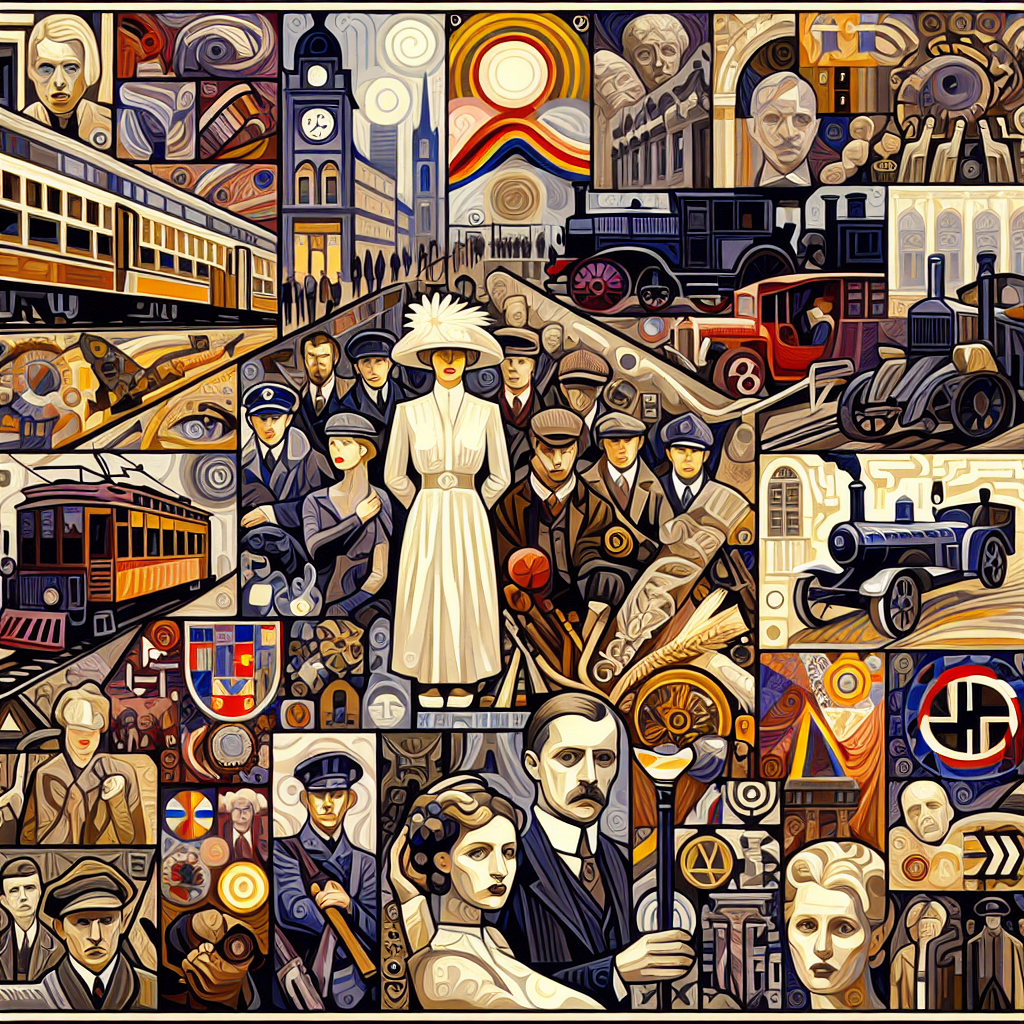
In the wake of World War I, Europe found itself in a volatile state, not only politically but also artistically. The interwar period was marked by an explosive mix of creativity and chaos, where every brushstroke and sculpted form seemed to capture the mounting tensions of the era. A recent review from The Washington Post highlights the deep connection between art and the pervasive instability of this time, suggesting that just as nations were on a hair trigger, so too was the artistic expression that emerged from these uncertain circumstances.
Artists during the interwar years were not merely observers; they reflected the anxieties, hopes, and disillusionments of their societies. Movements such as Dadaism and Surrealism emerged as responses to the horrors of war and the search for meaning in a fractured world. This chaotic environment spawned innovative art that challenged norms, much like Jesus challenged social and religious conventions of His time. The boldness of these artists invites us to reflect on the transformative power of creativity—a reminder of the essence of humanity designed by a Creator who calls us to express our vulnerabilities and triumphs.
One can draw intriguing parallels between the struggles depicted in interwar art and the teachings found in Scripture. The Bible speaks of trials leading to perseverance, character, and hope (Romans 5:3-4, NIV), serving as a poignant reminder that in moments of tension and strife, there is potential for growth and renewal. Just as the artists of the 20th century faced their own shards of brokenness, we too are encouraged to find our voice amid adversity.
As Europe swung between despair and hope, the narrative of interwar art became not just one of aesthetic exploration, but an exploration of the human condition itself. The bold representations and avant-garde styles encouraged a generation to confront their realities and seek deeper truths about existence—a pursuit that echoes the biblical call to seek wisdom and understanding.
This compelling examination of interwar Europe and its artistic explosion serves as an invitation to reflect on today’s world, where tensions persist in various forms. In moments of distress, we are called not only to react but also to create—whether through art, dialogue, or community engagement.
Ultimately, just as the artists of the past transformed their struggles into expressions of hope, we too are invited to embrace our challenges as opportunities for growth and compassion. As the Apostle Paul wrote, "For I know the plans I have for you," declares the Lord, "plans to prosper you and not to harm you, plans to give you hope and a future" (Jeremiah 29:11, NIV).
As we ponder the lessons from history, let us reflect on how we can channel our own experiences into pathways leading to understanding, healing, and connection, just as the artists of yesteryear did in their turbulent times. In doing so, we may discover a deeper sense of purpose in a world that seeks both beauty and peace.
Explore and dig up answers yourself with our BGodInspired Bible Tools! Be careful – each interaction is like a new treasure hunt… you can get lost for hours 🙂