
 0
0
 0
0
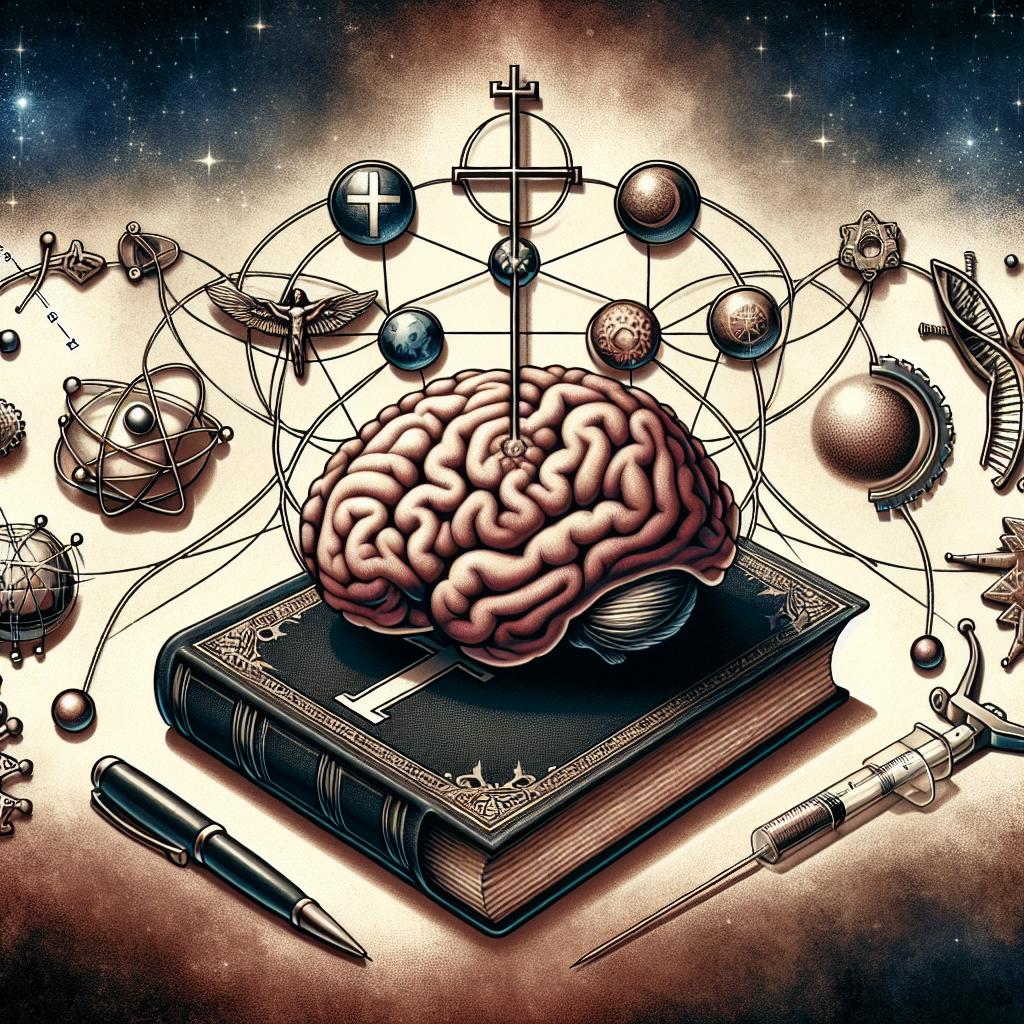
Faith and Function: Exploring the Intersection of Scripture, Science, and the Mysteries of the Human Brain
In the quest to understand the human experience, two seemingly disparate domains often appear: faith and science. However, when we delve deeper, we discover a fascinating interplay between these realms, particularly through the lens of scripture and the complexities of the human brain. This exploration invites us to celebrate the harmony of belief and rational inquiry, encouraging a more nuanced perspective on both our spiritual and cognitive lives.
The Spiritual Landscape of the Mind
Human beings are inherently spiritual creatures. Across cultures and epochs, faith has served as a foundation for morality, identity, and community. Many who chronicle their spiritual journeys often note profound experiences that seem to transcend ordinary understanding—moments of insight, peace, and purpose that appear to resonate with the deeper fabric of existence.
The scriptures of various faith traditions provide a map for this spiritual journey, offering wisdom on how to navigate challenges and recognize our interconnectedness. For instance, in the Christian tradition, verses from Proverbs highlight the value of seeking understanding and wisdom (Proverbs 4:7), emphasizing the importance of cultivating our minds.
Unraveling the Mysteries of the Brain
Complementing the spiritual quest for understanding is the discipline of neuroscience. Scientific inquiry into the brain has evolved tremendously, revealing intricate networks that correlate to our thoughts, feelings, and actions. Neuroscientific insights illuminate how faith experiences can alter brain function, enhance emotional resilience, and promote well-being.
Research has shown that practices like prayer and meditation can lead to measurable changes in brain structure and function. These activities have been associated with decreased stress levels, improved focus and attention, and increased areas of the brain linked to positive emotions. Such findings support the idea that our spiritual practices are not mere rituals; they are profound tools that can enhance our mental and emotional health.
The Intersection of Scripture and Science
The dialogue between scripture and science can lead to valuable insights. For instance, many religious texts discuss themes of hope, love, and community—elements vividly substantiated by psychological research. Studies confirm that acts of kindness and an orientation towards altruism can activate neural pathways associated with pleasure and reward. This suggests that the teachings found within religious scriptures can foster a better understanding of the human condition and stimulate positive brain function.
Moreover, scripture often speaks to the notion of purpose and meaning. In the realm of psychology, "meaning-making" is considered crucial for psychological health. Science backs up the idea that when individuals feel a sense of purpose, it not only enhances their emotional well-being but also positively impacts their physical health, reducing risks of illness and promoting longevity.
Encouragement from the Synthesis of Faith and Science
Navigating the intersection of faith and science offers a pathway to a richer understanding of ourselves. It encourages a holistic view that embraces both the tangible and the intangible aspects of human experience. Recognizing that our brain—the most complex biological structure known—functions in ways that may align with our spiritual experiences can provide an inspiring sense of unity.
For individuals grappling with doubt or seeking affirmation in their spiritual beliefs, understand that science does not diminish faith; rather, it often underscores its relevance. The field of neuroscience can serve as a lens through which we appreciate the mysteries of faith, revealing how belief can shape our lives, behaviors, and even brain chemistry.
Conclusion: A Journey Worth Taking
As we explore the intersection of scripture, science, and the intricacies of the human brain, we enrich our understanding of what it means to be human. This journey fosters a more profound appreciation of both faith and function—suggesting that our spiritual and cognitive lives are not at odds, but are rather inseparable in their contributions to our well-being. Embracing this integration can lead us toward a more authentic and joyful life, where both the sacred and the scientific inform our quest for meaning, purpose, and connection.
In this dynamic relationship, we find encouragement to explore further, to question, and to celebrate the mysteries of existence. Together, faith and science not only illuminate the human experience; they inspire us to strive for a brighter, more compassionate world.
Explore and dig up answers yourself with our BGodInspired Bible Tools! Be careful – each interaction is like a new treasure hunt… you can get lost for hours 🙂



