
 0
0
 0
0
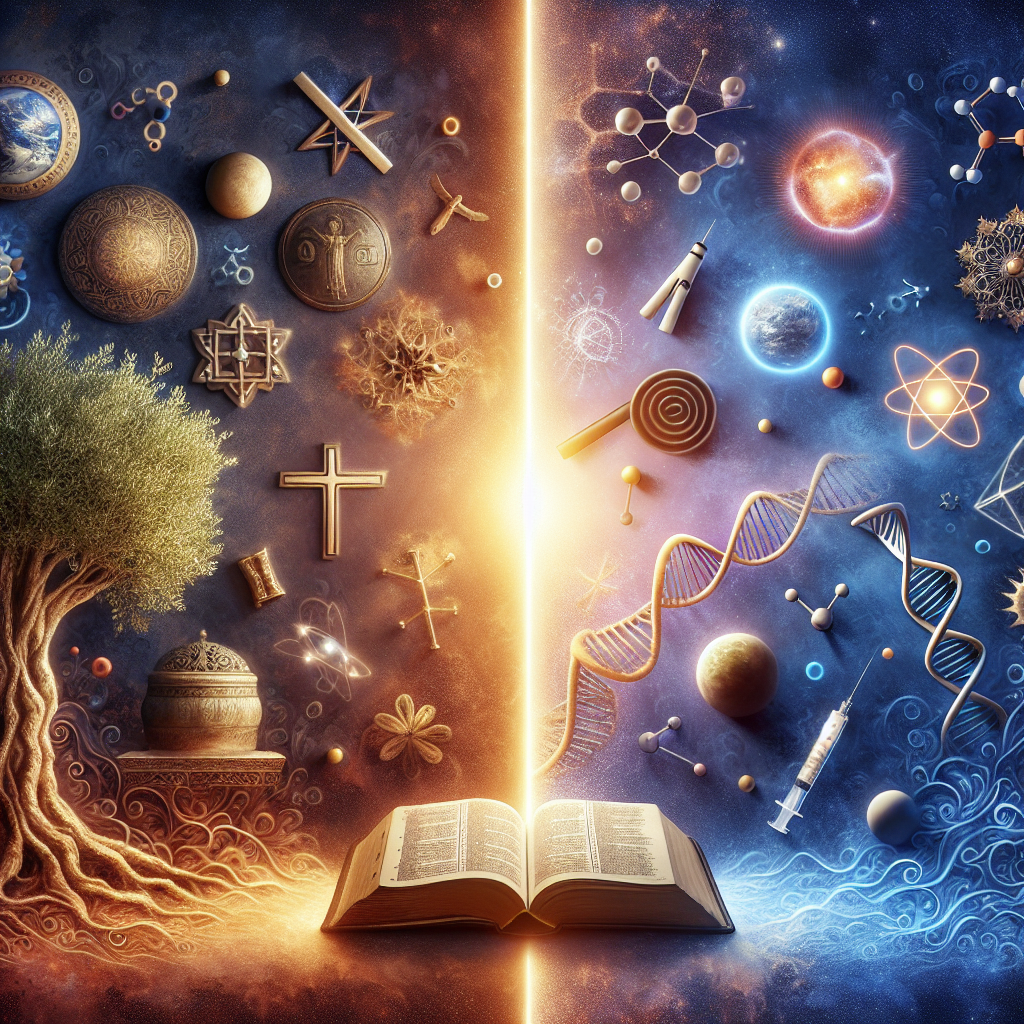
In an age increasingly driven by scientific inquiry and technological advancement, the conversation surrounding faith and reason is more pertinent than ever. For many, the narratives found in the Bible offer profound insight into life’s questions, while modern science provides a framework for understanding the physical world. However, the relationship between these two realms can sometimes be fraught with tension and misunderstanding. This article aims to explore how faith and reason can coexist harmoniously, encouraging those who seek to navigate these complexities with an open heart and mind.
The Foundations of Faith
At its core, faith often involves a trust in something greater than oneself. For many believers, Biblical narratives are not merely ancient texts; they represent timeless truths about existence, morality, love, and the nature of God. These stories foster a sense of community and guide ethical living, offering insights that transcend cultural and temporal boundaries.
The creation story in Genesis, for example, resonates not just with those who accept the literal interpretation of the text but also with others who see it as a metaphor for humanity’s relationship with the divine. In this light, faith becomes a lens through which to understand life’s profound mysteries, promoting ideals of compassion, integrity, and purpose.
The Marvels of Modern Science
Conversely, modern science has transformed our understanding of the universe. Through empirical observation and systematic experimentation, science has unraveled the complexities of nature, from the intricacies of DNA to the vastness of the cosmos. The scientific method encourages curiosity and critical thinking, formulating hypotheses and seeking evidence to understand how the world works. The contributions of scientific inquiry have led to advancements in medicine, technology, and environmental stewardship, among other fields, positively impacting human life and society.
The achievements of science invite awe and wonder similar to that experienced in faith. The exploration of natural phenomena often reveals a world that appears meticulously crafted, igniting a deep appreciation for the intricate design of the universe.
The Dialogue Between Faith and Science
While it may appear that faith and science are at odds, they can be viewed as complementary rather than contradictory. Historically, many prominent scientists, such as Isaac Newton and Albert Einstein, held spiritual beliefs alongside their scientific endeavors. They perceived their work as a means to understand the laws established by a Creator. This notion emphasizes that exploration and inquiry need not diminish one’s faith; instead, they can enhance it.
Encountering challenging questions, such as the age of the earth or the origin of species, can lead individuals to engage in meaningful dialogues about interpretation and understanding. For example, some Christians embrace the framework of theistic evolution, which harmonizes the Biblical creation narrative with the scientific account of evolution. This perspective invites believers to see God’s hand at work through the natural processes that sustain life.
Discussions around faith and science remind us that both realms deal with fundamental questions about existence—questions about who we are, why we are here, and what our future holds. Whether through scripture or scientific discovery, these inquiries shape our understanding of what it means to be human.
Embracing the Journey of Exploration
As we seek to navigate the tensions between faith and modern science, it’s essential to foster an attitude of curiosity and openness. Rather than viewing scientific discoveries as threats to spiritual beliefs, they can be seen as invitations to deepen our understanding of God’s creation. Likewise, believers may find their faith enriched through the exploration of scientific ideas.
Encouraging our communities to embrace questions and uncertainties can lead to growth and discovery. Joining study groups, participating in forums that explore the intersection of faith and science, and engaging with theological texts can provide supportive avenues for understanding these complex relationships.
Conclusion: A Tapestry of Understanding
The dialogue between faith and reason is not just a challenge to overcome; it is a journey that can lead to deeper understanding and appreciation of the richness of life. By acknowledging the wisdom in both Biblical narratives and modern scientific discoveries, we can cultivate a more holistic outlook on existence—one that celebrates both the mysteries of faith and the wonders of science.
As we navigate this intricate tapestry, let us encourage one another in recognizing that faith and reason do not need to walk separate paths. They can coexist and illuminate our lives, fostering a more profound appreciation for the beautiful complexities of creation and the divine. Together, we can build bridges, foster understanding, and celebrate the myriad ways in which we seek to understand our world and our place within it. Through faith and reason, we can inspire hope and foster a society that embraces both belief and inquiry, ultimately enriching the human experience.
Explore and dig up answers yourself with our BGodInspired Bible Tools! Be careful – each interaction is like a new treasure hunt… you can get lost for hours 🙂



