
 0
0
 0
0
Spiritual Devotional about Spiritual Pilgrimages
Embracing the Journey: The Power of Spiritual Pilgrimages
Hello, beloved readers! 🌟
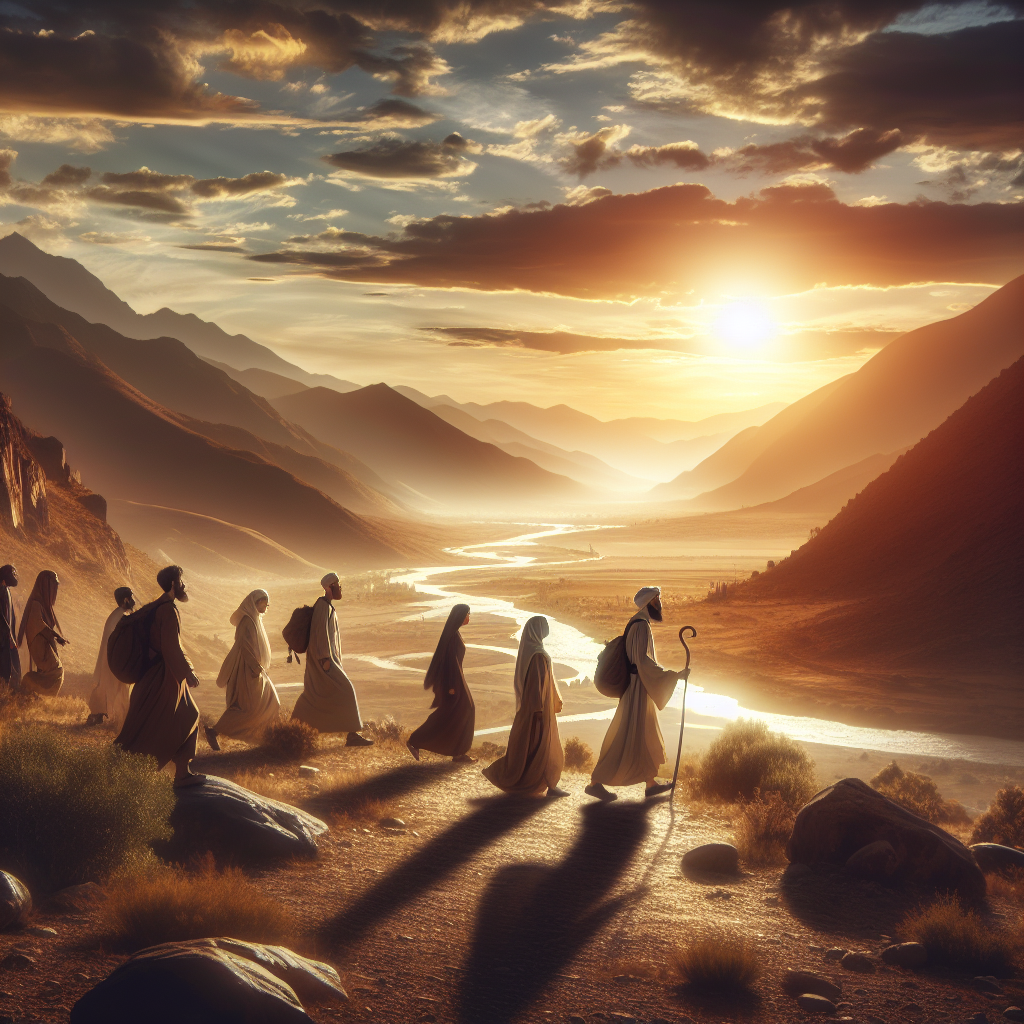
Today, let’s embark on a journey together—a journey of the heart and soul as we delve into the transcendent experience of spiritual pilgrimages. Whether you’re an experienced traveler or someone who prefers the divine beauty of home, spiritual pilgrimages offer profound opportunities for growth, healing, and connection with God.
The Biblical Essence of Pilgrimage
First, let’s root our understanding in scripture. The Bible is rich with instances of pilgrimages. One of the most notable is the pilgrimage to Jerusalem, a sacred practice that brought worshippers closer to God. In Psalm 122:1, it is written, "I rejoiced with those who said to me, ‘Let us go to the house of the Lord.’" This verse captures the joy and anticipation of embarking on a holy journey—a journey not just in physical steps, but within the realms of our hearts and spirits.
Moreover, consider the story of Abraham who embarked on a pilgrimage, leaving his homeland in obedience to God’s call (Genesis 12:1). Through his journey, Abraham fostered a deeper relationship with God and anchored his faith. This narrative reminds us that sometimes, stepping into the unknown is a divine invitation to discover more about ourselves and God’s plan for us.
The Personal Transformation
Every pilgrimage, whether to a renowned sacred site or a personal retreat into nature, is an opportunity for transformation. When we set aside time to focus solely on our relationship with God, the distractions of daily life fade, and divine clarity begins to emerge.
Think about the journey of the Israelites during the Exodus. Their pilgrimage through the wilderness was more than just a physical migration; it was a spiritual refining process. Deuteronomy 8:2-3 tells us that through their journey, God tested, humbled, and taught them to depend on Him. Similarly, our pilgrimages today—though perhaps less arduous—can refine our faith and deepen our reliance on God’s provision.
Practical Steps for Your Own Pilgrimage
So, how can you embark on your own spiritual pilgrimage?
-
Intentional Destination: Choose a destination that speaks to your soul. It could be a renowned sanctuary, a serene mountain, a riverside chapel, or even a quiet, familiar backyard. Remember, the power of a pilgrimage isn’t in the distance traveled, but in the heart’s willingness to seek God.
-
Prayerful Preparation: As you prepare, take time for prayer and reflection. Invite God into your journey. Psalm 37:5 encourages us, “Commit your way to the Lord; trust in Him and He will act.”
-
Sacred Moments: Throughout your pilgrimage, create sacred moments. These could be periods of quiet prayer, journaling, reading scripture, or simply meditating on God’s creation.
-
Open Heart: Be open to whatever God has in store for you. Sometimes, the most profound encounters come when we least expect them. Ephesians 3:20 beautifully reminds us that God is able to do “immeasurably more than all we ask or imagine.”
Potential Benefits of a Spiritual Pilgrimage
Embarking on a spiritual pilgrimage can lead to:
- A renewed sense of purpose and direction.
- Deeper spiritual insight and emotional healing.
- Strengthened faith and trust in God’s promises.
- A profound sense of peace and inner joy.
Beloved, as you consider your own pilgrimage, remember that each step, each pause, and each prayer can draw you closer to the heart of God. Whether your journey is long or short, grand or humble, the destination remains the same—a deeper, more intimate communion with our Creator.
May your journey be blessed with discovery, wisdom, and an ever-growing awareness of God’s boundless love. Ready to take that first step? God is waiting to walk alongside you.
With love and encouragement,
[Your Name]
Explore and dig up answers yourself with our BGodInspired Bible Tools! Be careful – each interaction is like a new treasure hunt… you can get lost for hours 🙂
Q&A about Spiritual Pilgrimages
Certainly! Here’s a hypothetical Q&A based on the topic of spiritual pilgrimages:
Q: What is a spiritual pilgrimage?
A: A spiritual pilgrimage is a journey undertaken for religious or spiritual purposes, often to a sacred site or place of significant religious importance. It typically involves a physical journey as well as a form of spiritual or personal quest, and it can serve as a way to seek spiritual enlightenment, penance, or a deeper connection with one’s faith.
Q: What are some well-known spiritual pilgrimage destinations around the world?
A: Some well-known spiritual pilgrimage destinations include:
- Mecca, Saudi Arabia (for Muslims performing the Hajj)
- Jerusalem, Israel (significant to Jews, Christians, and Muslims)
- Santiago de Compostela, Spain (the culmination of the Camino de Santiago for Christians)
- Varanasi, India (a sacred city for Hindus)
- The Vatican City (a major pilgrimage site for Catholics)
- Bodh Gaya, India (where Buddhists believe Siddhartha Gautama attained enlightenment)
Q: What is the significance of the Camino de Santiago in Christianity?
A: The Camino de Santiago, or the Way of Saint James, is a network of pilgrimage routes across Europe leading to the shrine of the apostle Saint James the Great in the Cathedral of Santiago de Compostela in Galicia, Spain. It is believed that the remains of Saint James are buried there. The pilgrimage is significant in Christianity because it is a journey of faith, reflection, and penance.
Q: How do pilgrims prepare for a spiritual pilgrimage?
A: Preparation for a spiritual pilgrimage can vary depending on the destination and the individual’s health and spiritual needs. Common preparations include:
- Physical conditioning, especially for long-distance walking pilgrimages
- Researching the spiritual and historical background of the pilgrimage site
- Arranging travel logistics like flights, accommodations, and necessary documentation
- Spiritual preparation through prayer, meditation, or consultation with religious leaders
- Packing appropriate clothing, footwear, and supplies
Q: What are some common experiences shared by pilgrims during their journeys?
A: Pilgrims often share various experiences, such as:
- A sense of community and solidarity with fellow pilgrims
- Physical and mental challenges that test their resolve and endurance
- Deep personal reflection and spiritual growth
- Moments of profound peace, contemplation, and a stronger sense of faith
- Encounters with different cultures and traditions
- Joy and fulfillment upon reaching their destination
Q: Are spiritual pilgrimages relevant in the modern world?
A: Yes, spiritual pilgrimages remain highly relevant in the modern world. Many people seek deeper meaning, purpose, and connection in their lives, and pilgrimages offer an opportunity for reflection, growth, and a break from the stresses of daily life. Additionally, they can foster interfaith understanding and draw people closer to their spiritual or religious roots.
Q: Can non-religious people go on pilgrimages?
A: Absolutely. While traditional pilgrimages are often rooted in specific religious practices, non-religious people can also undertake pilgrimages for personal growth, reflection, or a sense of adventure. The journey itself, with its physical and contemplative aspects, can be profoundly meaningful irrespective of one’s religious beliefs.
Q: What changes might a person expect in themselves after completing a pilgrimage?
A: After completing a pilgrimage, many people report feeling:
- Spiritually refreshed and strengthened
- A sense of accomplishment and renewed purpose
- Greater clarity and insight into their lives and beliefs
- Enhanced appreciation for the beauty and diversity of human experience
- Feelings of gratitude and humility
- A deeper connection to their faith, culture, or personal values
I hope this Q&A provides a comprehensive overview of spiritual pilgrimages and their significance.



