
 0
0
 0
0
Prayer about Human Rights
Introduction
Prayer has long been appreciated for its power to connect us with the divine, provide comfort in times of need, and guide us in taking steps towards serenity and peace. It’s a means of expressing our deepest desires, seeking intercessions, and being grateful for life’s blessings.
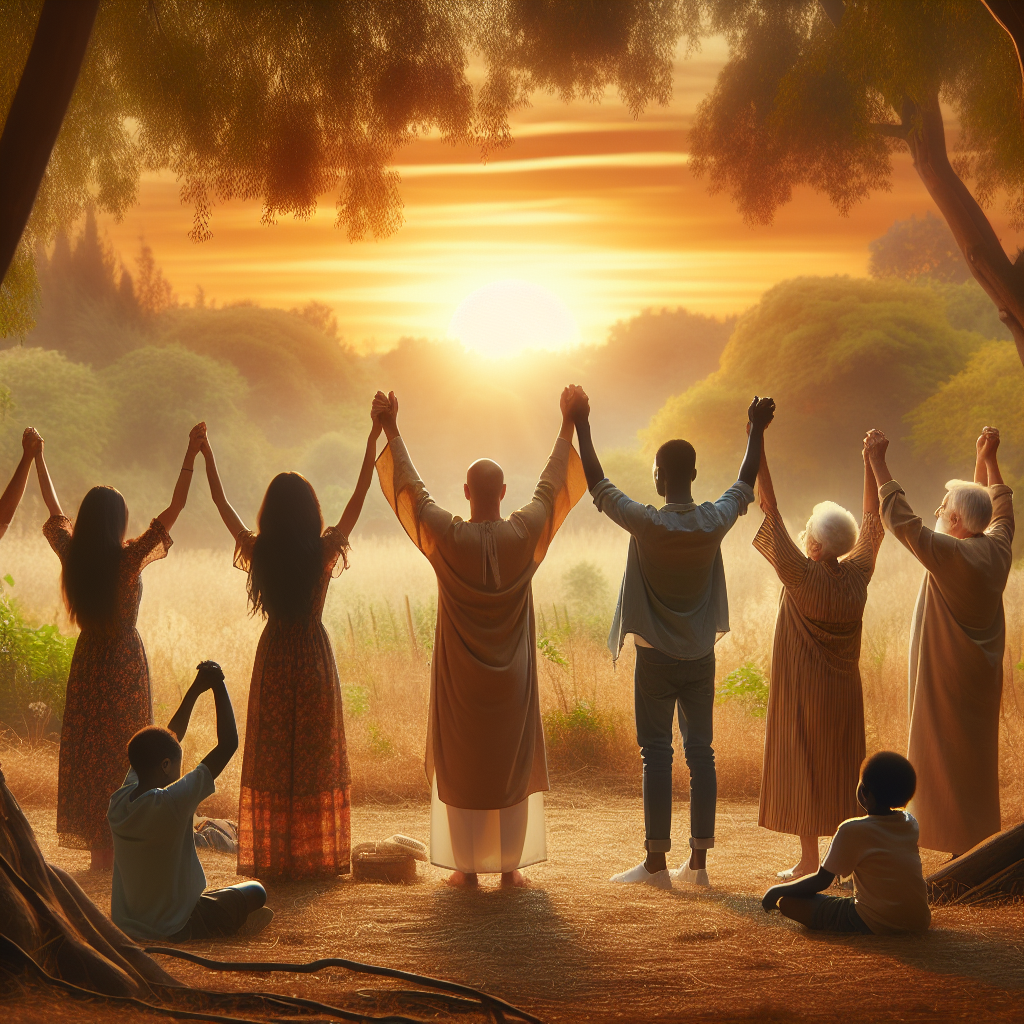
In praying, we develop a relationship with God, foster love for our fellow human beings, and cultivate a personal sense of faith. Prayer also serves to promote unity, understanding, and respect – key elements in championing human rights.
A Prayer for Human Rights
Dear God, I stand before You today as a humble servant, praying fervently for the protection and flourishing of human rights across the world. First and foremost, I pray for those who are oppressed, marginalized, and denied their basic rights. May they find in You the strength, courage, and hope necessary to continue advocating for their dignity and emancity.
I acknowledge that all humans are equal in Your eyes, irrespective of their race, religion, gender, or social status. You have created everyone in Your image, and it is this divine image that we seek to honor through our work to uphold human rights.
I pray that we can nurture love and understanding, foster empathy and compassion, promote fairness, and extend kindness, not only to those of us fortunate enough but also to those struggling to cope with life’s many challenges.
Help us to remember that everyone has the right to freedom, justice, and peace. Open our hearts so we can truly care for all and fight for justice where it is needed. Fill us with courage to stand up for what’s right and work towards an equal, loving, peaceful world.
Finally, I pray for those working in human rights organizations and movements worldwide. May they be guided by your wisdom, unwavering in their pursuit of justice, and be insulated against the discouragements that may challenge their resolve.
Conclusion
Your engagement in this prayer for human rights signifies your commitment to upholding the dignity of all persons – a commitment we truly appreciate and admire.
Remember, prayer is a potent tool for transformation – not just of the individual, but of the society. Prayer can incite change, inspire action, and imbue us with the strength and passion necessary to bring about a world where all people are treated with the respect and fairness they deserve.
We encourage you to continue studying the Bible with BGodInspired.com. In this shared journey, we can together explore the profound wisdom of the scriptures, drawing inspiration and guidance in living a life rooted in love, justice, and peace.
Generate specific and customized prayers at your fingertips: Prayer Anywhere GPT .
Journal Prompts about Human Rights
1. Reflect on the Biblical principle of everyone being ‘created in God’s image’ (Genesis 1:27). How does this principle tie in with today’s understanding of human rights?
2. The Bible teaches us to ‘love our neighbors as ourselves’. How can this commandment be applied to the issues of discrimination and inequality in contemporary society?
3. The Old Testament law states ‘eye for an eye and tooth for tooth’ while Jesus preached forgiveness. How can these contrasting principles be used to analyze our current justice system and the human rights aspects within it?
4. How does Jesus’ interaction with social outcasts, such as lepers and the woman at the well, illustrate the biblical perspective on rights and dignity of all human beings, including those marginalized or discriminated against?
5. There are numerous instances of social justice in the Bible, such as provisions for the poor and the vulnerable. Reflect on these verses and discuss how they can guide our approach towards issues of poverty, exploitation and social injustice today.
6. Reflect on the story of the Good Samaritan (Luke 10:25-37). How can this story shape our understanding of responsibility towards others irrespective of their race, religion, or nationality?
7. Slavery is mentioned quite often in the Bible. Explore the context of these passages and discuss how these passages relate to the modern concepts of human trafficking and exploitation.
8. The Book of Acts often speaks about community life, sharing, and looking after each other. How does this early church practice relate to the modern concepts of human rights such as right to property, social security, and a standard of living adequate for health and well-being?



