 0
0
 0
0
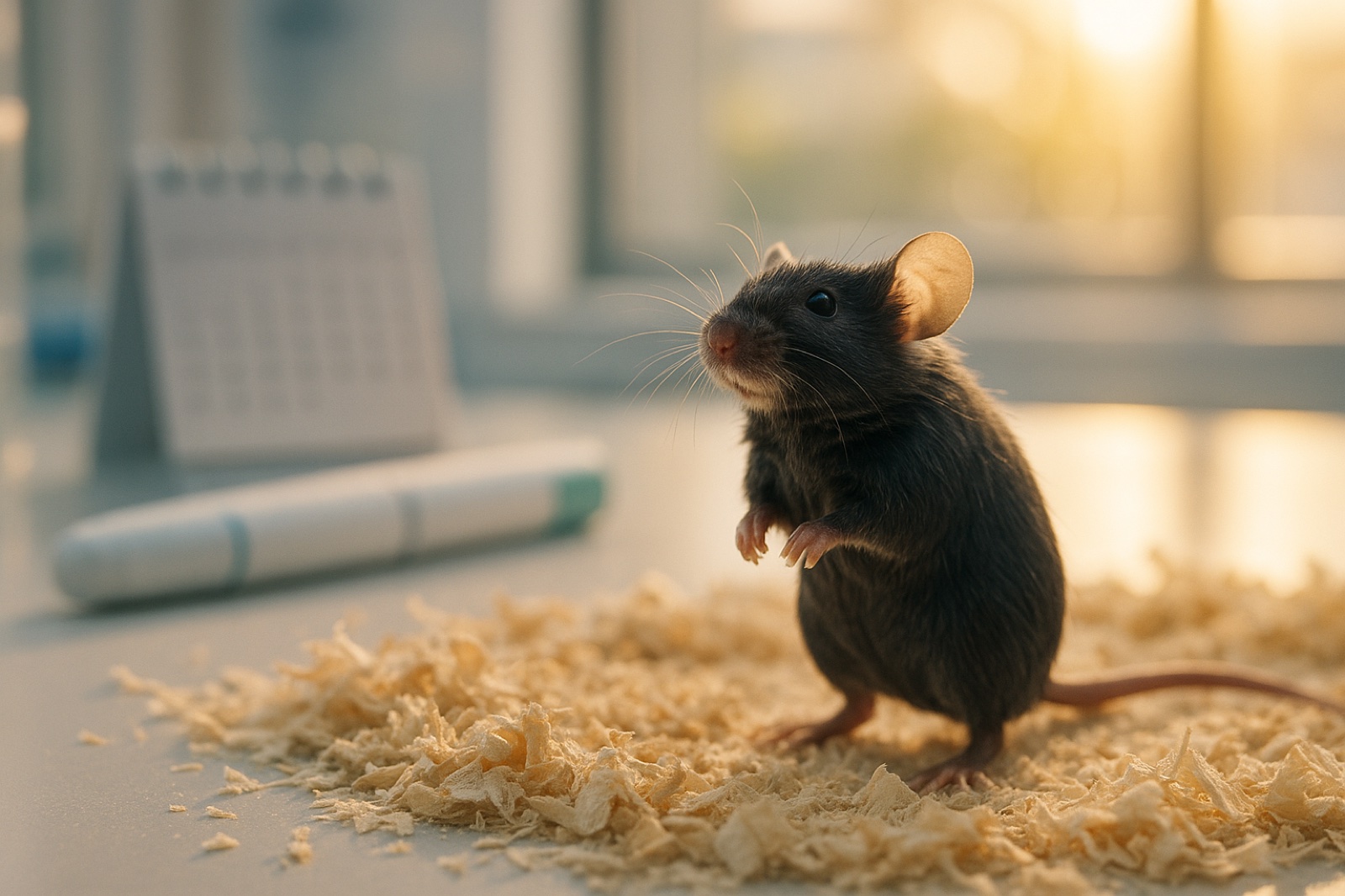
The mice were already old when the study began. Twenty months old, which for a lab mouse is well past the middle of life. Their bodies were doing what old bodies do: slowing down, getting weaker, forgetting things.
Then scientists gave them semaglutide. That is the active ingredient in Ozempic and Wegovy, the weight-loss drugs that have become some of the most talked-about medicines in the world.
The mice on the drug lived longer. Not a little longer. In this Ozempic lifespan study, the typical mouse on the drug lived about three months more than the typical mouse without it. For an animal that usually lives around two years, that is a big slice of extra life.
And the extra time was not just more time. It was better time.
What the Ozempic Lifespan Study Actually Found
The study was led by Danica Chen and Yufan Feng at the University of California, Berkeley, with support from the US National Institutes of Health. It was published in the journal Nature on 2 September 2026.
Here is what they reported:
- Longer life. The median lifespan of the mice rose from 742 days to 834 days. That is 92 extra days for the typical mouse, or roughly an eighth more life. Berkeley’s summary puts the average gain at about 100 days.
- Stronger bodies. The treated mice moved more, kept their balance better, and had better muscle function.
- Sharper minds. They did better on memory tests and grew more new brain cells in the part of the brain that handles memory.
- Calmer insides. Signs of inflammation went down. So did the number of worn-out “zombie” cells that pile up with age.
- Better blood sugar. Their bodies handled sugar and insulin better.
The mice also ate about a quarter less food, and most of the weight they lost was fat.
The Part Most Headlines Skip: It Wasn’t Just Eating Less
Scientists have known for a long time that eating a lot less can make lab animals live longer. So the obvious question is: did the drug just make the mice eat less, and that was the whole story?
The researchers tested that. They put another group of old mice on a diet that cut their food by the same amount, with no drug at all. Then they compared the two groups side by side.
Both groups got some benefits. But they were not the same.
The mice on the strict diet slowed down on the inside. Their metabolism, the engine that burns energy, dropped. That is what bodies usually do when food is short. They save fuel.
The mice on semaglutide did not slow down. Their metabolism stayed about where it was. And they were more curious. They explored more, remembered their way around better, and handled blood sugar better than the diet-only mice.
That is the detail worth sitting with. One group lived longer by running quieter. The other lived longer and stayed awake to their world. Same food, different lives.
What This Study Does Not Show
This part matters, so here it is plainly.
- These were mice, not people. The researchers themselves say there is no sign the same result could be reached in humans right away. Finding out would take long studies in older adults.
- Only female mice were tested. Nobody knows yet if males would respond the same way.
- It is not advice. Nothing here means anyone should start, stop, or change a medicine. That is a conversation for a doctor who knows you.
Mouse results often fail to carry over to people. Many things that helped mice live longer never helped humans at all. So this is an early, careful clue. It is not a promise.
If you have been following these drugs, you may have seen other surprises too. Scientists recently found that Ozempic works in the brain in the opposite way they expected. And another new study found that muscle weakness in old age may be a nerve signal problem, not just lost muscle. The science of getting older is moving fast.
If Science Gives Us More Years, Then What?
Suppose, one day, something like this does work for people. Suppose you could buy a few extra years.
It is worth asking now what you would do with them. Because most of us already have more days than we use well. We spend them scrolling, worrying, waiting for life to start. Extra years do not fix that. They just give us more of it.
There is an old prayer, written thousands of years before anyone had a lab, that already knew a human life runs about seventy years, maybe eighty for the strong. What stands out is what it asks for next. Not more days. It asks to be taught to count the days it has, so the heart can grow wise. The person who wrote it seemed to understand what the Berkeley mice showed in their own small way: the number of days matters less than whether you are awake for them.
Maybe that was always the real question. Not how long. What for.
A good place to start is small. Today, count one day. Notice who is in it. Call the person you keep meaning to call. Take the slow walk. Say the kind thing out loud. None of that costs money, and none of it has to wait for a new drug.
The mice who stayed curious lived best. That might be true for us too.
What Do You Think?
If a pill could give you ten more healthy years, would you take it, and what is the first thing you would do with that time? Tell us in the comments. We read every one.
Share This
“Old mice on the Ozempic ingredient lived about 3 months longer and stayed curious. Mice on a strict diet lived longer too, but slowed down. Same food, different lives. https://bgodinspired.com/index.php/health-and-wellness/ozempic-lifespan-study-old-mice/”
“Science might give us more years one day. The better question: what are the days for? This one made me think. https://bgodinspired.com/index.php/health-and-wellness/ozempic-lifespan-study-old-mice/”
“Most of us already have more days than we use well. Extra years won’t fix that. Worth a read. https://bgodinspired.com/index.php/health-and-wellness/ozempic-lifespan-study-old-mice/”
Questions People Ask About the Ozempic Lifespan Study
Does Ozempic make you live longer?
Nobody knows yet whether Ozempic makes people live longer. A 2026 study in the journal Nature found that semaglutide, the active ingredient in Ozempic and Wegovy, extended the lifespan of old female mice, raising their median lifespan from 742 to 834 days. The researchers and the US National Institutes of Health both say this does not show the drug extends human lifespan, and long-term studies in older people would be needed.
How much longer did the mice on semaglutide live?
In the 2026 Nature study led by UC Berkeley, old female mice given semaglutide had a median lifespan of 834 days compared with 742 days for untreated mice, a gain of 92 days. UC Berkeley described the average gain as about 100 days. For a mouse that normally lives around two years, that is roughly an eighth more life.
Did the mice live longer just because they ate less?
Not entirely. The semaglutide mice ate about a quarter less food, so the researchers compared them with mice put on a diet cut by the same amount. Both groups gained some benefits, but the diet-only mice had a slower metabolism, while the semaglutide mice kept a normal metabolism, explored more, had better spatial memory and handled blood sugar better. That suggests the drug works partly through other pathways, not only through eating less.
What health benefits did semaglutide show in old mice?
In old female mice, semaglutide improved movement, balance, muscle function, memory and blood sugar control. It also lowered signs of inflammation, reduced the build-up of worn-out senescent cells, and increased the growth of new brain cells in the hippocampus, the brain area linked to memory. These results come from mice and have not been shown in humans.
Should I take Ozempic to slow aging?
The 2026 mouse study on semaglutide and aging is not a reason to take Ozempic to slow aging. The research was done only in female mice, and scientists say it is unknown whether GLP-1 medicines change aging or lifespan in humans. Anyone thinking about starting or stopping a medicine should talk with a doctor who knows their health history.