 0
0
 0
0
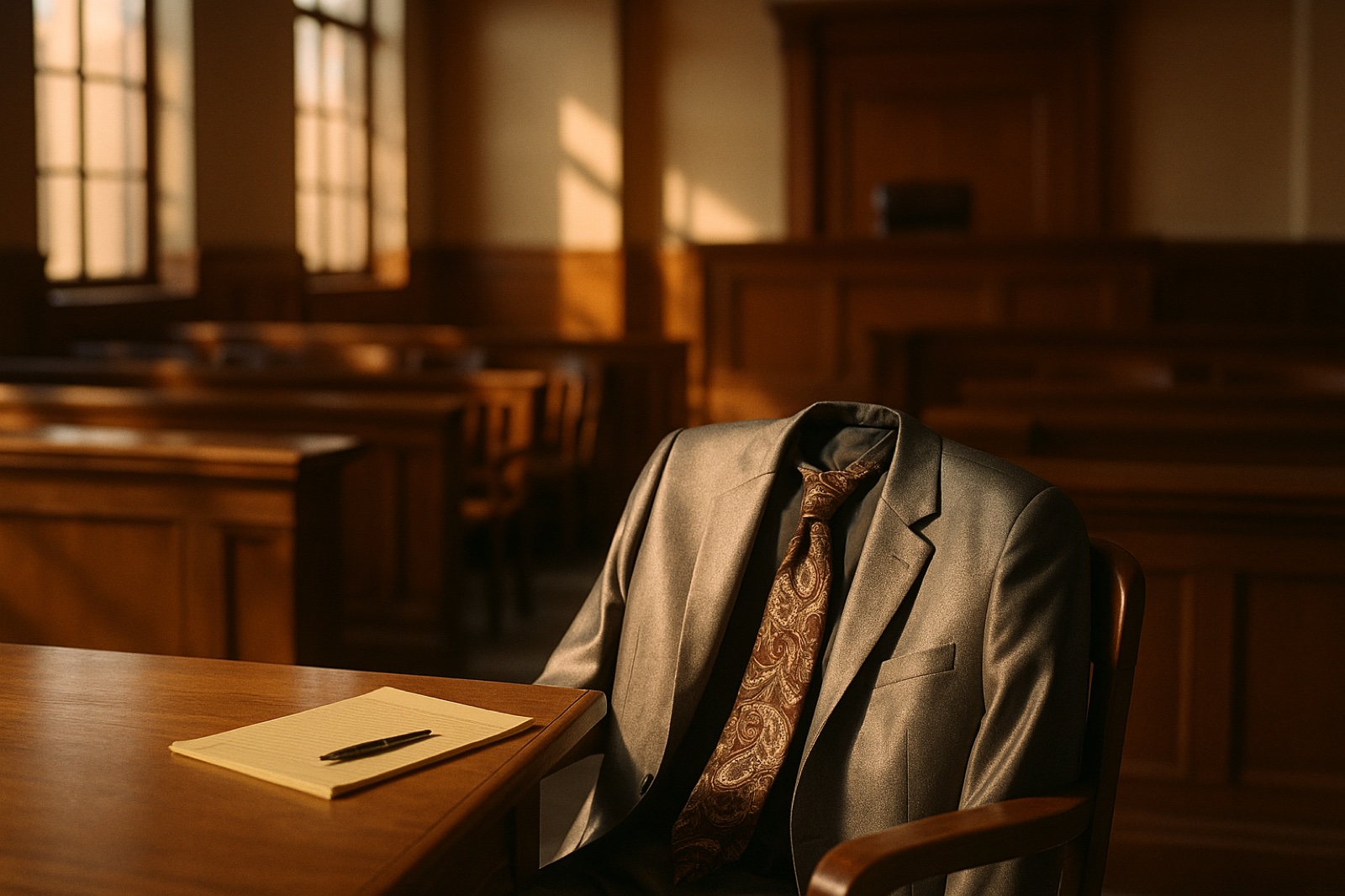
Near the end of Better Call Saul, a man in a loud suit stands up in an Albuquerque courtroom and throws away the best deal of his life. He had talked federal prosecutors down from life in prison to seven and a half years. It was his masterpiece. Then he tells the judge the truth, piece by piece, and walks out with eighty-six years instead.
The last thing he says before he sits down is his name. Not Saul Goodman. McGill. James McGill.
If you came here looking for Better Call Saul ending explained, that is the whole ending in one beat. But it only lands because the show spent six seasons building the name he is giving back. So start there.
Better Call Saul is a show about a name that means “it’s fine”
Better Call Saul, created by Vince Gilligan and Peter Gould, ran for six seasons from 2015 to 2022 as the story of how Jimmy McGill, played by Bob Odenkirk, became the lawyer Breaking Bad fans already knew. Most prequels ask how. This one kept asking why.
The name is the answer hiding in plain sight. “Saul Goodman” is a pun on “it’s all good, man.” Say it fast and it is a pat on the back. Every client who calls it is hearing, without knowing, that whatever they did is fine.
Think about what that means for the man wearing it. Jimmy first invents Saul as a character for his cheap TV ads. Then he becomes him. And the thing Saul offers other people is exactly what Jimmy wants for himself: a world where nothing is ever quite his fault. Chuck was cruel. Howard was smug. The bar was unfair. The system was rigged. It’s all good, man.
That is why the show hurts to watch. Jimmy is funny, clever and often kind. He is good with old people. He loves Kim Wexler, played by Rhea Seehorn, with his whole chest. The show never lets you write him off. It just keeps showing you the small exits he takes, one after another, until the exits are the only road he knows.
The fake speech that started it
Here is the detail most viewers remember but do not connect. In the season four finale, “Winner”, Jimmy stands before a panel to win his law license back. He gives a speech about his late brother Chuck and says he wants to be worthy of the name McGill. The panel is moved. Kim is moved.
Then, in the hallway, he reveals it was a performance. He will not practise as McGill at all. He leaves shouting the pun that becomes his new name.
Hold that scene next to the finale and the whole series folds in half. Both are hearings. Both are speeches about Chuck. Both end with a name. In season four he fakes sincerity to win, and the prize is permission to drop the name McGill. In the finale he tells the truth to lose, and the only thing he gets for it is the name McGill back. The last courtroom is the first hearing played in reverse, with the lie taken out.
The finale’s writer and director, Peter Gould, has put it simply. After the finale, he told TV Guide that Jimmy has “got his soul back.” The show does not pretend that is free. It costs him roughly eighty years.
Four time machines, and the one he finally answers
The finale, “Saul Gone”, is built around one question. In flashbacks, Jimmy asks other men what they would do with a time machine. It is a way of asking about regret without saying the word.
Stuck in the desert with Mike Ehrmantraut, Jimmy’s own answer is money: go back and buy into Berkshire Hathaway early. Mike is not impressed. Mike’s own answer is about the day he took his first bribe.
Hiding under the vacuum shop with Walter White, Jimmy’s answer is a knee he hurt pulling a slip-and-fall scam when he was young. Walt, who has just named his own regret, looks at him with contempt and draws the obvious conclusion: so Jimmy has always been like this.
Then there is Chuck. In a flashback set before the series begins, Chuck is reading H.G. Wells’s The Time Machine. Jimmy stops by the house. Chuck tries, awkwardly, to connect, and offers him something close to the show’s thesis: that if you don’t like where you’re heading, there is no shame in turning back. Jimmy does not ask Chuck the question. He does not stay. He goes.
Look at the pattern. Every time the question gets near Jimmy, he turns it into a joke, a scheme, or a way out of the room. Three conversations, three dodges.
The courtroom is the fourth time machine. It is the first time Jimmy actually answers his own question. He says what he did for Walter White. He says what he did to Howard. He names his part in what happened to Chuck. He is not asking anyone to go back. He is finally saying where he went.
Why he gave the deal back
This is the part that confuses people. Why not take the seven and a half years and be quietly sorry?
Because the deal was Saul’s last and best con. Jimmy won it by playing the victim: Walter White’s scared, kidnapped lawyer. To keep the deal, he would have to keep being that man. Every day of the sentence would be a day of it’s all good, man.
The show also makes sure Kim is in the room. Jimmy baits the prosecutors with a claim about her so she will come to the hearing. He wants the one person who knows the truth to watch him tell it. Then he admits even that was a lie.
Nothing in his confession is a trick to win something back. He gets no discount for honesty. On the prison bus afterward, the other inmates recognise him and the whole bus starts chanting the old slogan. The world still wants Saul. Jimmy has just stopped being him.
If you’ve read our piece on what Breaking Bad is really about, the contrast is sharp. Walt’s ending is about what he built. Jimmy’s last move costs him everything and buys him only the truth.
The oldest story about a con man and his name
There is a much older story that runs on the same wire. It is about a younger brother with a gift for the hustle and an older brother who never trusted him.
In Genesis, Jacob’s name is already a joke at his expense. It sounds like the word for “heel”, and his brother Esau says it out loud: isn’t he rightly named, since he has cheated me twice? Jacob earns it. He puts on goatskins to feel like his hairy brother and walks in to his blind father to steal a blessing. His father asks him the simplest question there is: who are you, my son? And Jacob answers with his brother’s name.
Twenty years later, alone at night by a river, Jacob wrestles with a stranger until dawn. Before the blessing comes, the stranger asks him the same question again: “What is thy name?” This time he tells the truth. “Jacob.” The cheat. The heel. The one who took what wasn’t his (Genesis 32:27).
Only after he says it is he given a new one.
That is the thread Better Call Saul pulls, whether it meant to or not. The first time Jacob is asked his name, he lies to get something. The second time he tells the truth, and he walks away from that river limping. And that is the night he is changed. You can’t be made new under a name that isn’t yours. You have to say the true one first, in the room where it costs you. Our piece on Jacob wrestling with God goes deeper into that night.
Jimmy’s order is different. He doesn’t get a new name. He gets his old one back. But the move is the same. He stands up, one last time, and says who he is. For years the answer that won him things was Saul. This time he says McGill, and it buys him nothing, and for once there is no angle in it.
What the last shot is really doing
The finale does not end in the courtroom. It ends with a visit. Kim comes to the prison. They lean against a wall and share a cigarette, the way they did in a parking garage in the very first episode. She reminds him he had them down to seven years. He jokes back that with good behaviour, who knows.
Then she walks away, and he stands in the yard behind two fences and points his fingers at her like little guns. It is an old private gesture between the two of them. It could look like the old Jimmy. It isn’t. It is the same gesture, made by a man who finally has nothing to hide from her.
Better Call Saul never tells you he’s saved. It doesn’t need to. It just lets you notice that the last person to look at him knows exactly who he is, and stays long enough to finish the cigarette.
One question for the room
Was the confession Jimmy’s finest moment, or was it one last great performance for an audience of one, with Kim sitting in the gallery? Tell us which way you read it in the comments.
Questions people ask about Better Call Saul
What does the ending of Better Call Saul mean?
In the Better Call Saul finale, “Saul Gone”, Jimmy McGill throws away a plea deal of seven and a half years by confessing his real role in Walter White’s drug empire and in the harm done to his brother Chuck. He is sentenced to eighty-six years. The ending means he chose the truth over the deal, and it is marked by him giving his real name, James McGill, instead of Saul Goodman.
Why did Jimmy confess at the end of Better Call Saul?
Jimmy confessed at the end of Better Call Saul because his winning plea deal depended on a lie: that he was Walter White’s frightened victim. Keeping the deal meant staying Saul Goodman. By confessing in front of Kim Wexler, he gave up decades of freedom to stop being the man who is never at fault.
What does the name Saul Goodman mean?
The name Saul Goodman is a pun on “it’s all good, man.” In Better Call Saul, Jimmy McGill invents it for his TV ads and later takes it as his professional name after winning back his law licence in the season four finale, “Winner”. The name promises clients that whatever they did is fine.
What is the time machine question in Better Call Saul’s finale?
In the Better Call Saul finale, Jimmy asks Mike Ehrmantraut and Walter White what they would do with a time machine, as a way of asking about regret. His own answers are shallow: a stock investment and a knee he hurt in a scam. In a flashback, his brother Chuck is reading H.G. Wells’s The Time Machine, but Jimmy never asks him. His honest answer comes later, in the courtroom confession.
Do Jimmy and Kim end up together in Better Call Saul?
Better Call Saul ends with Kim Wexler visiting Jimmy McGill in prison, where they share a cigarette as they did in the first episode. Then he makes their old finger-gun gesture at her across the yard. The show does not say what happens next. Rhea Seehorn, who plays Kim, has said she personally believes they keep seeing each other.
If you want to share this
The Better Call Saul finale is the season four reinstatement hearing played backwards. Fake speech about Chuck, drop the name McGill. Real speech about Chuck, get the name McGill back.
“Saul Goodman” means “it’s all good, man.” Six seasons about a man who picked a name that forgives him in advance, and one courtroom where he gave it back.
Jimmy asks everyone what they’d do with a time machine and never gives a real answer himself. Then he answers in court, and it costs him eighty years.