 0
0
 0
0
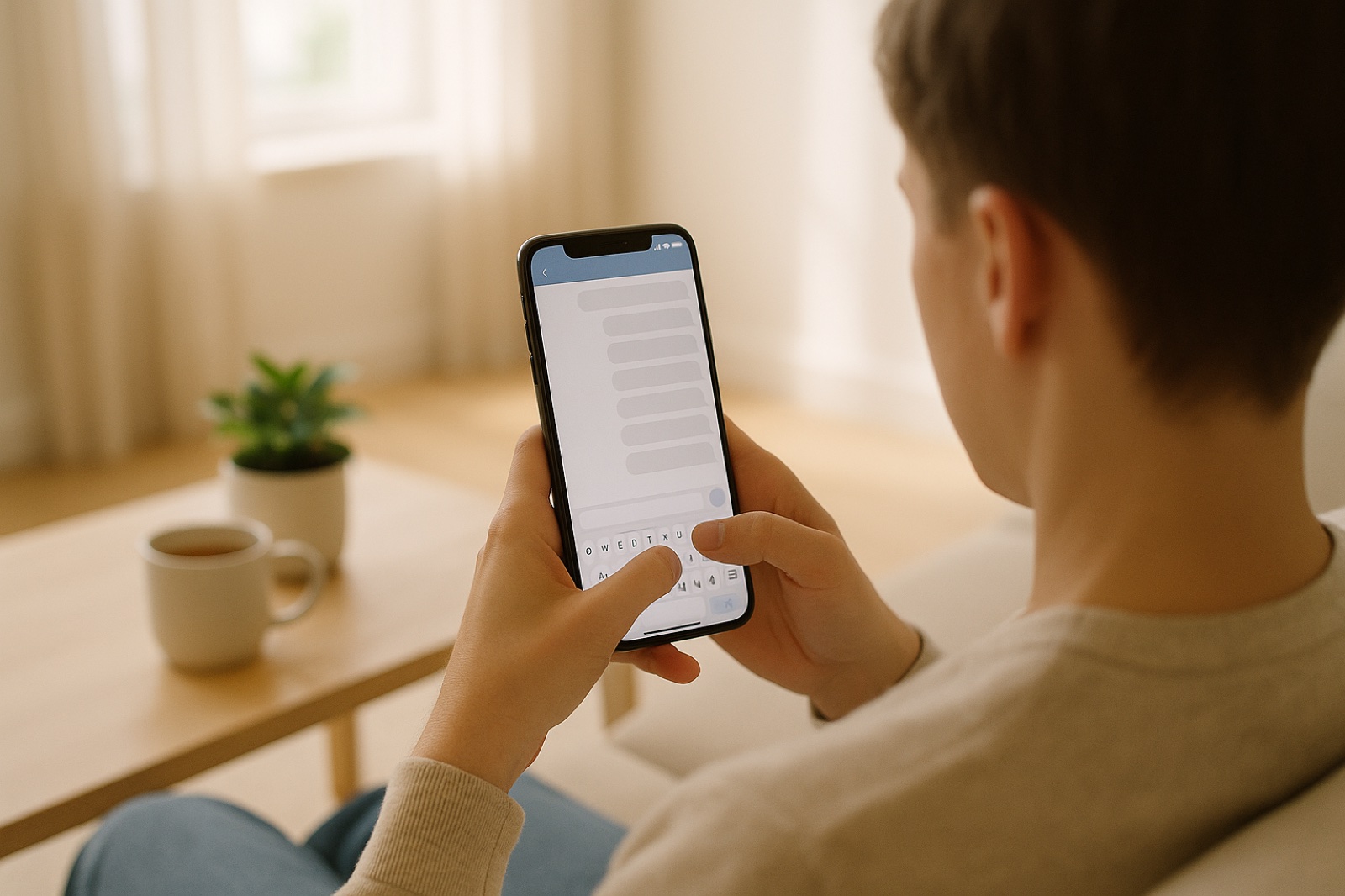
You sent the message at lunch. Then a second one, because the first one sounded a bit cold. Then a funny picture, so the second one would not look needy.
It is evening now. Two grey ticks. No reply.
And you are doing the maths again. When did they last start a conversation with you? Was it you who suggested the last three meet-ups? Were they quiet on Saturday, or just tired? You are asking yourself the question you would never ask out loud: am I being too clingy?
Nobody has said so. That is almost the worst part. If someone told you, at least you would know.
Am I Being Too Clingy? What Is Really Going On
Most advice on this starts with you. You are insecure. You need to love yourself more. Fix your attachment style. Some of that may be true, and some of it is worth a look.
But it misses something plain. Being clingy is almost never about how much you care. Caring a lot is not a flaw. It is not even really about how often you talk. Some friends talk every day for twenty years and neither one ever feels crowded.
It is about what the contact leaves room for.
When you reach out before the other person has had a chance to miss you, something small shifts on their side. Hearing from you stops being a thing they chose. It becomes a thing that happens to them. They still like you. Nothing bad has happened. But a welcome has quietly turned into a job — something to answer, keep up with, get back to.
And here is why nobody tells you. There is no kind way to say “I would like a little less of you.” It sounds cruel even when it is not. So people do not say it. They reply a bit later. The replies get a bit shorter. They start with “Sorry, crazy week.”
That is where the trap closes. You notice the quiet, and quiet feels like danger. So you reach out a bit more, just to check everything is fine. Which gives them a little less room. Which makes them a little quieter. Neither of you is doing anything wrong, and the gap keeps growing anyway.
So the honest signs are not about how you feel. They are about the pattern. You start most of the conversations and most of the plans. Their replies have got slower or shorter while yours stayed the same. They apologise for being slow more than they used to. And when an answer finally comes, what you feel is relief, not warmth — as if you just passed a test. Any one of those can simply mean a busy life. Several together, for a few weeks, usually mean the rhythm is off.
One thing worth saying clearly: “too clingy” is not the same as “too much.” If you have been told your whole life that you are too much — too loud, too emotional, too needy — that is a different wound, and it often says more about the people who said it. Feeling like a burden is usually a counting error, not a fact. This is smaller and far easier to fix. It is not about who you are. It is about timing.
If the not-knowing is the part that keeps you awake — lying in the dark, rereading the chat, typing the next message and deleting it — the free guide below is about exactly that: why the mind will not slow down at night, and the order of small steps that helps it settle.
Why a Little Distance Keeps You Wanted
Now turn it over.
We tend to think of space as the opposite of closeness. Stepping back feels like the first step of leaving. So the more you care about someone, the harder it is to give them room.
But space is not what closeness loses. It is what closeness is made of. It is the gap where someone gets to think “I wonder how they are doing” — and then act on it. Without that gap, they never get to reach for you. And being reached for is the very thing you were hungry for when you sent that third message.
Think about any good thing you love. A favourite song on repeat. A dish you ate every day for a month. You did not go off it because it got worse. You went off it because there was no time left to want it. The thing stayed good. The rhythm spoiled it.
People work the same way, only more so, because people are not songs. They have their own lives and their own tired evenings, and they need to be able to come back to you by choice.
That idea is a lot older than texting. It turns up in Proverbs, of all places, in one blunt line: “Withdraw thy foot from thy neighbour’s house; lest he be weary of thee, and so hate thee.” Two details in the original Hebrew make it gentler than it sounds. The word translated “withdraw” literally means “make rare,” and it comes from a root that also means precious. And “be weary of thee” is really “have his fill of you” — the same verb used in the line just before it, which is about honey: when you find some, eat what you need, not so much that it makes you sick. The friendship is the honey. Nobody in that picture is bad. There is simply such a thing as too much of a good thing, and the kindest person in the room is the one who notices first. It does not need a religious framework to be true. It is just good sense with very old roots.
Seen this way, stepping back is not rejection, and it is not playing hard to get. It is making yourself easy to miss. You are not pulling away from someone. You are leaving them room to come towards you.
How to Stop Being Clingy Without Pulling Away
None of this costs money, needs a therapist, or takes a free evening. You can start the first one in the next five minutes.
Count, do not guess. Open your chat with the person and scroll back a few weeks. Who started each conversation? Who suggested each plan? Do not use it as evidence against yourself. Use it to swap a fog of worry for something you can actually see. If it is close to even, you can put the worry down. If it is mostly you, you have found the one thing to change.
Send one, then wait. Give yourself a simple rule: one message, then nothing more until they reply. No follow-up to soften the first one. No funny picture to cover the silence. It will feel awful for the first few days, because silence feels like an answer. It is not an answer. It is room. And the message they send into that room will mean more to you than ten you sent them.
Leave while it is still good. End the call while you are both still laughing, not when the talk has run dry. Head home before the last cup of tea. It feels backwards, because when something is good you want more of it. But the psychologist Daniel Kahneman described what he called the peak-end rule: people judge an experience mostly by its best moment and how it ended, and pay surprisingly little attention to how long it went on. Leaving on a high note makes the next time something to look forward to, not something to get through.
Give the feeling somewhere else to go. Very often, the urge to send one more message is not really about that person. It is loneliness, or boredom, or worry, looking for the fastest relief it can find — and one person was never meant to carry all of that. So when the urge comes, give it a different job. Take a ten-minute walk. Write the message in your notes instead of the chat. Say hello to someone you have not spoken to in a while. If you notice the same pull in almost every close relationship, not just this one, our free attachment style quiz can help you see where it comes from. It takes a few minutes, and it is kinder than guessing.
Ask once, then believe the answer. If you are close enough, just say it: “Tell me if I am ever a bit much. I would honestly rather know.” That one sentence hands the other person a permission they would never have taken on their own. Then comes the hard part — believe what they tell you. Asking again next week, and the week after, turns a kind question into one more thing they have to manage. Ask once. Take the answer as true.
A Question to Carry Into This Week
Here is something to hold onto the next time your thumb is over the send button.
When did this person last get the chance to miss you?
Not to reply to you. Not to keep up with you. To actually wonder how you are, and do something about it. If you cannot remember, that is not proof they do not care. It may just mean they have never had the room.
And if you give them that room and they never step into it? That hurts, and it is still worth knowing. Always being the one who reaches out is its own problem, with its own answer. But often that is not how it goes. Often the people who love you do come looking. They just need a moment when you are not already there.
Your Turn
I would love to hear from anyone who has been on either side of this — the one who learned to step back, or the one who needed a little room — and what actually helped the friendship make it through.
Questions People Ask
How do I know if I am being too clingy?
Look at the pattern rather than the feeling. Signs that closeness has tipped into clinginess include starting most of the conversations and plans, the other person’s replies getting slower or shorter while your own messages stay just as frequent, more apologies for being slow to answer, and a sense of relief rather than warmth when a reply finally arrives. Any one of these can simply mean the other person is busy. Several together over a few weeks usually mean the rhythm of contact is off, which is far easier to fix than a flaw in character.
Is texting someone every day too clingy?
Not by itself. Plenty of close friends and couples message every day for years without either person feeling crowded. Daily contact becomes clingy when it stops leaving the other person room to start things — when every conversation is opened by the same person, when every silence gets filled with follow-up messages, or when a slow reply sets off worry and more texts. The useful question is less “how often do we talk?” and more “does the other person still get to reach out first sometimes?”
How do I stop being clingy without pulling away completely?
Aim to be easier to miss rather than harder to reach. Send one message and wait for a reply before sending another. End calls and visits while they are still enjoyable instead of letting them run dry. When the urge to reach out comes from loneliness or worry, give it another outlet first, such as a short walk or writing the message somewhere private. None of this means going cold. It means leaving a gap the other person can step into, which tends to make contact feel chosen rather than owed.
Why do I get more clingy when someone starts replying less?
Silence tends to feel like a warning, so the natural response is to reach out more to check that everything is fine. The trouble is that more messages give the other person less room, which often makes them quieter still. A loop forms in which neither person is doing anything wrong but the distance keeps growing. Breaking that loop usually means doing the opposite of what the worry asks for: sending less, waiting longer, and treating a slow reply as a busy day rather than a verdict on the friendship.
Is being clingy the same as having an anxious attachment style?
Not exactly. Attachment style describes a person’s general pattern of handling closeness and distance across relationships, and an anxious pattern often shows up as clinging, seeking reassurance and fearing being left. But clingy behaviour can also come from a particular season, such as a move, a loss or a lonely stretch, in someone who is usually secure. If the same pull appears in nearly every close relationship, the pattern is worth exploring. If it appeared recently with one person, circumstances may be the bigger factor.
Share This
If any of this landed, here it is in a sentence or two:
Being clingy isn’t about how much you care. It’s about whether the other person ever gets the chance to miss you.
Send one message, then wait. Silence isn’t an answer. It’s room. And the message they send into that room will mean more than the ten you sent them.
There’s no kind way to say “I’d like a little less of you,” so nobody says it. They just reply a bit later. And we read the quiet as danger and reach out more. The fix is the opposite of what the worry wants: leave room, and let them come towards you.